
The Lazy Girl’s Guide to Frugal Meal Prep
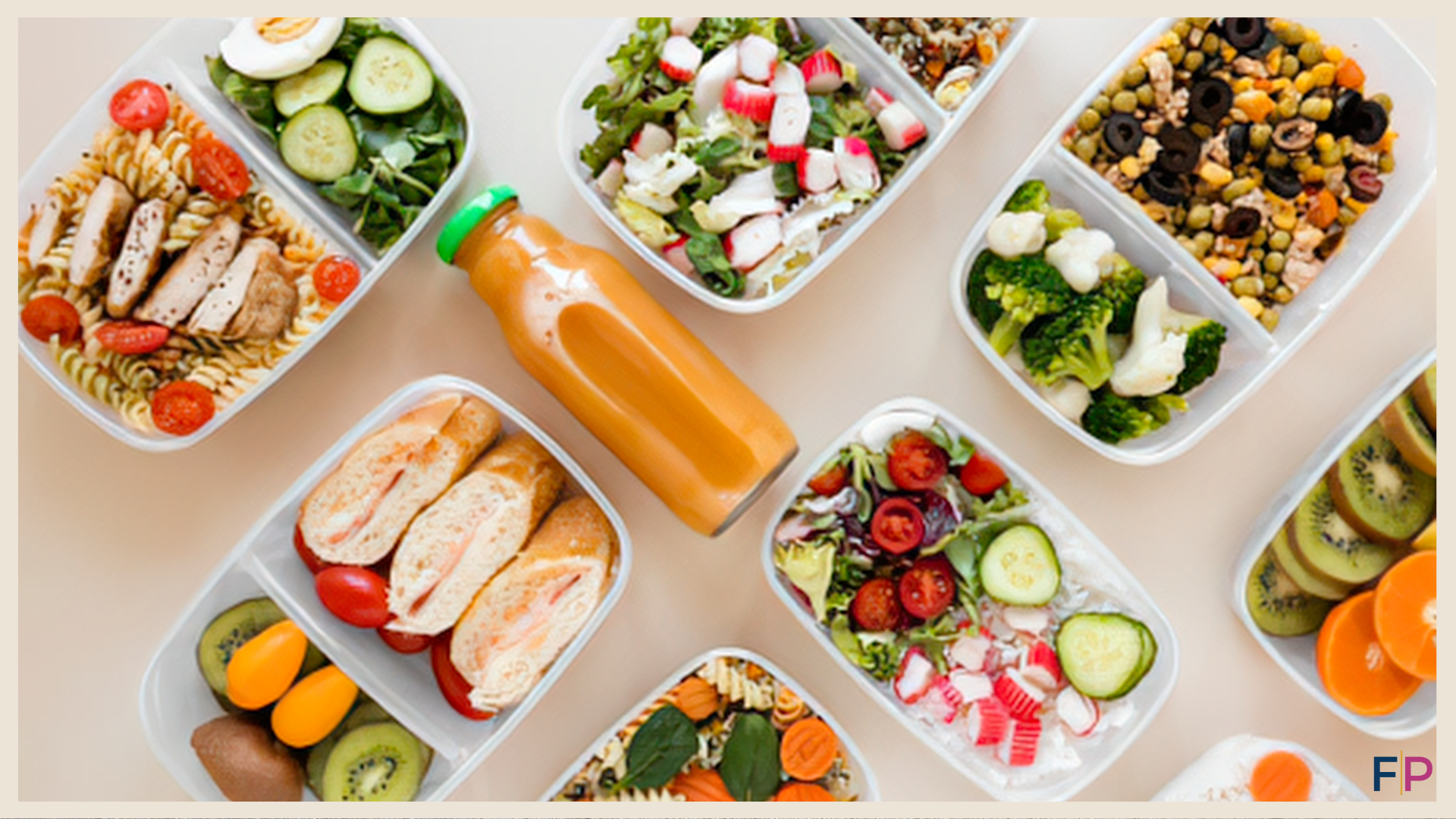
Meal prep has a bit of an image problem. Scroll through social media and you’ll see pristine refrigerators lined with matching glass containers, color-coded by day, filled with perfectly portioned meals that somehow look like they came from a restaurant. It’s beautiful. It’s also completely exhausting to think about recreating.
Here’s the truth: you don’t need any of that to save real money on food. The kind of meal prep that actually works for most of us is quieter, messier, and about twenty times less photogenic. And it’s still 100% worth doing.
This guide is for the person who wants easier weeknight dinners and a lower grocery bill, but does not want to spend their entire Sunday in the kitchen. A little effort, done consistently, goes a long way.
Why Low-Effort Meal Prep Still Works
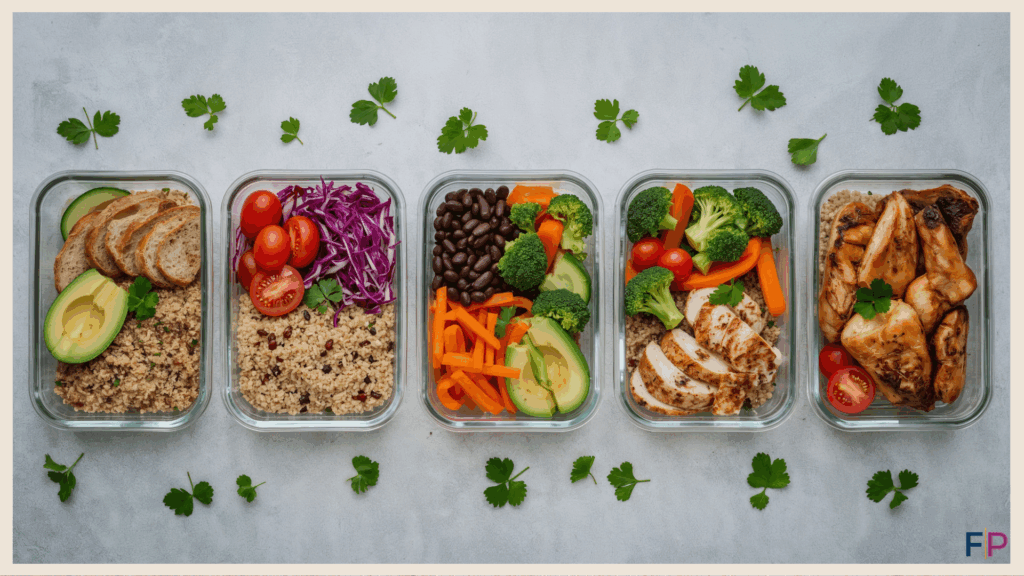
The whole point of meal prep is to make your future self’s life easier. That doesn’t require cooking twelve different meals or blanching vegetables in batches of six. It just requires doing a few things now so you’re not staring into the fridge at 6 p.m. wondering what on earth to make.
Low-effort prep reduces the number of decisions you have to make when you’re tired and hungry. And when decision fatigue sets in, that’s usually when takeout happens. A little prep removes that moment of panic and keeps the money in your pocket.
It also cuts down on food waste in a big way. When ingredients are already prepped and visible, you’re far more likely to actually use them before they go bad. That half a head of cabbage is a lot more appealing when it’s already shredded and ready to throw into something.
Start with What’s Already in Your House
Before you plan a single meal or write a single item on your grocery list, take a look at what you already have. Check the pantry, the freezer, and the back of the fridge. You might be surprised what’s in there waiting to become dinner.
Shopping your pantry first is one of the most effective ways to cut your grocery bill without any extra effort. When you plan meals around ingredients you already own, you avoid duplicates, use up what would otherwise go to waste, and spend significantly less at the store.
Keep Your Menu Small
One of the biggest mistakes people make with meal prep is trying to plan too much. A week’s worth of different breakfasts, lunches, and dinners sounds great on paper, but the shopping list becomes overwhelming and the prep session turns into a multi-hour production.
A much more manageable approach is picking two or three core recipes for the week and building around those. Fewer recipes mean a simpler grocery list, less time in the kitchen, and less chance you’ll abandon the whole plan before Wednesday. Simple is sustainable.
Think of it as creating a loose framework rather than a rigid schedule. You might plan a pot of soup, a batch of rice, and a big tray of roasted vegetables. Those three things can stretch across multiple meals without any single one being complicated to make.
The Building Blocks of Lazy Meal Prep
Here’s a shift in thinking that makes frugal meal prep a lot more doable: prep ingredients, not finished meals. You don’t have to assemble complete, ready-to-eat dishes in advance. You just need a few components ready to go so dinner comes together in minutes instead of an hour.
Cook Your Grains in Bulk
Grains are one of the easiest things to batch cook and one of the most versatile. A big pot of rice, quinoa, or pasta takes about the same amount of time and effort as a small one, so you might as well make more than you need.
Cooked grains store well in the fridge for several days and can be the base of entirely different meals throughout the week. Rice can become a stir-fry one night and fried rice the next. Pasta works as a side dish on Tuesday and a cold pasta salad for lunch on Thursday. You did the work once and got two meals out of it.
Double Your Protein
When you’re already cooking chicken, ground beef, or another protein, doubling the batch costs almost no extra effort. An extra chicken breast or a second portion of seasoned ground meat can go into a completely different meal later in the week.
That cooked chicken you made for Tuesday night’s dinner? It can go into tacos, soups, quesadillas, or grain bowls for the rest of the week. Stretching one cooking session into multiple meals is one of the easiest ways to save both time and money.
Chop Once, Use All Week
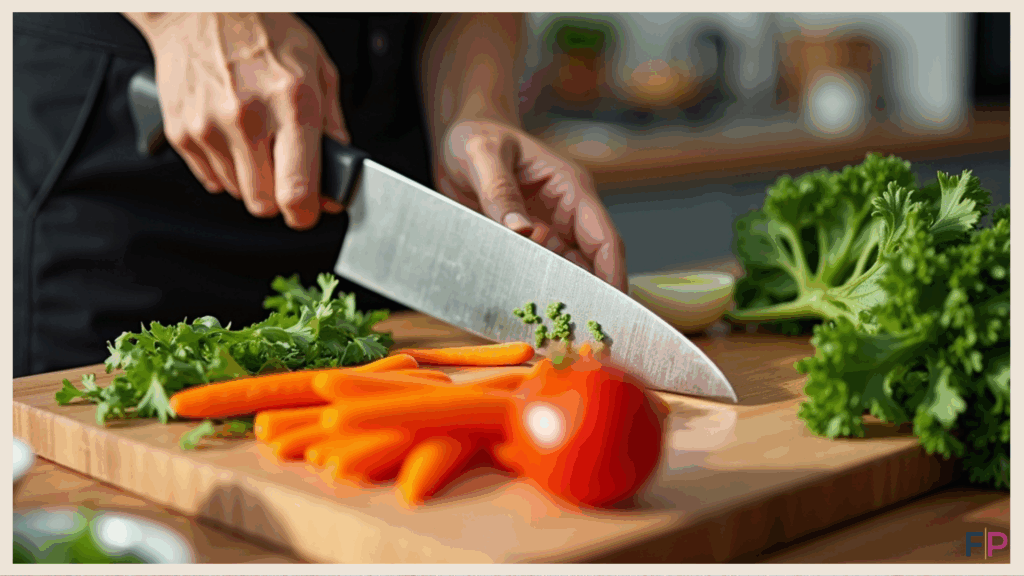
Chopping vegetables is genuinely one of the more tedious parts of cooking. Do it once at the beginning of the week and you’ll be grateful every single day after that.
Spend fifteen or twenty minutes chopping onions, peppers, celery, carrots, or whatever vegetables you use most often. Store them in containers in the fridge and they’re ready to go whenever you need them. This one habit alone can make the difference between actually cooking dinner and giving up and ordering pizza.
Leftovers Are the Real MVP
Leftovers get a bad reputation, but they are genuinely one of the most useful frugal tools in your kitchen. When you cook with leftovers in mind, you’re essentially doing meal prep without calling it that.
The key is planning to use them rather than hoping you will. When you make a pot of chili or a pan of roasted chicken, make enough for two meals on purpose. Eat half now and put the rest in the fridge with the intention of actually eating it in the next day or two.
Turning Leftovers Into Something New
You don’t have to eat the exact same meal twice if that sounds unappealing. Last night’s roasted vegetables can become a frittata this morning. Leftover rice and beans can become stuffed peppers tomorrow. A few small shifts turn the same ingredients into something that feels fresh.
This approach also cuts down on food waste significantly. Instead of forgetting about leftovers until they’ve turned into a science experiment in the back of the fridge, you’re actively working them into your weekly plan from the start.
Freezer Meals for the Ultimate Lazy Prep
If you only try one thing from this guide, make it freezer meals. They are the single most effective tool for avoiding takeout on the nights when cooking feels completely impossible.
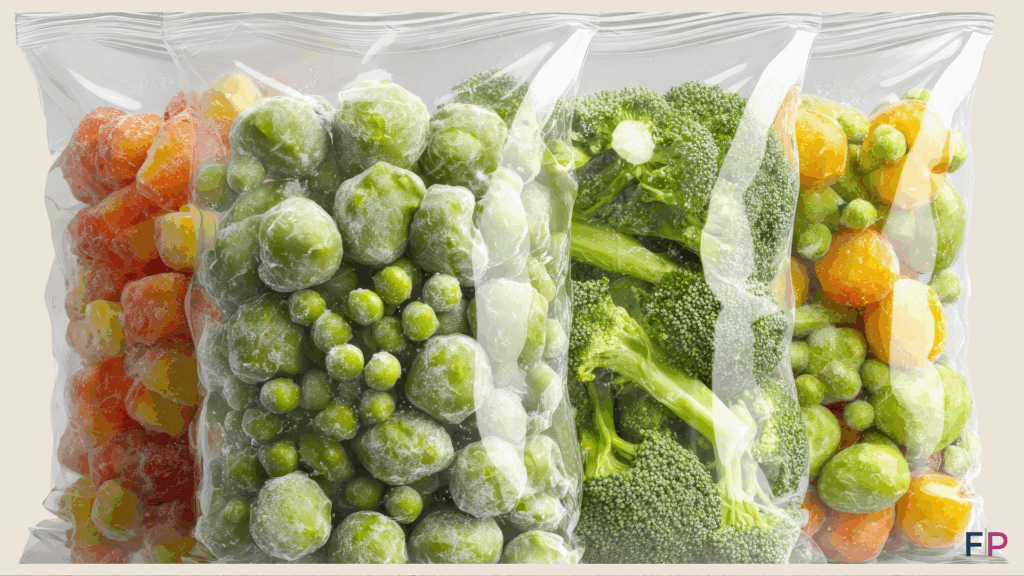
The beauty of freezer cooking is that you’re not adding extra work to your week. You’re just making a slightly larger batch of something you were already going to cook and putting half in the freezer. Soups, chilis, pasta sauces, and casseroles all freeze well and reheat easily.
Dump Bags Are a Game Changer
A dump bag is exactly what it sounds like: a zip-top freezer bag filled with ingredients you dump directly into a slow cooker or pot. Raw chicken, vegetables, broth, seasonings. Everything goes in raw, the bag goes in the freezer, and when you need it, you thaw it overnight and let your slow cooker do the work.
These bags take about five minutes to assemble and they can be a lifesaver on a busy weeknight. There’s no complicated prep involved, and the result is a hot, home-cooked meal that cost a fraction of what takeout would have.
What Freezes Well
Not everything handles freezing equally, but plenty of inexpensive staples do beautifully:
- Soups and stews of almost any kind
- Chili and bean-based dishes
- Pasta sauce and meat sauce
- Roasted vegetables (great for adding to other dishes)
- Cooked ground meat (seasoned or plain)
- Casseroles and baked pasta dishes
Having two or three of these in your freezer at any given time is like having a built-in safety net. When the week goes sideways, and it will, dinner is still covered.
A Realistic Lazy Prep Session
You don’t need to block off three hours on Sunday. A more realistic session looks like this: pick one or two things to cook, one or two things to chop, and call it done. The whole thing can take thirty to forty-five minutes if you keep it focused.
A simple example of what one short prep session might include:
- Cook a big pot of rice or grains
- Double a batch of ground beef or chicken
- Chop onions, peppers, and one other vegetable you use often
- Assemble one dump bag for the freezer
- Move any leftovers from the past couple of days into clearly labeled containers
That’s it. Five things, less than an hour, and your week is already easier. You didn’t cook twelve meals. You just made sure dinner isn’t starting from zero every single night.
Don’t Try to Do Everything
The fastest way to burn out on meal prep is to make it too complicated. If you try to prep every meal for every day and follow a rigid plan, it becomes a project instead of a habit.
Start with one or two of these strategies and add more as they become routine. Maybe you start by just doubling your protein every time you cook. That’s enough. That one habit will save you time and money without feeling like work.
The Payoff Goes Beyond Convenience
The time savings are real, but the financial impact of consistent meal prep is where things really add up. When dinner is halfway done before you even start cooking, you’re far less likely to spend money on takeout or convenience foods.
Food waste is also a significant hidden cost for most households. When you’re prepping ingredients and using them intentionally throughout the week, you’re buying less and throwing away less. Those savings are easy to underestimate until you start tracking them.
Planning meals around pantry staples, buying in bulk where it makes sense, and stretching ingredients across multiple meals all contribute to a lower grocery bill over time. None of these things require perfection. They just require a little consistency.
Final Thoughts on Frugal Meal Planning
If you’ve tried meal prep before and abandoned it, chances are the approach was too ambitious. The version that actually sticks is the one that fits into your real life, not the Pinterest version that requires a full day and a label maker.
Pick one thing to try this week. Maybe it’s cooking extra rice. Maybe it’s chopping your vegetables ahead of time. Maybe it’s throwing a dump bag together before you put the groceries away. One small habit, done consistently, will make more of a difference than an elaborate system you do once and never repeat.
The best frugal meal prep isn’t glamorous. It’s the kind you’ll actually do. A little planning, a short prep session, and a few smart shortcuts can save money, reduce waste, and make dinner feel a lot less chaotic by the end of the week.