
The Reverse Meal Planning Method That Changed How I Cook Forever
Most of us have been doing meal planning the same way for years. You open Pinterest, find a handful of recipes that look good, write up a grocery list, and head to the store. It feels organized. It feels productive. But by Thursday, you’ve still got half a rotisserie chicken, a wilting bunch of cilantro, and a can of chickpeas you bought two months ago sitting in the back of the pantry, completely untouched.
There’s a better way. It’s called reverse meal planning, and once you understand how it works, it’s hard to go back to the old approach. Instead of starting with recipes and then shopping for ingredients, you start with what you already have and build your meals from there.
This shift sounds simple, but it changes everything about how you approach dinnertime.
What Is Reverse Meal Planning?
Reverse meal planning is exactly what it sounds like: you flip the traditional process on its head. Instead of picking meals first and shopping second, you open your pantry, freezer, and fridge first. You take stock of what’s actually in there: the chicken thighs you bought on sale, the half box of pasta, the sweet potatoes that need to be used soon. Then you build your meals around those ingredients.
The shopping list comes last, and it’s short. You’re only buying what you need to fill in the gaps, not assembling every ingredient for every meal from scratch.
This is how a lot of frugal cooks think about dinner without ever putting a name to it. You look at what you have, you figure out what you can make, and you go from there. Reverse meal planning just gives that instinct a structure you can repeat every week.
Why the Traditional Method Costs You More
The problem with planning recipes first is that it treats your pantry like it doesn’t exist. You end up buying ingredients for a specific dish (a half-used jar of tahini, a specialty spice, a fresh herb) without accounting for what’s already in your kitchen. Over time, those partial ingredients pile up, expire, and get thrown away.
That’s money going straight into the trash. And most of us are doing it every single week without realizing it. The USDA estimates the average American household wastes somewhere between 30 and 40 percent of the food it buys, and recipe-first meal planning is a big reason why.
Reverse meal planning attacks that waste at the source. When you build meals around what you already own, you’re using food you already paid for instead of buying duplicates or reaching for something new before the old stuff is gone.
Why Reverse Meal Planning Works So Well
There are three things that make this method genuinely effective, and they build on each other in a way that the traditional approach just doesn’t.
It Saves Real Money
The savings from reverse meal planning aren’t theoretical. They show up in your grocery total every single week. When you use what’s already in your kitchen before buying anything new, you’re spending less because you need less. A shorter shopping list means a smaller bill, full stop.
It also protects you from what might be called “optimistic shopping,” which means buying ingredients for meals you plan to cook but realistically won’t. We’ve all done it. The shrimp you were going to make into tacos on a Wednesday night that ended up being a cereal night instead. Reverse meal planning keeps your shopping grounded in reality, not best-case-scenario cooking intentions.
It Cuts Down on Food Waste
One of the quietest ways money leaves your household is through food you paid for but never ate. The produce that goes soft before you use it. The leftovers that get pushed to the back of the fridge and forgotten. The freezer items that have been there so long you’re not sure what they are anymore.
Reverse meal planning forces you to look at all of it before you plan a single meal. That awareness alone is powerful. When you know what’s in your kitchen, you can build meals that use it, starting with the older items and perishables that need to go first.
It Makes Dinner Decisions Easier
Decision fatigue is real, and “what’s for dinner?” is one of the most exhausting questions of the day. When you’re staring at an endless scroll of recipes, the options feel overwhelming. But when you start with what you already have, the options narrow naturally, and that’s actually a relief.
Instead of choosing from hundreds of possibilities, you’re choosing from a realistic, manageable list of what you can make tonight with what’s in front of you. That constraint is a feature, not a bug. It makes dinnertime less stressful and more predictable.
How to Do Reverse Meal Planning Step by Step
The process is straightforward, and it gets faster the more you practice it. Here’s how to make it work in your own kitchen.
Step 1: Take a Real Inventory
Before you plan a single meal, you need to know what you’re working with. That means actually looking at everything in your pantry, fridge, and freezer, not just glancing.
Pull things out, check expiration dates, and make a simple list. You don’t need a fancy app or a spreadsheet (though those can help if you like them). A piece of paper or a notes app on your phone works just fine. The goal is a clear picture of what you actually have, not what you think you have.
This step tends to turn up surprises. Most kitchens are hiding ingredients that got pushed to the back: canned goods, frozen proteins, half-used grains that are perfectly good and ready to be used.
Step 2: Flag What Needs to Go First
Once you’ve got your inventory, look for the items that need to be used soon. This is where perishables, fresh produce, and thawed proteins take priority. If you’ve got ground beef that was moved from the freezer to the fridge a couple of days ago, that’s the anchor for one of this week’s meals.
A simple trick that works well here is keeping a designated “Use This First” bin on a shelf in your pantry or a visible spot in your fridge. Anything nearing its end date goes in there, and that’s the first place you look when planning. Out of sight really does mean out of mind, so keeping those items front and center makes a big difference.
Higher-cost items like meat and fish also deserve priority, since they represent more of your grocery budget and are typically more time-sensitive.
Step 3: Build Meals Around Shared Ingredients
This is where the creative part comes in. Look at your list and ask yourself which ingredients can pull double or triple duty across multiple meals this week.
A rotisserie chicken can become chicken tacos one night and a simple chicken soup the next. A bag of potatoes can be roasted as a side dish, turned into a frittata base, or used in a simple hash. When one ingredient shows up in two or three meals, you’re stretching your dollar significantly further and reducing what you need to buy.
This kind of thinking gets easier over time as you start to see your pantry staples as building blocks rather than single-use ingredients.
Step 4: Write a Short, Targeted Shopping List
Once you’ve figured out what meals you can build from your existing ingredients, make a list of only what’s missing. Not what sounds good at the store. Not what you might want to make eventually. Just the specific gaps that stand between you and the meals you’ve planned.
This is the step that keeps your grocery budget in check. Reverse meal planning isn’t about never buying anything. It’s about buying only what you actually need to fill in the blanks. A shorter, more intentional list is almost always a cheaper one.
Practical Tips to Make It a Habit

Like any system, reverse meal planning works best when you build a few simple habits around it. These don’t need to be complicated, just consistent.
Rotate your stock using FIFO (first in, first out). When you bring new groceries home, move the older items to the front of the shelf and put the new stuff behind them. This keeps older items visible and means you’ll naturally reach for them first.
Schedule a weekly “Use It Up” meal. Pick one night (Friday works well for a lot of households) to cook whatever needs to go. This might be a soup with odds and ends of vegetables, a grain bowl with whatever protein you have left, or breakfast for dinner using eggs, cheese, and that half-wilted bell pepper. These meals are often surprisingly good, and they do a lot of heavy lifting for your grocery budget.
Keep your pantry staples stocked, not stuffed. Reverse meal planning works best when you have a core set of flexible ingredients on hand: rice, pasta, canned tomatoes, beans, broth, eggs, olive oil. These are the building blocks that make almost anything possible. The goal isn’t an overflowing pantry; it’s a well-organized one with ingredients you actually use.
Consider a no-buy week once a month. A no-buy week is exactly what it sounds like: you skip the grocery store entirely and cook only from what’s already in your kitchen. It can feel like a challenge at first, but it’s one of the most effective ways to clear out forgotten items and reset your pantry. The savings are immediate and significant.
Making It Work for Your Real Life
Reverse meal planning isn’t an all-or-nothing approach. You don’t have to overhaul your entire cooking routine to see results. You can start small and build the habit gradually.
Start With One Pantry Audit
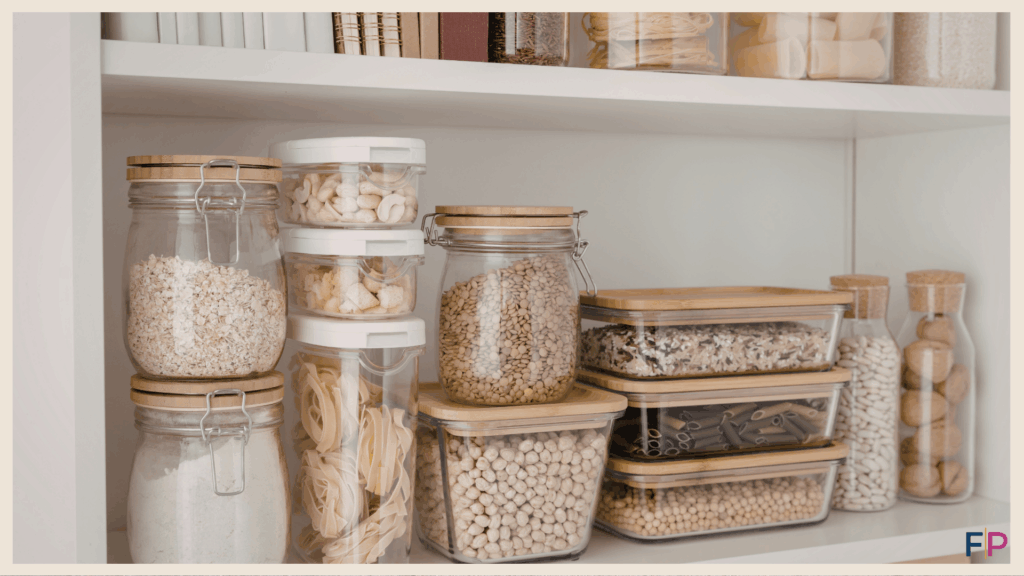
If the idea of taking a full inventory feels overwhelming, start with just your pantry this week. Spend fifteen minutes pulling things out, grouping similar items together, and checking what’s there. Then plan just two or three meals from what you find before adding anything to your shopping list. That’s enough to see the method in action without committing to a complete system overhaul.
Once you see how much you already have to work with, it gets easier to trust the process.
Give Yourself Permission to Keep It Simple
Reverse meal planning doesn’t require you to be a creative cook or to make elaborate dishes from random ingredients. Simple meals are often the best ones. A can of chickpeas, some olive oil, and a handful of spices makes a perfectly good dinner. Eggs and whatever vegetables need to go can become a solid frittata in twenty minutes.
The goal isn’t culinary creativity. It’s using what you have so it doesn’t go to waste. Keep it practical, and the savings will follow.
Be Flexible with Your Meal Plan
One of the things that makes this method so sustainable is that it naturally builds in flexibility. Because you’re working with what’s on hand rather than committing to specific recipes, it’s easier to adjust when life doesn’t go as planned. Skipped a night of cooking? Great, that ingredient is still there for tomorrow. Got an unexpected dinner invitation? Your meal plan adjusts without wasting anything.
That flexibility is one of the reasons reverse meal planning tends to stick where traditional meal planning sometimes doesn’t. It works with real life, not against it.
The Bottom Line
Reverse meal planning is one of the simplest, most effective shifts you can make in your kitchen, and it doesn’t cost a thing to get started. You open your pantry, freezer, and fridge first. You figure out what needs to be used. You build your meals from there. Then you shop only for what’s missing.
The result is less food waste, lower grocery bills, and fewer stressed-out “what’s for dinner?” moments each week. That’s a real return on a very small investment of time.
Have you tried planning meals around what you already have instead of shopping first? What’s your biggest challenge when it comes to using up pantry items before they expire?