

Frugal Weekend Getaways Within Two Hours of Home
You don’t need to fly somewhere or book a week off work to feel like you’ve had a real break. Sometimes the most refreshing trips are the ones that happen just down the road, with a short drive, a simple plan, and a mindset shift that says this weekend counts. Short getaways within two hours of home can give you everything a big vacation promises: rest, a change of scenery, and memories worth keeping, without the price tag that follows you home on a credit card statement.
If you’ve been putting off a real break because travel feels too expensive right now, this one’s for you. We’re going to walk through the best types of budget-friendly getaways to look for close to home, how to find hidden gems you might be overlooking, and exactly how to keep costs low on lodging, food, and activities.
Why Short Trips Can Feel Just as Refreshing as Long Vacations

There’s a common belief that a vacation only “counts” if it involves a flight, a hotel with a pool, and at least five nights away. That’s not true, and your budget will thank you for letting that idea go.
Research consistently backs up what a lot of us already sense: it’s the novelty and the break from routine that make us feel recharged, not the distance traveled. Stepping outside your everyday environment, even briefly, gives your brain a chance to reset. A weekend in a quiet town two hours away can leave you feeling more rested than a stressful, overpacked trip across the country.
The Real Cost of Staying Close
Short-distance trips also cut the hidden costs that pile up on longer vacations. No flights means no baggage fees, no airport parking, and no travel day that eats up two of your precious days off. When you’re only two hours from home, you also have a safety net: you can pack lighter, forget things without disaster, and leave when you’re actually ready rather than around a flight schedule.
The budget wins are real. A two-night stay at a small inn, a few good meals, and some low-cost local activities will cost a fraction of what a bigger trip runs, and you’ll still come home feeling like you went somewhere.
The Best Types of Budget-Friendly Getaways Close to Home
Not all nearby trips are created equal when it comes to your wallet. Some getaway styles naturally lend themselves to lower spending, and knowing which ones to look for makes planning a lot easier.
Countryside Breaks
Quiet countryside trips are one of the most affordable getaway types available, and they’re deeply underrated. Think small farms, woodland trails, scenic drives through rolling land, and the kind of little towns where a good coffee shop and a bakery count as the main attractions. The pace is slower, and that’s exactly the point.
The beauty of a countryside break is that the landscape itself is the entertainment. Walking trails are free. Farm stands are cheap. Sitting on a porch with a book costs nothing. If you can find a small rental cottage or cabin with a kitchen, you can keep food costs low by cooking most of your own meals and only going out for one or two treats.
Coastal Mini-Breaks

A beach town within driving distance is one of the classic budget getaways for good reason. The beach itself is free. So is a walk along a boardwalk, a picnic at a scenic overlook, or watching the sun go down over the water. Coastal towns often have a mix of price points, so if you’re strategic about where you stay and eat, you can stretch a small budget surprisingly far.
Look for smaller coastal towns rather than the big resort destinations. The lesser-known spots tend to have lower lodging prices, fewer crowds, and a more relaxed vibe that actually makes for a better weekend away.
Small-Town History and Charm
Market towns, historic districts, and heritage villages are a goldmine for budget travelers. These places tend to have free walking tours (or self-guided ones you can look up online), local museums with low or no admission fees, and independent restaurants where a real meal won’t cost you a fortune.
Small towns also have character that big tourist cities often lack. You’re more likely to stumble on a farmers market, a quirky local shop, or a scenic town square that feels genuinely worth the drive. The key is to go in without an overloaded agenda and let the place surprise you.
Nature Escapes: State Parks and Forests
If there’s one budget travel option that delivers the most value for the lowest cost, it’s a trip built around a state or national park. Entry fees are modest, and once you’re in, you have access to hiking trails, lakes, scenic overlooks, wildlife, and the kind of quiet that’s genuinely hard to find anywhere else.
Nature-focused trips also naturally discourage overspending because there isn’t much to buy. You’re there for the experience of being outside, not shopping or restaurant-hopping. Pack a solid cooler, bring good shoes, and you’ve got the ingredients for a genuinely restorative weekend on a tight budget.
Activity-Anchored Day Trips
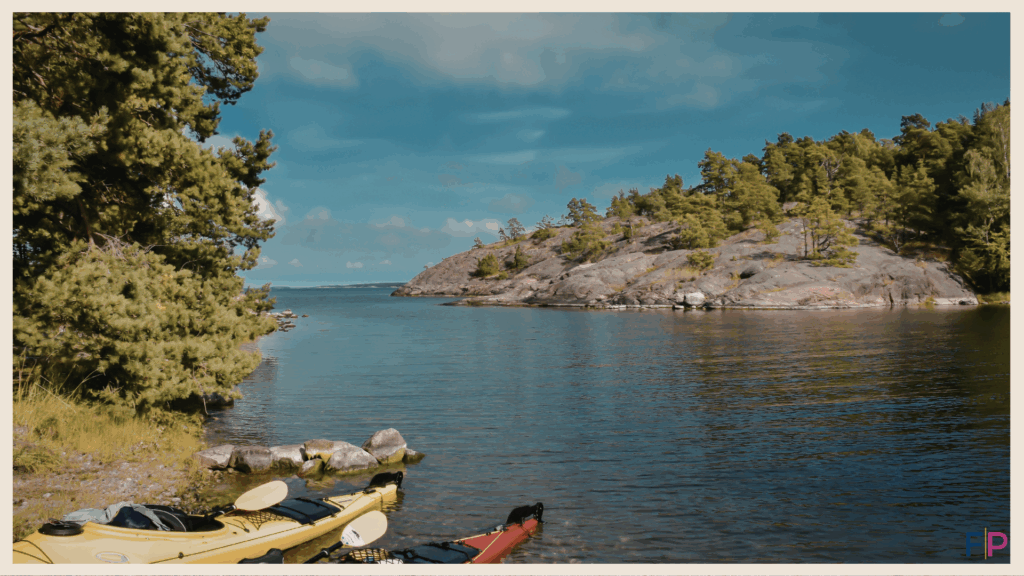
If you’d rather have a little more energy in your trip, consider planning a weekend around one main paid activity and filling the rest of the time with free exploring. A kayak rental, a guided hike, a cooking class, or a visit to a local winery or brewery can serve as the centerpiece of your weekend, with everything else built around it at low or no cost.
This approach works well because it gives the trip a sense of occasion without requiring you to spend money on every single activity. One memorable experience, some good local food, and plenty of wandering tends to add up to a really satisfying weekend.
How to Find Hidden Gems Near Home
The best nearby destinations are often hiding in plain sight. Most people overlook them because they’re not the first result in a Google search or the place everyone talks about at work.
Think Smaller and Less Familiar
If you have a well-known vacation town two hours away, there’s almost certainly a smaller, quieter version of it thirty minutes further down the road, at half the price. Regional tourism boards and state travel websites often publish guides to lesser-known areas, and those are worth browsing when you’re in planning mode.
Ask around, too. Friends, coworkers, and family who grew up in your region often know about spots that never make the travel blogs. A recommendation from someone who’s actually been there is worth ten algorithm-generated lists.
Types of Hidden Gems Worth Seeking Out
Rather than listing specific destinations (since every reader’s home base is different), here are the kinds of places that consistently offer good value and a genuine change of pace:
- Small inland towns with a historic main street, a local diner, and maybe a farmers market on Saturday mornings
- Regional nature preserves or state forests that don’t have national park name recognition but offer the same kind of trails and scenery
- Coastal or lakeside towns that sit just outside the popular resort corridor
- Artist communities or working farms that offer tours, markets, or simple lodging
- Scenic drives with stopping points along the way, where the journey itself is the destination
The goal is to keep your eyes open to what’s already around you. A two-hour radius covers a lot of ground, and most people haven’t explored even a fraction of it.
How to Save on Lodging, Food, and Activities
Getting the destination right is only half the equation. The other half is keeping your actual spending in check once you’re there. These are the areas where budget trips can go sideways fast if you don’t have a loose plan going in.
Lodging: The Biggest Budget Lever
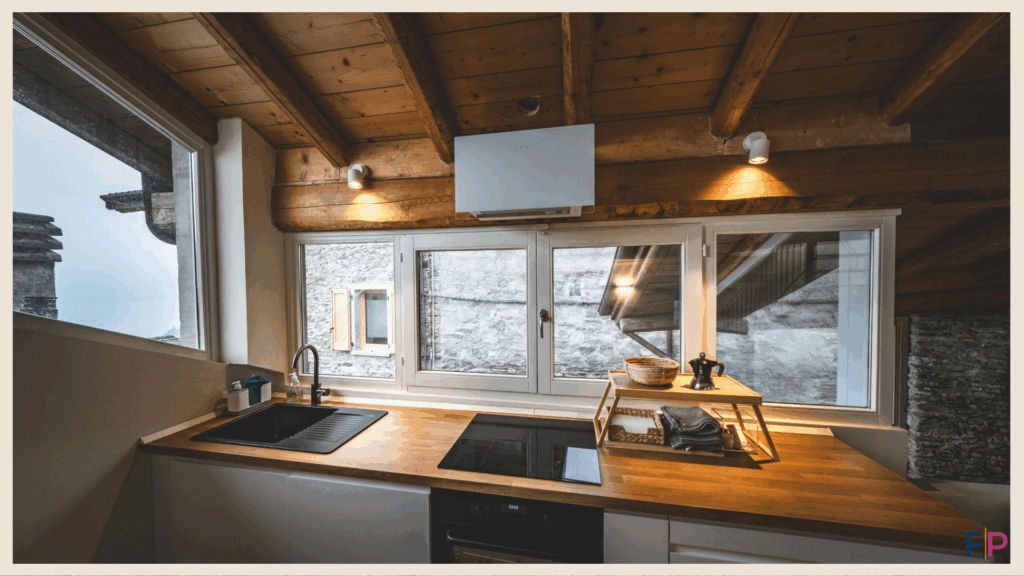
Where you sleep is typically the biggest line item on any trip. For a two-hour getaway, you have more options than you might think.
Look for lodging with a kitchen or kitchenette. This single choice will save you more money than almost any other decision you make. When you can make your own breakfast and pack your own lunches, you’re only paying for one or two restaurant meals per day instead of three. Over a weekend, that adds up fast.
Consider off-peak timing. If your schedule is flexible, booking for a Thursday/Friday or Sunday/Monday instead of the classic Friday/Saturday night can meaningfully lower rates at many properties. Weeknight rates at inns, cabins, and vacation rentals are often 20 to 30 percent lower than weekend rates.
Look beyond hotels. Vacation rentals, small inns, bed and breakfasts, and campgrounds are all worth comparing. For two people, a private room at a B&B can sometimes come in cheaper than a hotel room and includes breakfast. For groups or families, a rental with a kitchen almost always beats a set of hotel rooms when you factor in food savings.
Book lesser-known towns. If the popular destination near you is booked up or overpriced, the next town over might have availability at much better rates. This applies especially to coastal and resort areas, where staying just outside the main tourist zone can save a significant amount.
Food: Eat Smart Without Eating Sad
Food is where a lot of well-intentioned budget trips fall apart, mostly because being on vacation feels like permission to spend freely. It doesn’t have to be that way.
Pack a small cooler with drinks, snacks, and ingredients for simple meals. Breakfast in a rental kitchen, sandwiches for lunch on a trail, and one good dinner out is a comfortable rhythm that keeps spending reasonable without feeling restrictive.
When you do eat out, do a little research beforehand. Local spots tend to be cheaper and more interesting than chain restaurants. Look for lunch menus, which are often the same food at lower prices than dinner service.
Activities: Free First, Paid When It’s Worth It
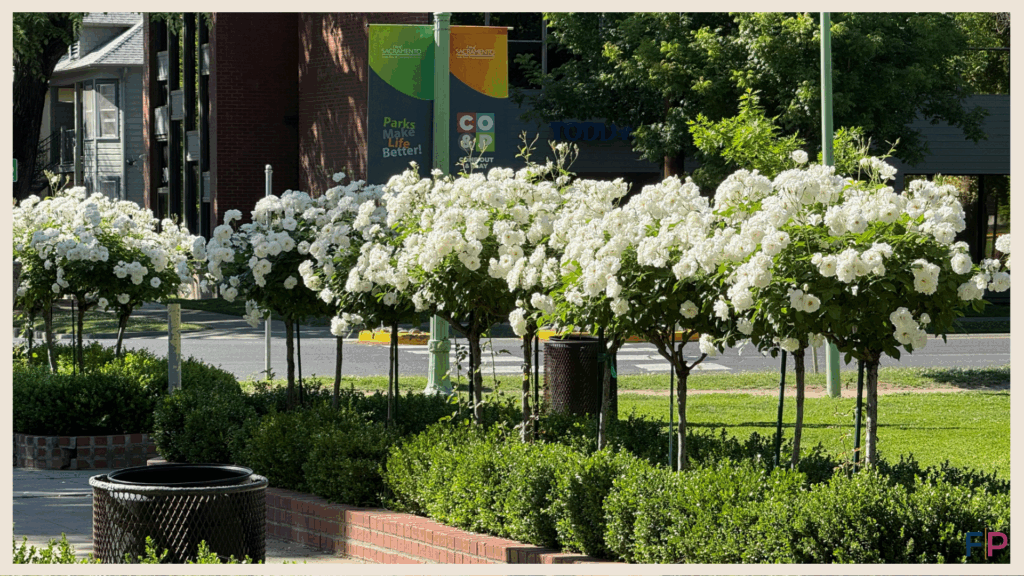
Build your activity list starting with the free stuff: trails, public beaches, parks, walking tours, town centers, public gardens, scenic viewpoints. Most destinations have more of this than people realize.
Then add one or two paid activities that genuinely excite you. A museum admission, a boat tour, a cooking class, a local event. Having a mix of free and paid activities makes the trip feel full without every hour costing money.
Local tourist boards, library websites, and community Facebook groups are underused resources for finding free events and low-cost things to do in an area. Check those before you assume there’s nothing affordable to do.
A Simple Weekend Planning Checklist
Planning a budget getaway doesn’t have to be complicated. Here’s a straightforward checklist to work through before you go:
- Pick your type of trip (nature, coastal, small town, countryside, activity-based)
- Set a total budget before you start booking anything, including gas, lodging, food, and activities
- Search off-peak dates first to find the best lodging rates
- Book lodging with a kitchen when possible
- Plan one or two “anchor” activities and leave the rest open
- Pack a cooler with snacks, drinks, and breakfast supplies
- Research free things to do in the area before you arrive
- Download offline maps so you’re not dependent on data coverage in rural areas
- Leave a flexible buffer in your budget for anything unexpected
That’s really all it takes to plan a weekend away that feels genuinely restful without blowing your budget. The simpler the plan, the better the trip tends to be.
Final Thoughts on Frugal Getaways
The best thing about a short getaway is that it lowers the stakes in the best possible way. There’s no major investment to justify, no high expectations to live up to, and no post-vacation regret when you check your bank account. It’s just a weekend somewhere a little different, doing a little less, and coming home feeling more like yourself.
Start small if you haven’t done this before. Pick a type of destination that sounds appealing, set a realistic budget, and block off a weekend on the calendar. The planning doesn’t need to be elaborate, and the trip doesn’t need to be Instagram-worthy to count as a real reset.
You deserve time away, and you don’t have to wait until you can afford a “real vacation” to take it.