
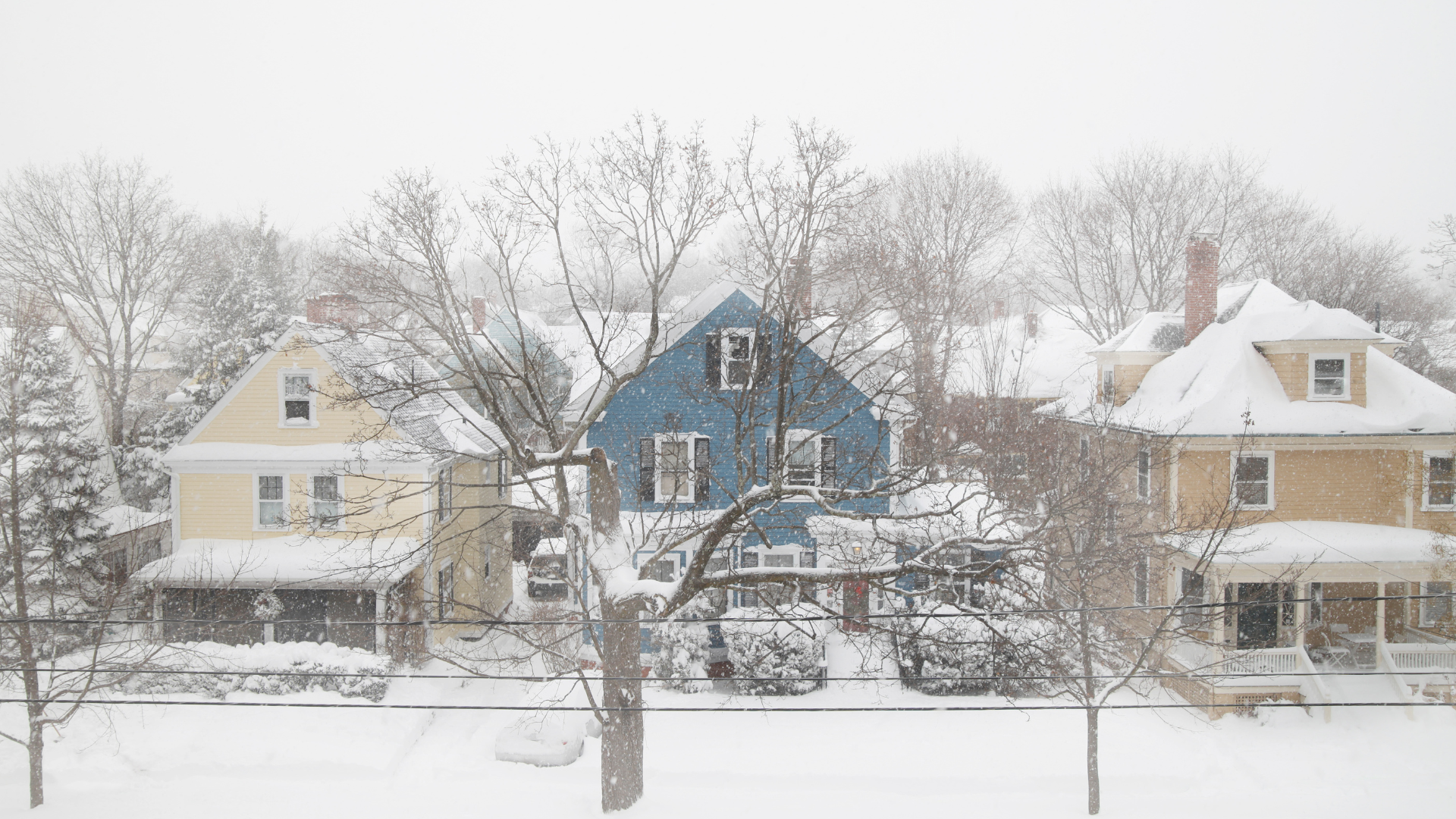
Cooking Like My Grandma During a Snowstorm: What I Learned About Frugal Food
When the weather forecast calls for a winter storm, most of us head to the grocery store in a panic. But what if you took a different approach—one that your grandmother would have recognized immediately? Old-fashioned cooking during a snowstorm isn’t just about nostalgia; it’s a masterclass in resourcefulness that can transform your budget and your relationship with food.
The skills that got families through the Great Depression and WWII rationing weren’t just survival tactics. They were time-tested strategies for stretching every dollar, minimizing waste, and creating satisfying meals from simple ingredients. When you’re snowed in and can’t get to the store, you’re essentially living out a mini version of those challenging times—and discovering that “making do” is surprisingly empowering.
The Foundation: What Grandma Always Had On Hand
Depression-era cooks didn’t have the luxury of running to the store for missing ingredients. They built their kitchens around cheap, filling staples that could carry a family through lean times: potatoes, cornmeal, oats, flour, dried beans, and rice. These humble ingredients formed the backbone of nearly every meal because they were inexpensive, shelf-stable, and incredibly versatile.
Your grandmother likely kept canned goods, basic spices, salt, and perhaps some canned meat like Spam in her pantry at all times. These weren’t fancy ingredients, but they were reliable. During WWII, when sugar, meat, fats, and canned goods were rationed, families learned to stretch what they had and get creative with substitutions.
The modern equivalent? A well-stocked pantry means you can weather a snowstorm without panic-buying or resorting to expensive delivery apps. When you have the basics, you always have options.
Lesson 1: Cook From Scratch as Your Default
During the Great Depression and WWII, eating out was rare because money was tight and prepared foods were expensive. Nearly everything was homemade—from bread and biscuits to soups and main dishes. This wasn’t a lifestyle choice; it was an economic necessity.

The average family baked their own bread, ground cornmeal, and made pasta from flour and eggs. While that might sound time-consuming, consider this: a snowstorm gives you the gift of time. You’re not commuting, running errands, or shuttling kids to activities.
When you’re snowed in, making a simple loaf of bread or a batch of biscuits from flour, yeast, and a few basic ingredients costs pennies compared to buying them. Plus, your home stays warm from the oven, and the aroma alone is worth the effort. That’s the kind of double-duty thinking that defined frugal cooking a generation ago.
Lesson 2: Turn the Oven On Once
Here’s a Depression-era trick that saves both money and energy: when you heat your oven, use it for multiple purposes. Grandma would bake bread, a main dish, and maybe a pan of cookies or granola all at the same time. Fuel was expensive, and wasting heat was unthinkable.
This strategy works beautifully during a snowstorm. If you’re baking a casserole for dinner, slide in a loaf of bread or some baked potatoes alongside it. Make a batch of muffins or granola while you’re at it. You’re heating the house, cooking multiple meals or components, and maximizing every penny you can save on your energy bill.
The bonus? Your kitchen becomes the coziest room in the house, exactly what people crave when they embrace the modern “grandmacore” aesthetic—a nostalgic blend of homemade comfort food and budget-conscious living.
Lesson 3: Build Meals Around Cheap, Filling Staples
During the Depression, families often ate fried potatoes three times a day because potatoes were cheap, filling, and reliable. Cornmeal, oatmeal, and bread rounded out the menu. These weren’t exciting foods, but they kept people fed when money was scarce.
A snowstorm menu can follow the same principle:
- Breakfast: Oatmeal with a little brown sugar or fruit. Maybe fried potatoes on the side if you’re feeling ambitious.
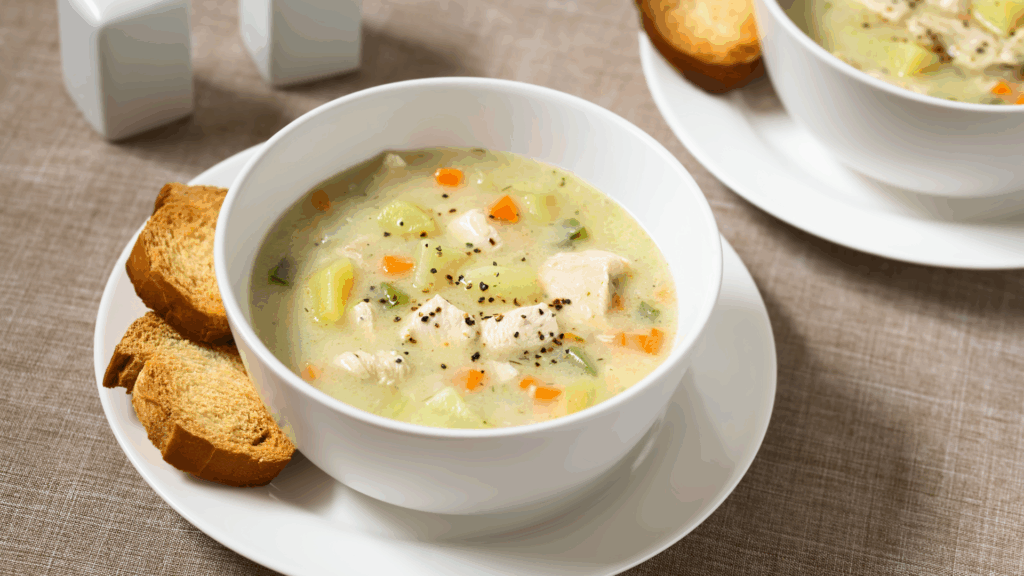
- Lunch: Potato soup or vegetable soup made from wilted produce, a handful of dried beans, and whatever spices you have on hand.
- Dinner: Pasta with a small amount of meat in the sauce, macaroni and cheese bulked out with peas or hot dogs, or a simple bean-and-rice combination.
None of these meals requires specialty ingredients or a trip to the store. They’re built on the same foundation that carried families through genuine hardship—and they’ll easily get you through a few days of winter weather while barely denting your grocery budget.
Lesson 4: Stretch Meat and Treat It Like Flavoring
During WWII, rationing meat made it a precious commodity doled out in limited quantities—families adapted by using it as a flavoring rather than the centerpiece of every meal. A small amount of ground beef could flavor a large pot of chili. A bit of bacon added richness to a pot of beans. A few hot dogs could stretch a box of mac and cheese into a hearty dinner.
This approach saves money year-round, but it’s especially useful when you’re working with what you have in your freezer during a storm. That half-pound of ground beef? It can flavor a big pot of soup or chili that feeds your family for two days. A couple of chicken thighs can transform a pot of rice and vegetables into something satisfying without breaking the budget.
The 1940s housewife would have looked at a modern American dinner plate—with meat taking up half the space—and wondered why anyone would waste their ration coupons that way. Her version, with lots of grains and veggies and just a hint of meat, was both frugal and filling.
Lesson 5: Waste Nothing, Repurpose Everything
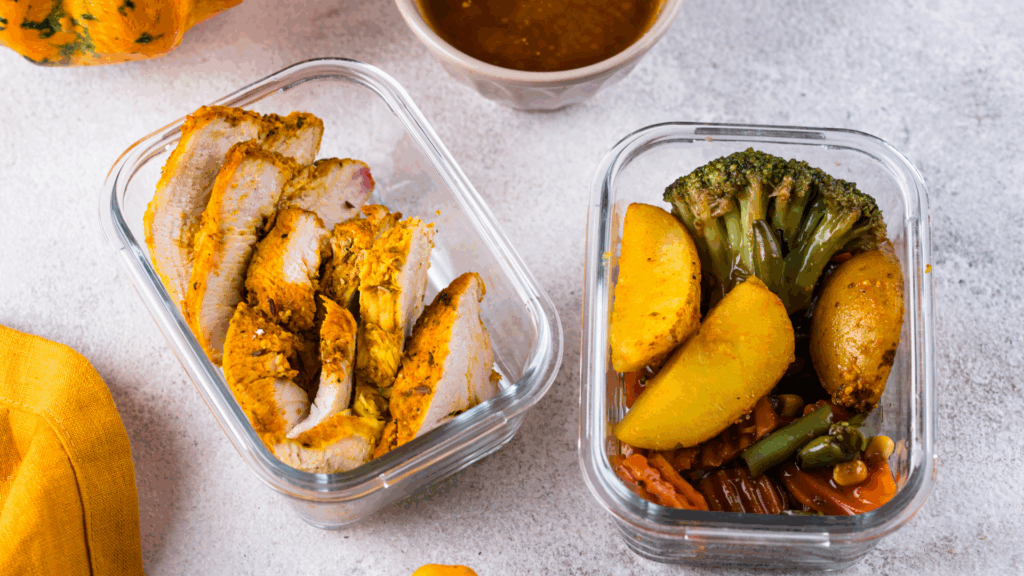
Old-fashioned cooks operated under a strict “waste not” mindset. Leftovers were never thrown away; they were automatically transformed into the next meal. Leftover vegetables went into the soup. Stale bread became bread pudding or croutons. Bits of meat were stretched into casseroles or mixed with cornmeal to make savory cakes.
This was standard practice during both the Depression and the rationing years of WWII. Food was too valuable to waste, and creativity in the kitchen was a point of pride. Women’s magazines from the 1940s regularly featured recipes for “creative cooking on a shoestring” that turned yesterday’s dinner into today’s lunch.
During a snowstorm, challenge yourself to a “no-waste” week. That half-cup of rice from dinner? It becomes fried rice for breakfast or goes into tomorrow’s soup. Those vegetable scraps? They simmer into broth. Even the water from boiling potatoes can add body to soup or gravy.
When you can’t easily replace what you have, you start seeing your food differently. Every ingredient has potential, and nothing gets tossed without considering how it might stretch into one more meal.
Lesson 6: Lean Into Simple, Seasonal Eating
Victory gardens and backyard chickens were common during WWII because they helped families supplement their rations and gain a sense of control amid uncertainty. While you probably can’t dig a garden during a snowstorm, the principle still applies: work with what’s naturally available and in season.
Preserved foods—canned goods, frozen vegetables, dried beans—are the winter equivalent of seasonal eating. Your grandmother would have “put up” vegetables in summer and fall, then relied on those jars through the winter months. Today, that might look like buying frozen vegetables when they’re on sale and keeping a well-stocked freezer.
Even small steps count. Growing herbs on the windowsill, a few backyard vegetables in summer, or learning to can or freeze surplus produce means you’re less dependent on the grocery store when weather makes shopping inconvenient or expensive.
Lesson 7: Embrace the Cozy “Grandmacore” Vibe
The modern “grandmacore” trend isn’t just about aesthetics. It’s about reclaiming the cozy, budget-friendly approach to cooking and homemaking that defined earlier generations. Slow stovetop meals, homemade bread, simple cookies, and everyone gathered at the table—these weren’t Instagram moments for your grandmother. They were born of everyday life, from necessity.
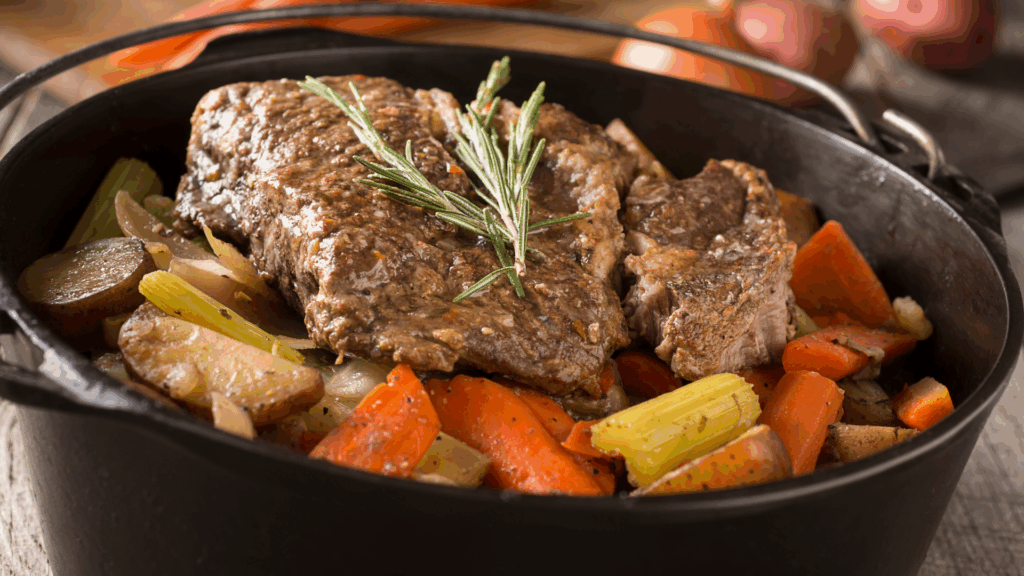
A snowstorm creates the perfect opportunity to lean into this mindset. You can’t go anywhere anyway, so why not slow down? Let a pot of soup simmer on the stove all afternoon. Bake bread while you work from home. Make simple treats with fruit and a small amount of sugar, just like families did when sugar was rationed.
The beauty of this approach is that it doesn’t require buying anything new or adopting a complicated lifestyle. It’s about using what you have, enjoying the process, and finding satisfaction in simplicity. That’s exactly what made grandmothers so good at making every penny count.
What a Snowstorm Week Actually Looks Like
Here’s how Depression and WWII-era principles translate into a practical storm-week menu:
- Day 1: Potato soup for lunch, using whatever vegetables need to be used up. Spaghetti with a small amount of meat sauce for dinner. Bake a loaf of bread while the oven’s on.
- Day 2: Oatmeal for breakfast. Grilled cheese and tomato soup (using that bread you baked) for lunch. Leftover spaghetti for dinner, or transform it into a baked pasta casserole.
- Day 3: Fried potatoes and eggs for breakfast. Bean and rice bowls for lunch, made with canned beans and leftover rice. Chicken and vegetable stew for dinner, stretching one or two chicken pieces with lots of vegetables.
- Day 4: Pancakes from scratch for breakfast. Leftover stew for lunch. Macaroni and cheese bulked out with frozen peas or cut-up hot dogs for dinner.
- Day 5: French toast made from that bread that’s getting stale. Soup made from leftover chicken bones and vegetable scraps. Cornbread and beans for dinner.
None of these meals requires fancy ingredients or special skills. They’re built on staples that cost pennies per serving and strategies that have fed families through far worse than a winter storm.
The Bigger Lesson: Frugal Living Is Freedom
Your grandmother didn’t cook this way because she loved being frugal. She cooked this way because money was tight and she had to make it work. But here’s what modern families are rediscovering: there’s genuine freedom in knowing you can feed yourself well without constantly spending money or relying on stores and restaurants.
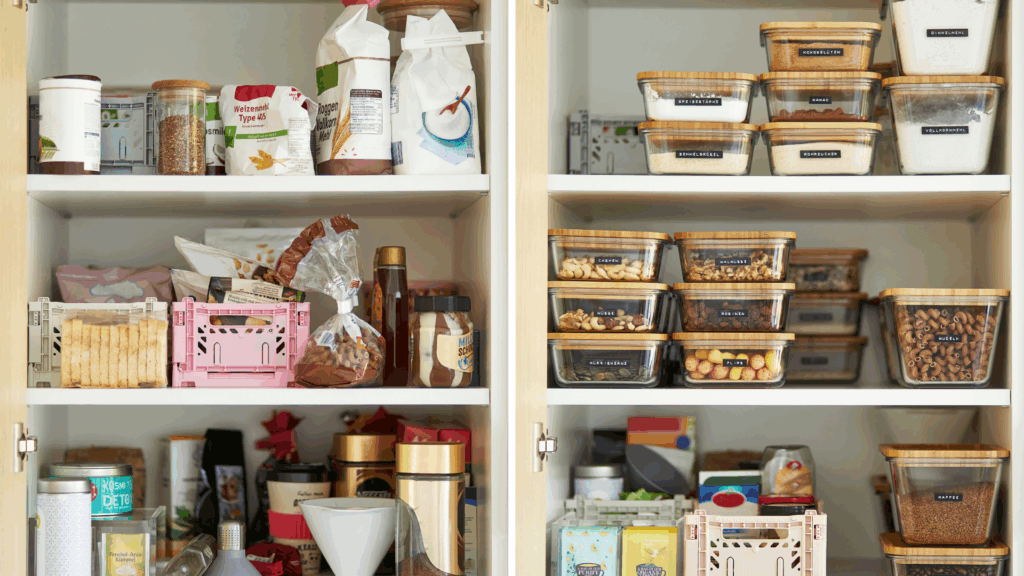
When you have a stocked pantry and basic cooking skills, a snowstorm isn’t a crisis—it’s just weather. You’re not paying surge prices for grocery delivery or settling for whatever the picked-over store shelves still have. You’re making meals that would have impressed a 1940s homemaker, and you’re doing it for less money than most people spend on a single takeout order.
The “making do” mindset that got families through the Great Depression and WWII rationing turns out to be surprisingly relevant for anyone trying to cut their grocery budget, reduce food waste, or build resilience into their daily life. You don’t need a historical crisis to benefit from these lessons—you just need a snowstorm and a willingness to cook as your grandma did.
Start Building Your Own Storm-Ready Pantry
If this snowstorm caught you unprepared, now is the perfect time to start building a pantry that would make your grandmother proud. Focus on those Depression-era staples: flour, cornmeal, oats, rice, dried beans, canned goods, basic spices, and salt. Add yeast if you want to bake bread, and keep some canned meat or frozen ground beef on hand for when you need to stretch a meal.
The goal isn’t to hoard or spend a fortune. It’s about gradually building a foundation of shelf-stable foods that can carry you through a week without shopping—whether due to weather, budget constraints, or simply the desire to eat down what you already have.
Your grandmother would have kept these things on hand as a matter of course. For her, it was about being prepared and making smart use of limited resources. For you, it’s about the same thing—just with more choices and (hopefully) less genuine hardship behind it.
The Takeaway: Old Wisdom for Modern Budgets
Cooking like your grandma during a snowstorm isn’t about romanticizing the past or pretending the “good old days” were better. The Great Depression and WWII rationing were genuinely difficult times. But the cooking strategies that helped families survive those eras contain timeless wisdom about resourcefulness, creativity, and making the most of every ingredient.
These lessons apply whether you’re weathering a winter storm, trying to cut your grocery spending, or just tired of wasting food and money. The basics haven’t changed: cook from scratch, use your oven efficiently, build meals around cheap staples, stretch expensive ingredients, waste nothing, and embrace the cozy satisfaction of feeding yourself well without constantly spending.
That’s the kind of knowledge that doesn’t go out of style—and it’s exactly what your grandmother would want you to know.