
How I Meal Plan for a Month Using What’s in My Pantry
If you’ve ever stared at a full pantry and still felt like there was nothing to eat, you’re not alone. Most of us have more meal potential sitting on our shelves and in our freezers than we realize. The trick is learning how to see it.
A month of meals doesn’t start with a blank recipe list or a big grocery haul. It starts with what you already have. When you plan from your pantry first, you stop buying duplicate ingredients, waste less food, and cut way down on those random mid-week store runs that quietly wreck your budget. Here’s how to make it work all month long.
Start with an Inventory Before You Plan Anything
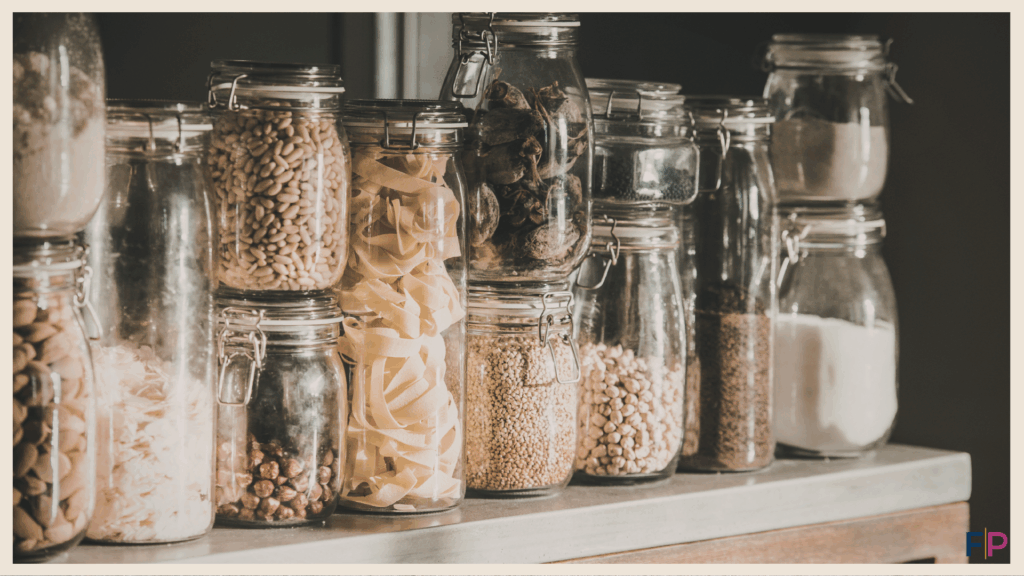
This is the step most people skip, and it makes all the difference. Before you write a single meal idea or add anything to your grocery list, go through your pantry, freezer, and fridge and actually look at what’s there.
You’re looking for the building blocks: pasta, rice, beans, canned tomatoes, stock, oats, flour, and condiments in the pantry. In the freezer, check for vegetables, any meat or meatballs, bread products, frozen leftover portions, and bags of cooked rice. These are the ingredients that turn a bare-bones plan into a full month of real meals.
Write it down or snap a photo with your phone. When you can see what you have, you can plan around it instead of guessing at the grocery store.
Think Like a Mini Grocery Store
One of the most useful mental shifts in budget meal planning is treating your pantry and freezer like a store you’ve already paid for. Every can of beans, every bag of frozen vegetables, every container of broth is inventory you own and can put to work.
When dinner time comes, you’re not starting from scratch. You’re shopping your own shelves first. That changes the whole game because you stop planning meals and then buying ingredients. You figure out what you have, then decide what to make.
Pick 4 to 6 Flexible Meal Templates
This is where a lot of month-long meal plans go sideways. People try to plan 30 different meals, get overwhelmed, and give up by week two. The easier approach is to pick a small number of flexible meal frameworks and rotate them through the month using whatever ingredients you have on hand.
Think about formats rather than specific recipes. Soup is a format. Casserole is a format. Stir-fried rice, loaded baked potatoes, and breakfast-for-dinner are all formats. Once you know the structure, you can swap in whatever ingredients you have and get a completely different meal each time.
A short list of pantry-friendly formats to work from:
- Pasta with sauce plus canned meat, frozen meatballs, or whatever protein you have
- Fried rice using frozen vegetables, eggs, and soy sauce or any leftover grain
- Soup built from stock, canned tomatoes, beans, and whatever vegetables need to be used up
- Loaded baked potatoes topped with cheese, beans, chili, or leftover meat
- Casserole made from pasta, sauce, frozen vegetables, and a protein
- Breakfast for dinner with eggs, toast, potatoes, or pancakes
These aren’t rigid recipes. They’re starting points. You fill them in based on what’s available, which keeps meals feeling fresh without requiring a different shopping list every week.
Keep a Few Backup Meals in Your Back Pocket
Even the best plan has off nights. Work ran long. Someone’s sick. You’re exhausted and the last thing you want is to think about dinner. That’s exactly when plans fall apart if you don’t have a safety net.
Build a handful of easy backup options into your month before you need them. Grilled cheese and tomato soup, frozen pizza, a can of chili over rice, scrambled eggs and toast. These aren’t failures. They’re the thing that keeps you from calling for delivery or making an unplanned grocery run on a Tuesday night.
Having those “other meal” backups ready means your plan stays intact even when life doesn’t cooperate.
Schedule a Weekly Freezer Clean-Out Meal
The freezer is one of the most valuable tools in a frugal kitchen, and it’s also one of the easiest to neglect. Things get pushed to the back, forgotten, and eventually tossed. A weekly freezer clean-out meal fixes that.
Once a week, plan at least one meal specifically around the oldest thing in your freezer. Dig to the back. Pull out whatever has been in there the longest and build your meal around it. That bag of frozen corn that’s been there since September? Into the soup it goes. The chicken thighs from two months ago? Tonight’s casserole.
This habit keeps your freezer from becoming a graveyard of good intentions. It also means you’re regularly making space for better buys when things go on sale, and you’re getting full value out of everything you already bought.
Don’t Underestimate Freezer Staples
Beyond the obvious proteins, a well-stocked freezer has a lot going for it. Frozen vegetables are often just as nutritious as fresh and don’t come with the pressure of using them up before they wilt. Bread products like buns or sliced bread freeze well and make last-minute meals easier. Leftover portions of cooked rice or pasta are gold when you need to throw something together fast.
Cream cheese, butter, and shredded cheese are freezer-friendly too, which means stocking up when they’re on sale actually pays off. When your freezer has variety, your pantry-first meals have more range.
Plan for More Than 30 Days
Here’s a practical tip that saves a lot of stress at the end of the month: plan for 35 days instead of 30. Not 35 elaborate meals, just a small cushion.
If you’re doing a big once-a-month shopping trip, a 30-day plan tends to come up short. You run out of key ingredients a few days before payday or before your next planned shopping day, and suddenly you’re making extra trips. Building in a few extra meals’ worth of staples gives you breathing room.
Those extra five days don’t need to be fully planned out. They’re there as insurance. A few extra cans of beans, a bag of pasta, some oats. Small additions that mean you’re never scrambling in the last week of the month.
Buy Only the Gaps
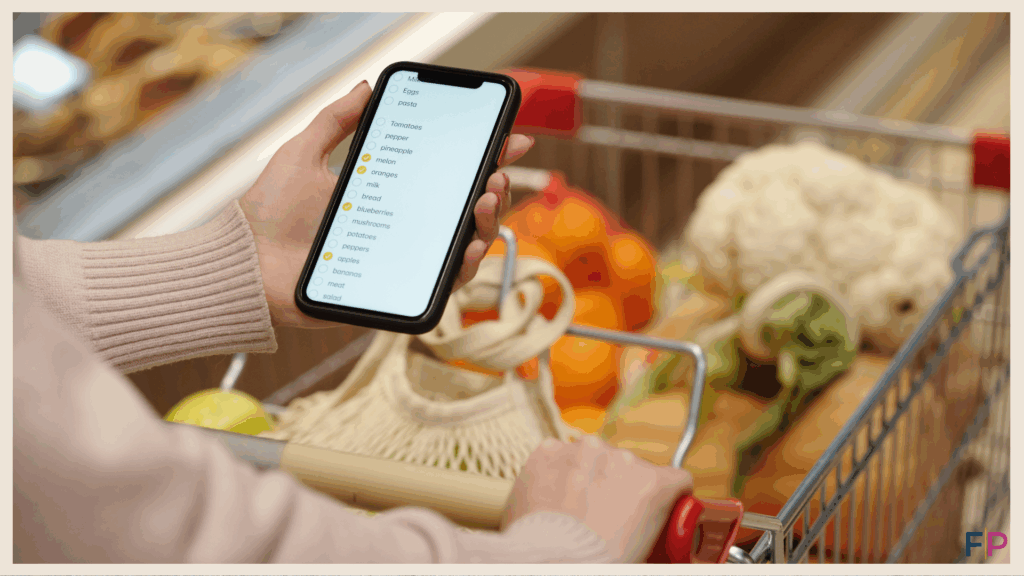
Once your inventory is done and your meal templates are set, you’re ready to make your grocery list. And it should be short.
You’re not shopping for a full month of groceries from scratch. You’re filling in the gaps. Maybe you need more canned tomatoes because you only have two cans and you’ve planned five pasta meals. Maybe you’re out of broth or low on rice. Maybe your freezer is light on protein. Those are the things you buy.
This is the part that takes some practice but pays off fast. When your grocery list is built around real gaps instead of recipe-driven impulse buys, you stop bringing home ingredients that overlap with what you already have. Spending goes down because every purchase actually fills a need.
A Simple Structure to Follow
If you want a repeatable framework for putting this all together, here’s what works:
- Take inventory of your pantry, fridge, and freezer
- Choose 4 to 6 flexible meal templates that work with your staples
- Assign one freezer clean-out meal each week
- Add a few backup “other meals” for hard nights
- Make your grocery list from what’s genuinely missing
That’s the whole system. It’s not complicated, but it requires actually doing step one before anything else. The inventory is what makes everything downstream easier.
Final Thoughts on Pantry Meal Planning
Spending less on groceries is the obvious win. But there’s a quieter benefit that might matter just as much: lower stress.
When you know what’s for dinner before 5 PM because you planned from what you already have, decision fatigue drops. You’re not standing in the pantry overwhelmed by choices or scrolling recipes trying to figure out what to make. You already know. The plan is built.
Meals feel more manageable, and you feel more in control of your kitchen. That combination makes it easier to stick with the approach long-term instead of abandoning it after one hard week.
Treating your pantry and freezer as your primary grocery store is one of those habits that starts as a budget strategy and quietly becomes a lifestyle. Once you see how much you already have to work with, going back to a blank-slate grocery shop feels wasteful in a way that’s hard to ignore.