
5 Dinner Rotations That Save Time and Money
Themed dinner nights take the guesswork out of planning. From Soup Sunday to Sheet-Pan Friday, this simple system cuts decision fatigue and makes grocery shopping a whole lot easier.
You know that 5 o’clock panic when you open the fridge and have no idea what to make? It happens to almost everyone, and it’s one of the sneakiest ways a food budget can fall apart. When there’s no plan, it’s easy to order takeout, grab something overpriced at the store, or throw together a random meal that uses up ingredients you’ll never touch again.
Themed dinner nights are one of the simplest fixes out there. Instead of deciding from scratch every single evening, you assign a general category to each night of the week so half the decision is already made before Monday even starts. It sounds almost too simple, but that’s exactly the point.
Why a Dinner Rotation Actually Works
The biggest drain on weeknight cooking isn’t usually time. It’s the decision-making itself. Figuring out what to cook, whether you have the ingredients, and whether everyone will eat it takes up real mental energy, and by the end of the day most people are running low on all of that.
A themed rotation solves this by narrowing the question down before you even open the fridge. Instead of “what’s for dinner tonight?” the question becomes “what kind of soup sounds good this Sunday?” That’s a much smaller lift, and it makes it far more likely you’ll actually cook instead of reaching for the takeout menu.
The Grocery Shopping Payoff
One of the most underrated benefits of a dinner rotation is what it does for your shopping list. When you’re making the same general categories of meals each week, you can stock a core set of ingredients that pull double or even triple duty across multiple dinners.
Canned tomatoes, dried pasta, beans, broth, and eggs show up across nearly every themed night in a well-built rotation. Buying those in bulk or stocking up during a sale stretches your grocery dollars further because nothing goes to waste. You stop buying random one-off ingredients that sit in the back of the pantry for six months.
Less Waste, More Flexibility
A rotation also gives you a built-in system for using things up before they go bad. When you know pasta night is coming on Wednesday, you can grab whatever vegetables need to be used and toss them in the sauce. Nothing spoils because you didn’t have a plan for it.
That flexibility is actually one of the strengths of this approach. The theme sets the category, but the specific recipe can shift week to week based on what’s on sale, what’s already in the fridge, or what sounds good. You get structure without being locked in.
The 5-Night Rotation That Works
There’s no single perfect rotation, but a five-night setup works well for most households because it covers the main weeknights and still leaves room for a leftovers night or a low-key Friday. Here’s a lineup that keeps costs down and prep manageable.
Sunday: Soup Sunday
Soup is one of the most budget-friendly meals you can make, and Sunday is the perfect day for it. You usually have a little more time to let something simmer, and a big pot means you’ll have leftovers ready to go for lunch early in the week.
The beauty of Soup Sunday is how far a small amount of protein or a bag of dried beans can stretch. Minestrone, chicken and rice, lentil soup, and split pea soup are all easy to build from pantry staples. Add a loaf of crusty bread or a simple salad, and dinner is done without much fuss.
Monday: Meatless Monday
Skipping meat one night a week is one of the easiest ways to trim a grocery bill without anyone feeling shortchanged. Beans, lentils, eggs, canned tomatoes, and seasonal vegetables are all genuinely cheap, and they can carry a meal without any help from a pricier protein.
Think black bean tacos, lentil curry, veggie stir-fry over rice, shakshuka, or a big pot of pasta e fagioli. These are filling, satisfying dinners, and a lot of them come together in 30 minutes or less. Once you find two or three Meatless Monday meals your household actually likes, you can rotate through them without any complaints.
Tuesday: Taco Tuesday

Taco Tuesday has staying power for a good reason. Ground beef, chicken thighs, canned beans, or leftover pulled pork from the weekend all work equally well, and the base ingredients are inexpensive no matter which direction you go.
What makes this rotation so useful is that the same core ingredients can stretch across multiple meal formats without anyone noticing. Tacos on Tuesday can become a burrito bowl for lunch on Wednesday or nachos for a quick Friday snack. One shopping purchase, multiple meals, almost no food waste.
Wednesday: Pasta Night
Pasta is the workhorse of budget cooking, and it earns a permanent spot in any weekly rotation. A pound of dried pasta costs next to nothing, and it pairs with just about anything you have on hand, from a basic marinara to a quick aglio e olio to a creamy white bean sauce.
Keeping two or three jarred sauces in the pantry as a backup means pasta night can happen even on the most chaotic midweek evenings. From there you can add whatever protein or vegetables need to be used up, and dinner comes together in about 20 minutes. It’s the kind of meal that feels reliable rather than boring.
Friday: Sheet-Pan Friday
By Friday, most people want dinner to happen with as little effort as possible. Sheet-pan meals are a strong fit for that because everything goes on one pan, roasts together in the oven, and cleanup takes about five minutes.
Chicken thighs with roasted vegetables, sausage with peppers and potatoes, or salmon with asparagus and lemon all fit the format perfectly. Sheet-pan cooking also tends to produce good results with cheaper cuts of meat and whatever vegetables are on sale, which keeps the cost per serving low even when the meal feels a little more special than a typical weeknight dinner.
How to Build Your Own Rotation
You don’t have to use this exact five-night lineup to get the benefits of a rotation. The goal is to pick themes that match your household’s eating habits, budget, and schedule, then stick with them long enough that they become automatic.
A few other themes worth considering:
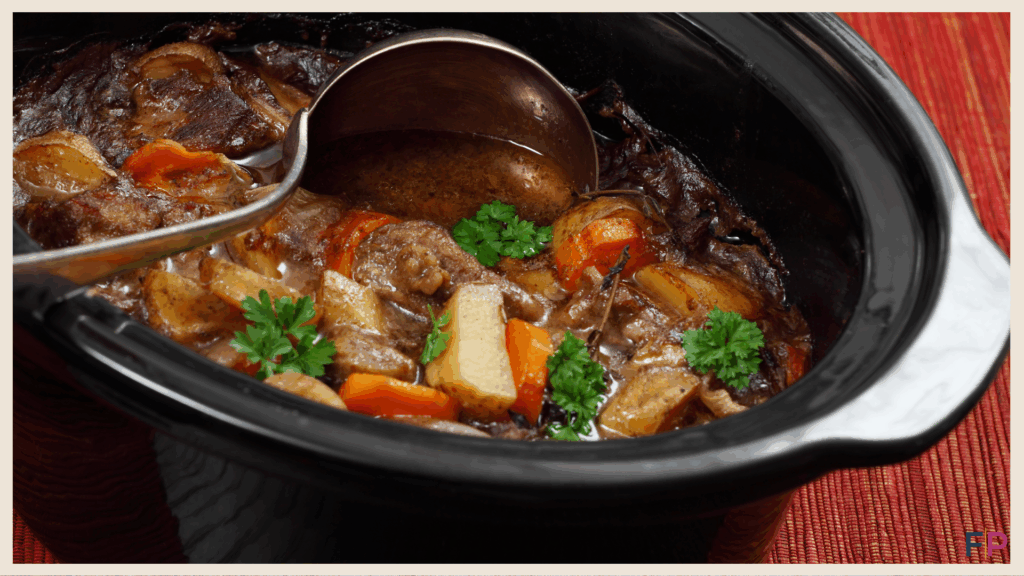
- Slow Cooker Night: Great for busy days when you need dinner to cook itself. Dump the ingredients in the morning and it’s ready by evening.
- Breakfast for Dinner: Eggs, pancakes, and toast are cheap, quick, and genuinely popular with most households. A strong fallback for hectic weeks.
- Casserole Night: Make-ahead friendly and great for stretching pantry staples like canned soup, rice, or noodles into a full meal.
- DIY Bowl or Bar Night: Set out a few base ingredients, like rice, beans, toppings, and sauces, and let everyone build their own. Works for taco bars, baked potato bars, and grain bowls alike.
The key is choosing themes broad enough to give you flexibility but specific enough to actually make the planning easier. “Something with chicken” is too vague. “Sheet-pan dinner” gives you a framework.
Starting Simple
If a full five-night rotation feels like a lot to start, pick just two or three themed nights and build from there. Even one or two anchored nights in the week reduces how much daily decision-making you have to do and creates a more predictable shopping list.
Give any new rotation about three or four weeks before you decide whether it’s working. The first couple of weeks usually involve some adjustment as you figure out which specific meals fit each theme and which ones your household actually wants to eat again.
Making the Most of Leftovers
A smart rotation builds in a leftovers night without even trying. Soup Sunday almost always produces extra, pasta reheats well, and a sheet-pan dinner can easily stretch to a second meal with some additions.
Designating one night as a “use it up” night, usually Thursday or Saturday, takes the pressure off inventing something new and reduces food waste at the end of the week. It also saves real money over time. The USDA estimates that the average American family throws away between $1,500 and $2,000 worth of food every year, and a leftovers night is one of the simplest ways to cut into that number.
A Note on Flexibility
A rotation is a tool, not a rule. Life gets busy, schedules change, and some weeks the plan just doesn’t survive contact with reality. That’s fine. The system works because it reduces the number of decisions you have to make on a good week, not because it has to be perfect every week.
If taco Tuesday gets moved to Thursday because something came up, that’s still a win. The point is having a default to return to so you’re not starting from scratch every single Monday.
Final Thoughts on Dinner Rotations
The easiest way to start is to pick your five themes, map them to the nights that make the most sense for your schedule, and then write out two or three specific meals that fit each category. That gives you a short list to rotate through without having to think too hard about it each week.
From there, build a master shopping list based on the staples each theme relies on. Most of those ingredients will overlap, which means your cart gets simpler and your weekly grocery total tends to drop. Once the rotation is running, you’ll wonder how you ever got through the week without it.
Themed dinner nights aren’t about being rigid or turning weeknight cooking into a chore. They’re about making the whole thing easier so you can stop dreading the question of what’s for dinner and start actually looking forward to it.