
How I Turn One Grocery Trip Into Two Weeks of Meals
Most of us grocery shop out of habit, not strategy. We go when we run out of something, grab what looks good, and figure out meals as we go. It works, but it also costs more than it should — in money, in time, and in food that quietly spoils before you ever get to it.
What if one intentional shopping trip could carry your household through a full two weeks? Not in a spartan, eating-the-same-soup-every-night way, but in a genuinely satisfying, nothing-goes-to-waste way. It’s more possible than it sounds, and it starts with shifting how you think about your grocery run entirely.
The goal here isn’t just buying less often. It’s buying more intentionally.
Start With What You Already Have
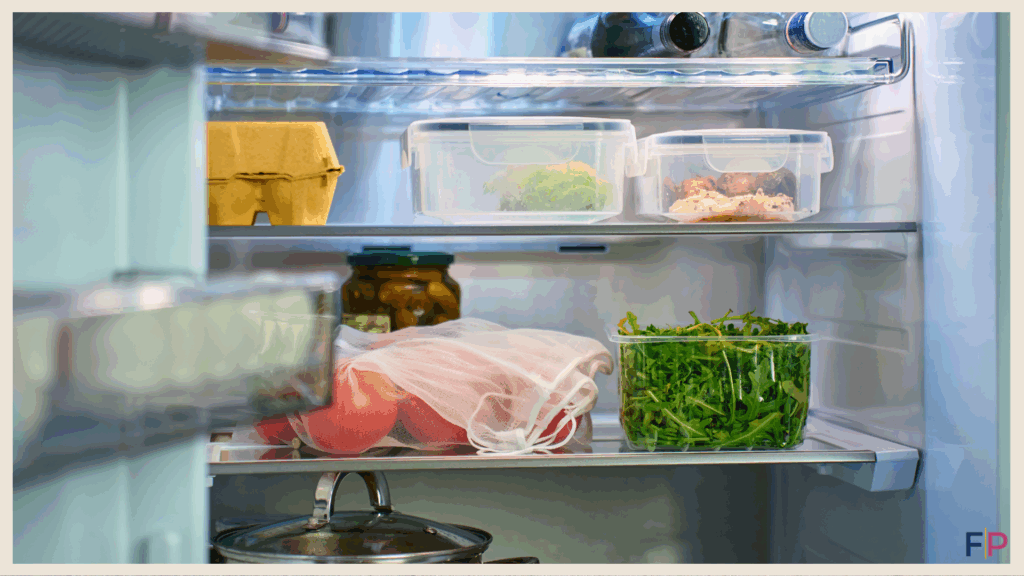
Before you ever pull up a grocery list, open your fridge, freezer, and pantry. This one step saves money every single time, because most of us already have more than we realize.
Take a quick inventory: what proteins are in the freezer, what vegetables are still good, what pantry staples are running low. You’re not looking for a full accounting — just enough to know what needs to be used first and what you can skip buying this trip. Buying a can of black beans when you already have three is a tiny waste that adds up fast.
This also helps you avoid what budget shoppers call “phantom groceries” — items you buy repeatedly because you forget you have them. A quick five-minute scan before you shop pays off in a real way.
Build Your List Around a 14-Day Plan
Once you know what you have, you can plan around what you actually need. Sketch out a loose meal map for two weeks — not a rigid schedule, but a rough guide. Think in terms of what proteins you’ll use, how many nights you’ll cook versus eat leftovers, and what staples will anchor your meals.
Flexible staples are your best friends here: rice, pasta, dried or canned beans, potatoes, eggs, oats, and frozen vegetables. These items are inexpensive, store well, and can become wildly different meals depending on what you pair them with. A bag of rice can show up as a stir-fry base on Tuesday, a burrito bowl on Friday, and fried rice on day twelve. That’s not boring — that’s smart.
When you’re building your cart, aim for variety in shelf life. Don’t buy all fragile produce at once. Mix in sturdier items that will hold up well through week two, and you’ll have ingredients ready to go when your fresh produce has run its course.
Eat in the Right Order
This is the single biggest shift that makes two-week grocery planning actually work: eating your most perishable items first and saving the hardier ones for later. It sounds simple, but most people don’t do it intentionally.
Think of your refrigerator as a countdown clock. Some foods have three days before they start to turn; others will still be fine two weeks from now. Planning your meals to match that countdown is what separates a two-week run from a week-and-a-half stretch followed by a freezer scrounge.
Days 1 Through 3: Delicate Produce First
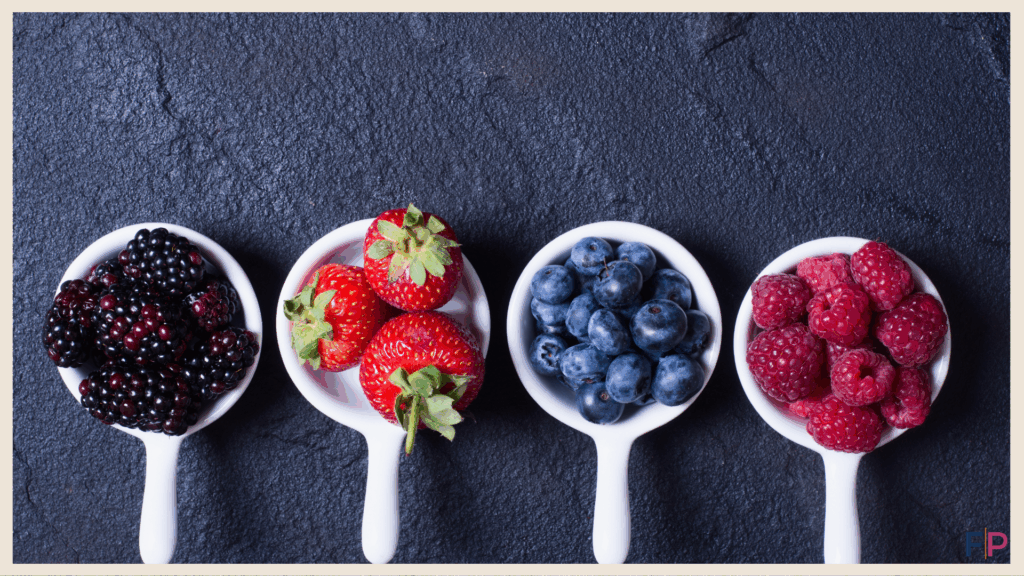
Your first few days should feature the most fragile items from your haul: fresh berries, salad greens, cucumbers, tomatoes, fresh herbs, and anything else that wilts or softens quickly. Build your meals around these ingredients while they’re at their best. A big salad, a grain bowl topped with fresh vegetables, or a quick stir-fry with peppers and zucchini all make good early-week meals.
Don’t let salad greens sit untouched while you eat something else. They’re the first to go, and they’re often the most expensive per ounce. Use them up.
Days 4 Through 7: Mid-Range Meals
By the middle of your first week, you’ll move into heartier territory. This is when casseroles, pasta dishes, roasted vegetable meals, and protein-based bowls shine. Vegetables like broccoli, bell peppers, green beans, and cauliflower hold well through day seven and take beautifully to being cooked in bulk.
This stretch is also a great time to batch-cook proteins if you haven’t already. A tray of roasted chicken thighs, a pot of lentils, or a skillet of seasoned ground beef gives you building blocks that turn into multiple meals without much extra effort.
Days 8 Through 14: The Long Haul Ingredients
Root vegetables, eggs, cabbage, hard cheeses, apples, carrots, and potatoes are your week-two heroes. They don’t ask much of you and hold up through the end of the cycle without complaint. Frozen vegetables step in here too — peas, corn, edamame, and mixed stir-fry blends work beautifully when fresh produce is running low.
Canned goods are your backup system during this phase. A can of tomatoes and a can of white beans can become a satisfying pasta sauce in twenty minutes. Canned chickpeas tossed with spices and roasted in the oven make an easy, filling dinner alongside whatever grain you have on hand.
Plan Leftovers on Purpose
Here’s a mindset shift that changes everything: leftovers aren’t a consolation prize. They’re an ingredient.
When you cook on day one, cook more than you need. Roast a whole tray of vegetables instead of just enough for dinner. Make a double batch of rice. Cook a whole chicken instead of two breasts. Those extras become the foundation of tomorrow’s lunch, Friday’s grain bowl, or Sunday’s soup. This is sometimes called “cook once, eat twice” — or in a two-week plan, more like cook once, eat several times.
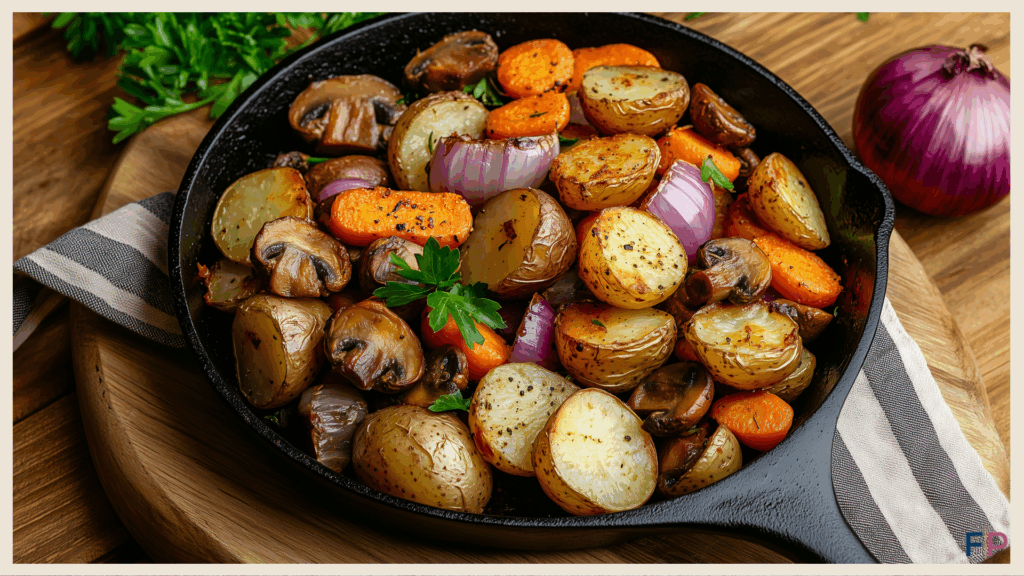
One of the most practical ways to do this: roast extra vegetables on night one. Those same roasted vegetables can become the base for a veggie omelet in the morning, a topping for pasta at lunch, or a filling for quesadillas later in the week. One pan of roasting does a lot of heavy lifting when you plan for it.
Build Meals That Lead Into Each Other
Think of your two-week plan as a sequence, not a collection of separate meals. Meals that share ingredients reduce waste and reduce how much you need to buy in the first place.
If you roast a whole chicken on night two, that same chicken gives you:
- Sliced chicken over a salad for lunch
- Chicken tacos later in the week
- A simple chicken and vegetable soup toward the end of week two
That’s four or five meals from one purchase. The same logic applies to a pot of beans, a batch of ground turkey, or even a big pan of roasted sweet potatoes. When you shop with these sequences in mind, your cart reflects a plan rather than a guess.
The Freezer Is Part of Your Strategy
One thing that trips up two-week grocery planning is watching bread, meat, or bananas go south before you get to them. The fix is simple: freeze early, not as a last resort.
When you get home from shopping, take stock of what you know won’t make it two full weeks. Freeze half the bread. Portion out ground beef and freeze what you won’t use in the next four days. Peel and freeze bananas before they turn. This isn’t failure — it’s the plan working.
Pull items from the freezer a day ahead by moving them to the refrigerator to thaw. A little forethought means your week-two meals taste just as good as your week-one meals.
Keep a Backup Meal in Reserve
Even the best two-week plan will hit a day where nothing sounds good, you’re too tired to cook, or the meal you planned fell through because life happened. This is exactly why having at least one backup meal built into your shopping is worth doing.
A backup meal doesn’t have to be complicated. A few cans of good soup, a box of pasta and a jar of sauce, or everything needed for scrambled eggs and toast can rescue a night that would otherwise end with takeout. Keep the ingredients for one easy, no-brain meal on your shelf at all times.
Breakfast-for-dinner is a classic two-week stretcher for good reason. Eggs are inexpensive, protein-rich, and versatile enough to be the foundation of a satisfying meal on any night of the week. When your fresh ingredients are dwindling and your motivation is low, a skillet of eggs with whatever vegetables and cheese you have left in the fridge is genuinely great.
End-of-Cycle Meals That Use Everything Up
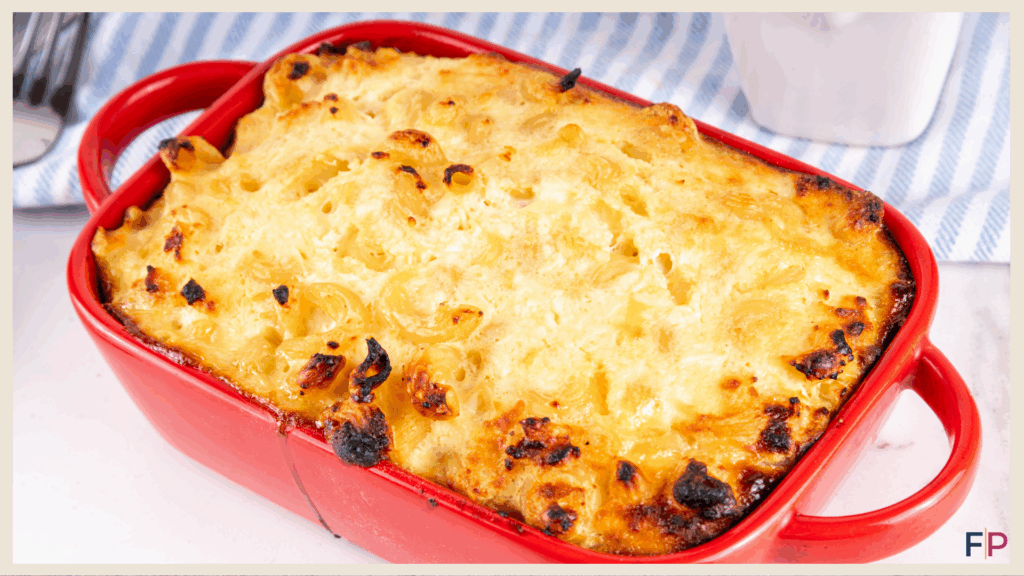
The last few days of a two-week grocery run are where creativity pays off. This is when you look at what’s left and find the simplest way to make it all into something good.
A few reliable end-of-cycle formats:
- Fried rice uses leftover grains, odds and ends of vegetables, and eggs. It’s fast, filling, and one of the best use-what-you-have meals around.
- Soup or chili can absorb almost any combination of canned beans, canned tomatoes, broth, and whatever vegetables and protein you have left.
- Clean-out-the-fridge skillet is exactly what it sounds like: sauté whatever’s on hand in a little oil with garlic, season it, and serve it over rice or with crusty bread.
- Pasta bakes are forgiving with whatever vegetables, protein, and cheese you have remaining.
- Quesadillas use up leftover cooked chicken, beans, cheese, and any vegetables nearing the end of their life.
These aren’t last-resort meals. They’re the practical magic of a plan coming together.
A Few Habits That Make It All Work
Two-week grocery planning gets easier every time you do it, but a few habits make it click faster.
Do a small amount of prep right after you get home from shopping. Wash and dry your greens before they go in the fridge — they’ll last longer and you’ll actually use them. Chop onions and peppers in bulk so they’re ready when you need them. Having things ready to go is often the difference between cooking dinner and ordering out.
Check your refrigerator every few days and move anything that’s close to turning to the front where you’ll see it. This small habit prevents the “hidden broccoli in the back of the drawer” situation that plagues everyone.
Finally, prep some ingredients in forms that can travel across multiple meals. A pot of cooked grains at the start of the week, a batch of roasted vegetables, or a container of seasoned beans gives you building blocks that make pulling together meals faster and less stressful all week long.
Final Thoughts on Grocery Trips
When you shop with a two-week plan in mind, you spend less because you waste less. Reducing food waste by even thirty percent can make a meaningful dent in your monthly grocery bill, and it happens almost automatically when you buy intentionally and eat in the right order.
You also spend less mental energy on the daily “what’s for dinner?” spiral, because you already know the rough shape of your week. That calm is underrated. For busy midlife women managing households, jobs, and everything in between, having a plan is one of the most practical forms of self-care there is.
One grocery trip. Two weeks of meals. It just takes a little intention at the front end.
What’s your biggest challenge with making groceries last? Drop it in the comments — I’d love to hear what you’re working through.