

Tiny Habits That Keep My House from Spiraling
You know that feeling when you walk into your house and everything feels chaotic? The dishes are piled up, the mail is scattered across the counter, and you can’t find anything you need. When you’re already trying to stick to a tight budget, household chaos creates even more stress—and often leads to expensive quick fixes, such as takeout or buying duplicates of things you know you own but can’t locate.
Here’s the thing: those massive weekend cleaning sessions and elaborate organizing systems rarely stick. They require too much time and energy to maintain, especially when you’re juggling work, family, and financial goals. The secret isn’t doing more—it’s doing tiny, consistent things that prevent the spiral from starting.
These small daily habits cost nothing but your time (usually just a few minutes) and create systems that actually save money in the long term. They prevent waste, reduce emergency purchases, and keep your home running smoothly without the need for expensive organizing products or professional help.
Morning Momentum Makers
Starting your day with just a few simple actions sets the tone for everything that follows. These habits take less than 15 minutes in total, but they create immediate visual order and mental clarity.
Make Your Bed (2 minutes)
This classic habit works because it gives you an instant win right from the start of your day. Your bedroom immediately looks put-together, and you’ve already completed one task before the day officially begins. There’s no cost involved, but the psychological boost is huge.

10-Minute Pickup
Before you leave for work or start your day at home, set a timer for 10 minutes and return items to their proper places. Focus on the areas you’ll see first when you come home—the entryway, kitchen counter, and living room. This prevents clutter from accumulating and eliminates the need to buy organizing products later, as everything already has a designated home.
Check Tomorrow’s Weather
While having your morning coffee, glance at tomorrow’s forecast on your phone. Knowing what’s coming helps you plan outfits, pack umbrellas, and prepare for activities. This simple check prevents last-minute purchases of forgotten rain gear or the expense of takeout when bad weather disrupts dinner plans.
Kitchen Control Systems
The kitchen is often the epicenter of household chaos, but a few strategic habits can keep it functional without requiring major time investment. These systems work because they prevent problems rather than trying to fix them after they’ve gotten out of hand.
One-Touch Kitchen Rule
Every time you enter the kitchen, leave with something that doesn’t belong there. Grab the coffee mug from the counter and put it in the dishwasher. Take the mail back to its designated spot. Return the kids’ toys to their rooms. This habit prevents kitchen overwhelm because you’re constantly maintaining order without dedicating separate cleaning time.
The 15-Minute Dinner Prep
While you’re already cooking dinner, use the waiting time to prep for tomorrow. Wash vegetables while the pasta boils. Set slow cooker ingredients in the fridge while your chicken bakes. Put out breakfast items while dinner simmers. This small time investment saves money by preventing those expensive convenience food purchases when you’re too tired to cook the next day.
Inventory Check While Cooking
When you’re stirring, waiting for water to boil, or letting something simmer, use those moments to glance through your pantry and fridge. Note what’s running low and add it to your phone’s shopping list immediately. This prevents duplicate purchases because you forgot you had something, and it eliminates extra grocery runs for forgotten essentials.
Load the Dishwasher Immediately
Instead of putting dirty dishes in the sink, place them directly in the dishwasher. Run it when it’s full, regardless of the time of day. This simple switch prevents dish pile-up and eliminates the temptation to use disposable plates when the sink gets overwhelming.
Smart Shopping Prevention
The best way to stick to your budget is to avoid unnecessary purchases from the start. These habits create natural barriers to impulse spending while ensuring you actually use what you buy.
The 24-Hour Rule
Before making any non-essential purchase over $25, wait 24 hours to reconsider. For purchases over $100, wait a whole week. Use this pause to research better prices, check if you already own something similar, or simply let the impulse pass. Write the item and date on a note in your phone—you’ll be surprised how often you forget about things you thought you “needed.”
Weekly Menu Check
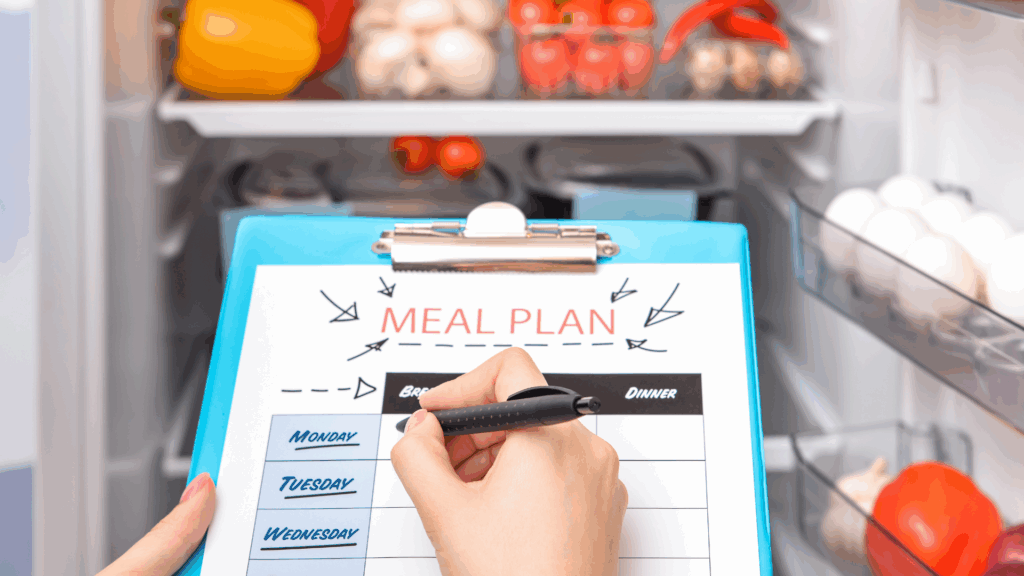
Every Sunday, spend 15 minutes planning the week’s meals using ingredients you already have. Check what needs to be used before spoiling and build meals around those items first. This habit alone can significantly reduce grocery bills because you’re using what you already own instead of buying new ingredients for every meal.
Monthly Subscription Audit
On the first day of each month, review all recurring charges on your bank and credit card statements. Cancel unused gym memberships, forgotten streaming services, and subscription boxes you no longer need. Set phone reminders for annual subscriptions to review them before they auto-renew.
The One-In, One-Out Rule
When you bring new items into the house, remove something similar in style. A new shirt means donating an old one. New kitchen gadget means getting rid of one that’s been gathering dust. This prevents clutter accumulation and reduces the need for additional storage solutions.
Maintenance That Prevents Emergencies
Small maintenance habits prevent big, expensive problems. These quick checks cost nothing but can save hundreds or thousands in emergency repairs.
Weekly Water Check
Every Sunday, run water in rarely-used sinks and flush toilets in guest bathrooms. This prevents pipe issues and helps you catch problems before they become expensive emergencies. Make it part of your weekend routine—it takes less than five minutes but protects your most significant investment.
Monthly Filter Reminder
Check the HVAC filters on the first weekend of each month and replace them when they are dirty. Set a recurring phone reminder so you don’t forget. Clean filters improve efficiency and prevent costly system breakdowns. Buy filters in bulk during sales to save money and ensure you always have replacements on hand.
Seasonal Switch Preparation
When changing clothes between seasons, inspect each item carefully before storing it. Address minor repairs immediately—sew on loose buttons, treat stains, or mend minor tears. This prevents last-minute clothing purchases when seasons change and you discover your favorite items need work.
The Five-Minute Daily Scan
Before bed, take five minutes to walk through common areas looking for potential problems. Check for water spots under sinks, test loose door handles, and note burnt-out bulbs. Address minor issues immediately to prevent bigger, costlier problems down the road.
Financial Habit Builders
These money-focused habits take just minutes but create powerful awareness of your financial picture. They support all your frugal living goals by keeping spending visible and manageable.

Daily Expense Recording
Each evening before bed, record the day’s expenses in a simple phone app or small notebook. Include everything from coffee to groceries to gas. This takes less than two minutes but creates incredible awareness of spending patterns and prevents budget surprises at the end of the month.
Weekly Cash Count
Every Sunday, count all cash in wallets, purses, cars, and around the house. Record the total amount and note where money was spent during the week. This prevents “mystery spending” and creates accountability for cash purchases that are easy to forget.
Monthly Net Worth Check
On the same day each month, calculate your net worth by subtracting total debts from total assets. Use a simple spreadsheet or free app to track the number over time. Watching this number grow—even slowly—motivates continued frugal habits and wise financial choices.
Bill Due Date List
Keep a simple list of all bills due dates in your phone’s notes or calendar app. Check it weekly to ensure no late fees sneak up on you. Set reminders three days before due dates for bills that aren’t on autopay. Late fees can easily cost $25- $35 per incident, making this habit a significant money saver.
Final Thoughts on Tiny Habits
These tiny habits work because they’re sustainable, not because they’re perfect. You don’t need to implement everything at once—in fact, trying to change too much too quickly usually leads to giving up entirely.
Choose two or three habits that appeal to you most and focus on those for a month. Once they feel automatic, add one or two more. The goal is progress, not perfection. Some days you’ll forget, and that’s completely normal. Just pick up where you left off the next day.
Small changes compound over time. These habits might seem insignificant individually, but together they create the foundation for a well-managed home and healthy finances. You’ve got this—one tiny habit at a time.