
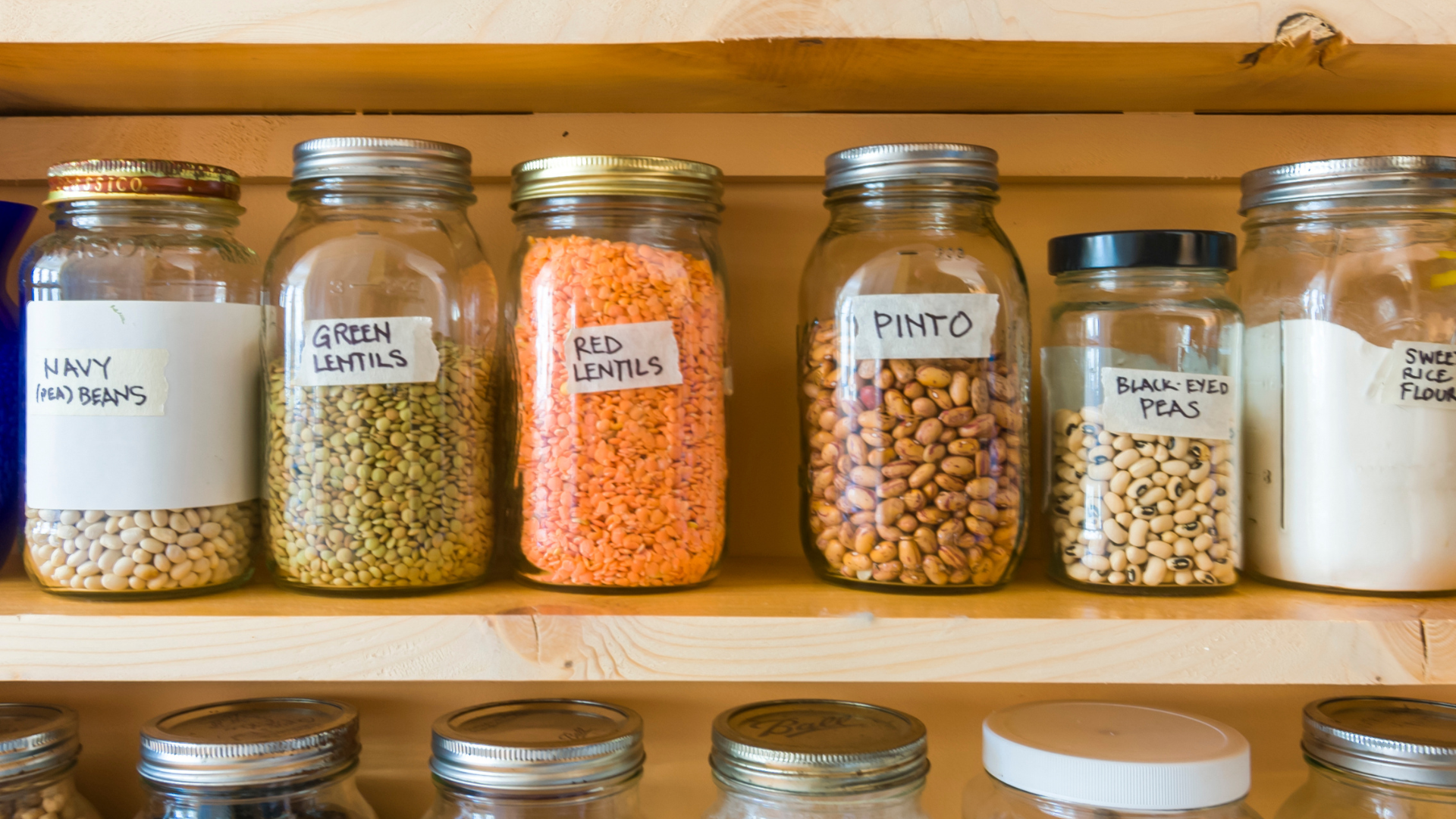
Frugal Pantry Staples I Always Have (And How I Use Them)
A well-stocked pantry is one of the best defenses against budget-busting grocery runs and expensive takeout. When you have the right basics on hand, you can create countless meals without constantly running to the store or paying premium prices for convenience foods.
The key is choosing staples that are genuinely versatile, affordable, and shelf-stable. These are the items that turn a nearly empty kitchen into dinner possibilities, helping you avoid those emergency grocery trips that always end up costing more than planned.
Why Smart Pantry Staples Matter for Your Budget
Having reliable pantry staples saves money in ways that go beyond the initial purchase price. You can buy these items when they’re on sale and stock up, knowing they’ll keep for months or even years.
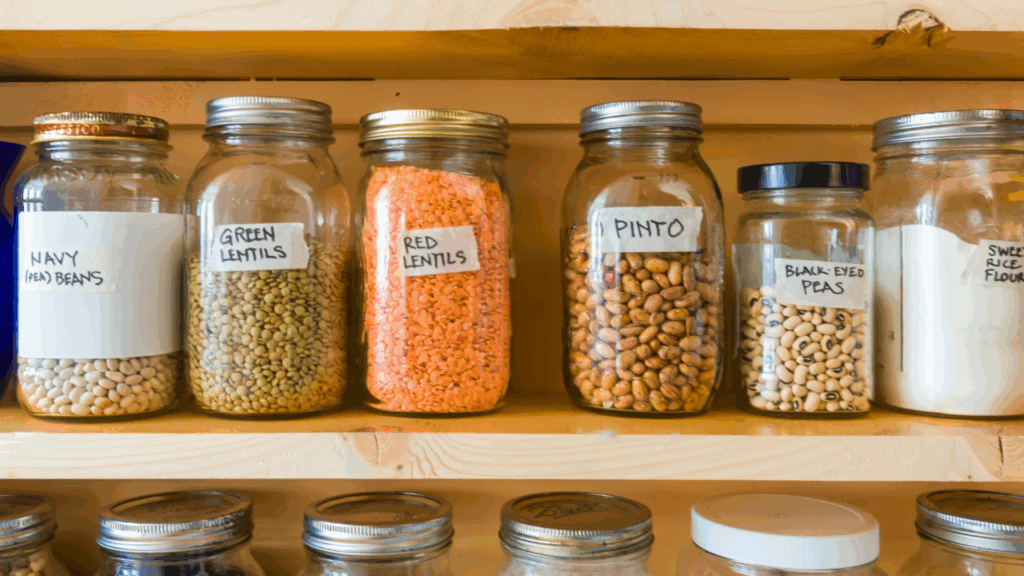
These essentials also prevent food waste by providing options when fresh ingredients are scarce. Instead of letting that half head of cabbage go bad, you can turn it into fried rice with pantry staples. Instead of ordering pizza because “there’s nothing to eat,” you can pull together a satisfying meal from what’s already in your kitchen.
Most importantly, pantry staples can significantly reduce your cost per meal. A bag of dried beans costs a few dollars and makes multiple meals, while prepared or convenience versions of the same thing cost several times more.
Protein Staples That Stretch Your Dollar
Dried Beans and Lentils
Dried beans are one of the most economical protein sources available, typically costing less than $0.20 per serving. A single bag can make several family meals, and they work in everything from soups to tacos to salads.
Lentils cook faster than beans and don’t require soaking, making them perfect for quick weeknight meals. They’re excellent in chili, curries, or mixed into pasta sauce to add protein without significantly increasing the cost.
Canned Chicken or Tuna
Canned proteins offer convenience without the premium price of fresh meat. A can of chicken costs around $2-3 and makes enough for chicken salad, quesadillas, or casseroles for the whole family.
Stock up when these go on sale, as they have a shelf life of several years. They’re lifesavers on busy nights when you forgot to thaw something or need a quick protein addition to pasta or rice dishes.
Eggs
Eggs remain one of the most affordable proteins per serving, typically costing less than $0.30 per egg, even at current prices. They’re breakfast, lunch, dinner, and everything in between.
Beyond the obvious uses for scrambled eggs and omelets, consider using them in fried rice, egg drop soup, homemade pasta, as a breading for chicken, or in baked goods. Eggs add richness and protein to countless dishes while keeping costs down.
Frozen Ground Meat
When ground beef, turkey, or pork goes on sale, buy extra and freeze it in one-pound portions for later use. Frozen properly, it stays fresh for months and can be thawed quickly for use in tacos, spaghetti sauce, casseroles, or meatballs.
Ground meat stretches further when combined with beans, rice, or vegetables. A pound of ground beef can become tacos for six people when you add beans and all the toppings.
Grain and Carb Staples for Filling Meals
White and Brown Rice
Rice costs pennies per serving and pairs with almost anything. A 20-pound bag might seem expensive upfront, but it breaks down to just a few cents per meal and lasts for months when stored properly.
Use rice for stir-fries, burrito bowls, fried rice, casseroles, or simply as a side dish. It’s filling, versatile, and makes expensive proteins stretch much further.
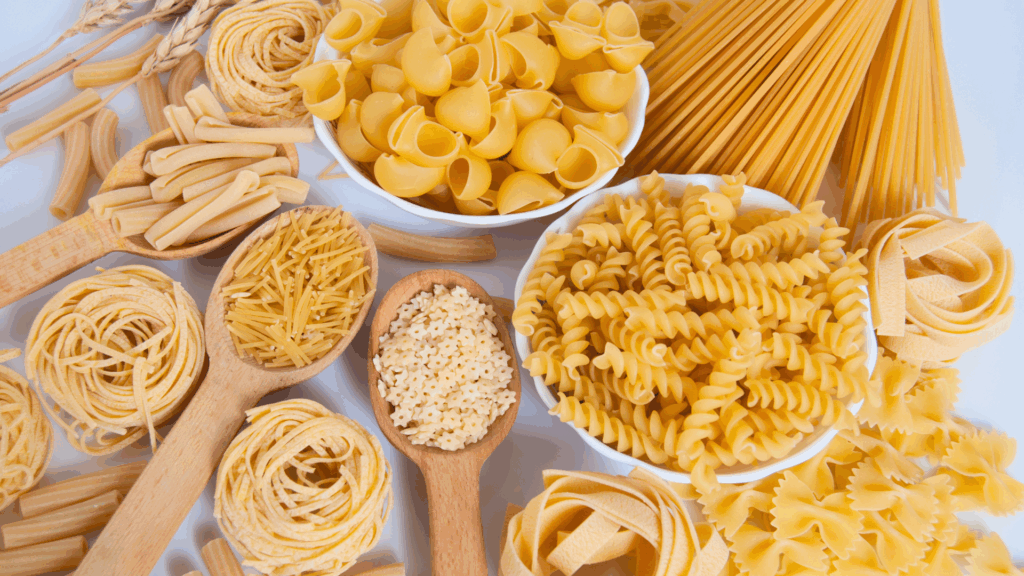
Pasta in Multiple Shapes
Different pasta shapes aren’t just about variety—they work better for other dishes. Keep spaghetti for basic sauces, penne or rotini for casseroles and pasta salads, and small shapes like ditalini for soups.
Pasta has an incredibly long shelf life and cooks in minutes. At around $1 per pound on sale, it’s one of the most budget-friendly bases for a meal you can buy.
Oats
Old-fashioned oats do more than just breakfast. They work as breadcrumb substitutes in meatballs or meatloaf, make homemade granola bars, thicken soups, or create budget-friendly baked goods.
A large container of oats costs just a few dollars and provides weeks of breakfasts. That’s significantly cheaper than boxed cereals or grabbing breakfast on the go.
All-Purpose Flour
Flour opens up a world of homemade possibilities—pancakes, biscuits, gravy, bread, pizza dough, and tortillas all start with this inexpensive staple. Making these from scratch instead of buying prepared versions saves a substantial amount of money over time.
A five-pound bag costs around $2-3 and makes dozens of meals or baked goods. Store it in an airtight container to keep it fresh for months.
Flavor Builders That Make Cheap Ingredients Taste Great

Onions and Garlic
These two ingredients are the flavor foundation for countless dishes. Onions and garlic turn plain rice into something special, make canned beans taste homemade, and add depth to the simplest soups.
Both store for weeks in a cool, dry place. Buy them in bulk bags rather than individually—you’ll use them constantly, and the per-pound price drops significantly.
Bouillon or Broth Base
A jar of bouillon cubes or paste costs a few dollars and makes gallons of broth. Homemade soups, cooking rice in broth instead of water, and adding flavor to casseroles all become easy with this shelf-stable option.
This costs a fraction of buying cartons of broth and takes up minimal storage space. Plus, you can make exactly the amount you need without leftovers going to waste in the fridge.
Soy Sauce
This inexpensive condiment adds savory depth to stir-fries, fried rice, marinades, and even some soup recipes. A bottle can last for months and transform simple rice and vegetables into something more interesting.
Basic Spices: Salt, Pepper, Garlic Powder, Chili Powder, Italian Seasoning
You don’t need a massive spice collection to cook flavorful meals. These five seasonings cover most basic cooking needs and cost just a few dollars each.
Garlic powder is a good substitute when fresh garlic is unavailable. Chili powder is used in making tacos, chili, and other southwestern dishes. Italian seasoning is versatile, working well with pasta, chicken, and casseroles. With these basics, simple ingredients become satisfying meals.
Cooking Essentials That Enable Savings
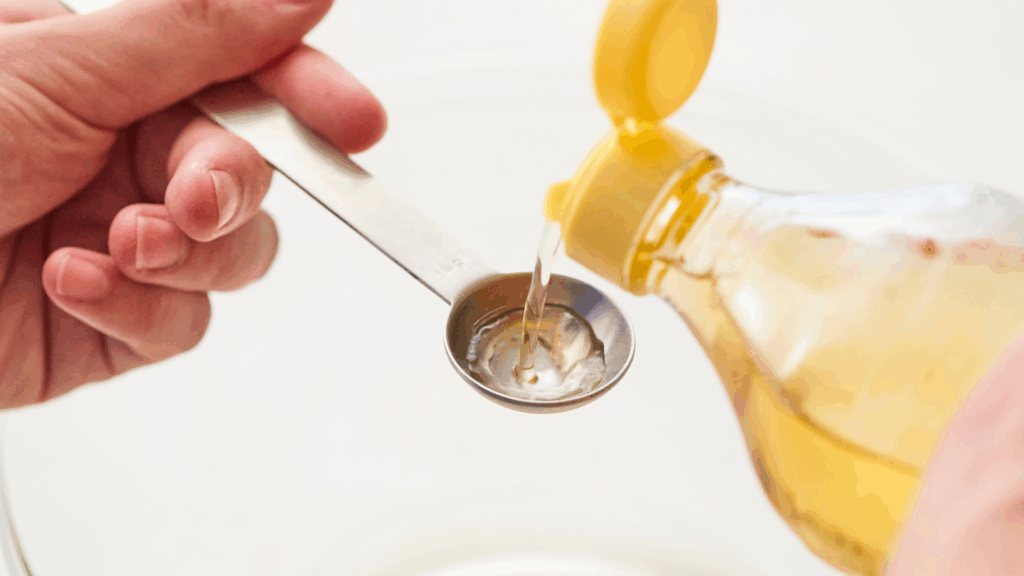
Vegetable Oil
A bottle of neutral cooking oil is necessary for everything from sautéing vegetables to making salad dressings and baked goods. Buy larger bottles when they’re on sale—they’re cheaper per ounce and won’t spoil for many months.
White Vinegar
Beyond cooking, white vinegar is a powerful cleaning agent, making it a versatile and budget-friendly hero. In the kitchen, use it for pickles, salad dressings, and adding tang to soups or stews.
At around $2 to $ 3 per gallon, it’s one of the most economical multipurpose items you can buy. One bottle handles cooking needs and replaces several expensive specialty cleaning products.
Baking Soda and Baking Powder
These leavening agents make it possible to make homemade pancakes, biscuits, and muffins. Making breakfast items from scratch costs a fraction of the price of boxed mixes or bakery items.
Baking soda also works as a cleaning agent and deodorizer, adding even more value for your dollar.
Cornstarch
This thickening agent turns thin sauces into gravy, makes stir-fry sauces glossy and thick, and helps create crispy coatings for fried foods. A box costs about $2 and lasts for months of regular use.
Produce That Actually Lasts

Potatoes
Potatoes are incredibly filling and versatile for just pennies per serving. A 10-pound bag often costs less than $5 and provides the base for countless meals, including baked potatoes, mashed potatoes, potato soup, hash browns, or roasted potatoes.
They store for weeks in a cool, dark place. When fresh produce is scarce or expensive, potatoes serve as a reliable and filling option.
Carrots
Whole carrots last much longer than baby carrots and cost less per pound. They can be used in soups, stews, stir-fries, roasted as a side dish, or eaten raw with hummus or dip.
Cabbage
A head of cabbage costs around $1-2 and feeds a family multiple times. It stays fresh in the refrigerator for weeks without spoiling, making it one of the best value options available.
Use cabbage for coleslaw, stir-fries, soups, or sautéed as a side dish. It’s filling, nutritious, and stretches meals considerably when protein or other vegetables are limited.
Frozen Mixed Vegetables
Frozen vegetables are often cheaper than fresh, never go bad, and retain their nutrients. A bag of mixed vegetables costs just a few dollars and adds nutrition to dishes like fried rice, soups, casseroles, or pasta.
Stop feeling guilty about using frozen vegetables—they’re often picked and frozen at peak freshness and actually reduce waste compared to fresh produce that wilts before you use it.
Breakfast and Snack Staples

Peanut Butter
Peanut butter provides protein for breakfast or snacks at a fraction of the cost of meat or specialty protein bars. It works on toast, in smoothies, as a dip for apples or bananas, or in homemade granola bars.
A jar costs around $3-4 and lasts for weeks, even with daily use. That’s dramatically cheaper than grab-and-go breakfast items or protein snacks.
Honey or Sugar
A sweetener on hand means you can make homemade treats, sweeten tea or coffee, or create simple syrups for pancakes instead of buying expensive maple syrup. Both store indefinitely when kept dry.
Popcorn Kernels
A bag of popcorn kernels costs just a couple of dollars and makes dozens of batches of popcorn. This homemade snack costs pennies compared to microwave popcorn bags or chips, and you control the seasonings.
How to Build Your Frugal Pantry Without Breaking the Bank
Don’t try to stock everything at once. Select 10-15 items that you use regularly and start there. Buy one or two pantry staples each shopping trip when they’re on sale until you have a good rotation built up.
Watch for loss leaders and stock-up sales. Rice, pasta, and canned goods often go on deep discount every few months. That’s when you buy extras, not when you’re desperately out and paying full price.
Store staples properly to extend their life. Dry goods, such as rice, flour, and pasta, last much longer in airtight containers than in their original packaging. This prevents spoilage and pest problems, which can waste money.
Learn your family’s patterns. If nobody eats oatmeal, don’t stock it just because it’s frugal. Stock what you’ll actually use, so nothing goes to waste.
Simple Meals from Basic Staples

When the fridge looks empty, these staples combine into real meals:
- Rice + frozen vegetables + soy sauce + eggs = fried rice
- Pasta + canned chicken + frozen vegetables + bouillon = chicken soup
- Beans + rice + onion + spices = burrito filling
- Oats + peanut butter + honey = no-bake energy bars
- Flour + baking powder + oil = biscuits to go with soup
- Potatoes + eggs + onion = hash
- Cabbage + carrots + vinegar + sugar = coleslaw
- Ground meat + pasta + canned tomatoes = spaghetti sauce
These aren’t fancy meals, but they’re filling, nutritious, and cost just a few dollars to feed a family of four. That’s the real power of pantry staples—turning minimal ingredients into maximum value.
The Bottom Line on Pantry Staples
A well-stocked pantry with the right basics can cut your grocery spending by hundreds of dollars each month. The key is choosing versatile items that you’ll actually use, buying them on sale, and learning simple ways to combine them into satisfying meals.
Start with proteins like beans and eggs, add filling carbs like rice and pasta, include flavor builders like onions and basic spices, and keep some long-lasting produce on hand. These foundations prevent expensive emergency grocery runs and takeout orders.
Building a smart pantry takes time, but each item you add gives you more flexibility and fewer reasons to spend money on convenience foods. Focus on what your family actually eats, and let your pantry work as a money-saving tool rather than a collection of things that go bad.