

How I Keep a Tidy Home When I Don’t Feel Like Cleaning
You know those days when the thought of cleaning feels absolutely impossible? When you’re tired, overwhelmed, or just completely out of energy to deal with the mess staring back at you.
Here’s what changed everything for me: I stopped waiting for motivation to strike. Instead, I built a simple system that works even on my worst days—when all I want to do is collapse on the couch and pretend the dishes don’t exist.
Why “Good Enough” Beats Perfect Every Time
The most significant shift happened when I finally let “good enough” be good enough. Perfectionism kept me stuck in a cycle of all-or-nothing thinking—either deep-clean the whole house or do nothing at all.
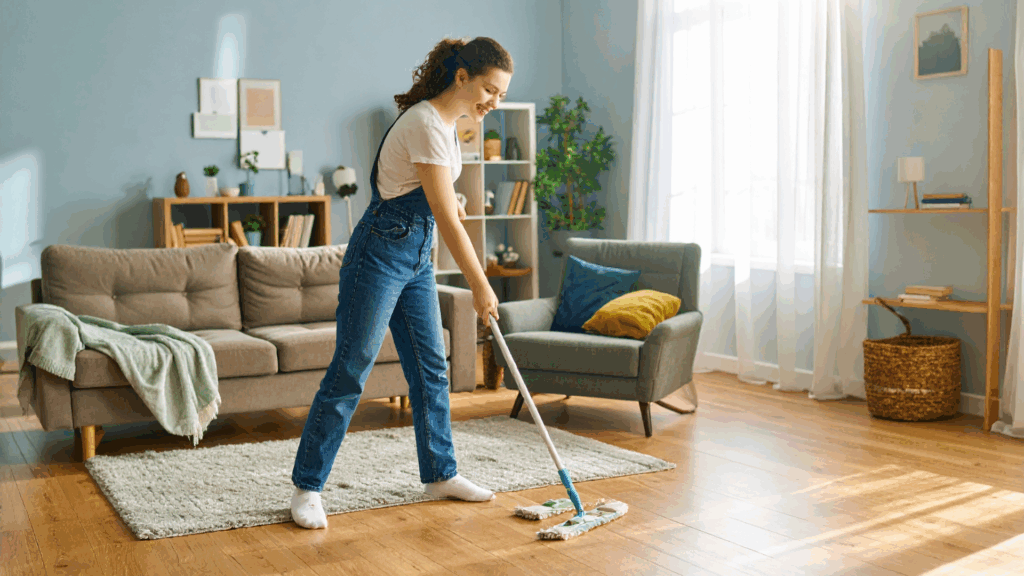
That’s exhausting, and it doesn’t work. When the bar is impossibly high, you never clear it.
A tidy-enough home that supports your mental health matters more than an Instagram-worthy space that drains your energy. Once I accepted that, cleaning became less about achieving some perfect standard and more about creating calm in my daily life.
The Problem Isn’t You—It’s Your System
Here’s something cleaning experts emphasize: if you can’t keep your home tidy, it’s probably not a character flaw. It’s usually a system problem.
Think about it. Relying on motivation is like trying to save money without a budget—it might work on good days, but it falls apart the moment life gets hard.
A simple, predictable routine that happens most days beats waiting for the energy or inspiration to clean. When you remove the decision-making from the process, you also remove most of the resistance.
My Bare Minimum Daily Routine
On the days I genuinely don’t have it in me, this is all I ask of myself:
Three non-negotiable tasks:
- Get the dishes done (or at least loaded into the dishwasher)
- Run one load of laundry from start to finish
- Do a quick 5-10-minute tidy, putting things back in their “homes.”
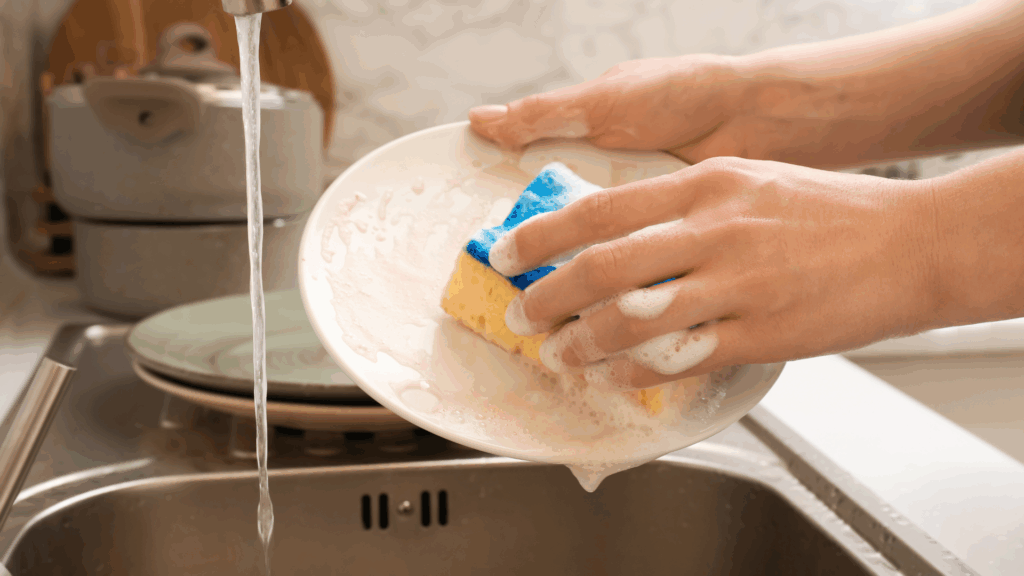
That’s it. No deep cleaning, no reorganizing entire rooms, no pressure to scrub floors or dust shelves. Just these three things keep the house from spiraling into chaos.
Most days, I can manage this even when I’m running on fumes. And honestly? Once I start, I usually do a little more because the momentum kicks in.
Time-Limited Bursts Make Everything Easier
The secret weapon in my cleaning routine is the timer. I set it for 5, 10, or 15 minutes and work until it goes off.
Why does this work so well? Because there’s a clear endpoint, and that makes starting way less scary.
On really tough days, I tell myself I only have to clean for five minutes. If I want to stop after that, I can. Most of the time, I keep going, but knowing I can stop makes it easier to begin in the first place.
Here’s my go-to 15-minute reset when the house feels out of control:
- First 5 minutes: Grab all trash and dishes from the main areas and deal with them
- Next 5 minutes: Clear and wipe one key surface (kitchen counter or coffee table)
- Final 5 minutes: Quick floor check—spot sweep or vacuum only the high-traffic paths
This tiny routine makes the whole house feel significantly tidier, even though I’ve barely scratched the surface. Fast, visible wins reduce overwhelm and give you that little hit of accomplishment that makes the next task easier.
Focus on One Room or One Surface
When everything feels overwhelming, trying to tackle the whole house guarantees you’ll shut down before you start. Instead, pick one room or even just one surface.
I usually start with the bedroom. Making the bed and picking up clothes takes three minutes, but it shifts the energy of the entire space. Walking into a somewhat tidy bedroom at the end of the day is much better than facing a disaster zone.

Or sometimes I zero in on the kitchen counter. That one surface staying clear makes the whole kitchen feel under control, even if the rest needs work.
One room, one surface, one small win. That’s all you need on low-motivation days.
Make It Easier Than Not Doing It
I’ve learned that willpower is overrated. What actually works is making tidying so frictionless that it’s easier to do than to skip.
Give everything a “home.” When items have a designated spot, tidying becomes simple: just put things back. No standing around wondering where something should go, no decisions to make when you’re already tired.
I keep a basket on each floor of my house for this exact reason. Anything that needs to go upstairs or downstairs gets tossed in the basket, and once a day (usually before bed), I take two minutes to return everything to its proper place.
Low-friction tools make all the difference. A cleaning caddy that lives under the sink means zero setup time when you want to wipe down a counter. A small handheld vacuum in the main living area makes quick pickups effortless.
Attach Cleaning to Existing Habits
The routines that stick are the ones you don’t have to remember to do. I’ve built tiny cleaning tasks into things I’m already doing every day.
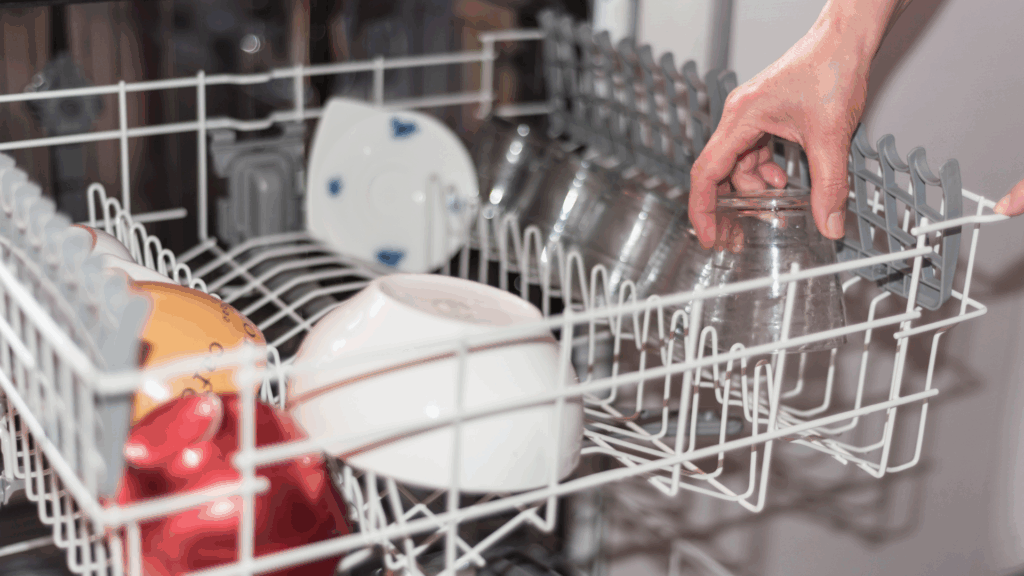
While my coffee brews in the morning, I unload the dishwasher. While dinner cooks, I wipe down the counters and clear the table. Before bed, I do a 10-minute pickup, so I wake up to a calmer space.
These habit stacks work because they require zero extra motivation. I’m already making coffee—I might as well empty the dishwasher while I wait. The work gets done almost automatically.
Drop the All-or-Nothing Thinking
Many people stall on cleaning because they think they need to commit to a full-house deep clean. But here’s the truth: five minutes count—one drawer counts. One cleared surface counts.
Doing a little bit regularly is easier than waiting until the mess is entirely out of control. Keeping your home 20% messy takes way less effort than waiting until it’s 90% dirty and then trying to tackle everything at once.
I had to remind myself of this constantly at first. Now it’s automatic: small maintenance beats big overwhelm every single time.
Choose Your “Only Three Things” and Stick With Them
This strategy changed everything for me. I picked the three tasks that, if completed, make my home feel acceptable to me:
- Empty sink
- Clear kitchen counters
- Shoes and coats put away
That’s my list. Yours might be different—maybe it’s beds made, floors swept, and the living room picked up. The specific tasks don’t matter as much as keeping them consistent.

When these same three things happen most days, they become automatic. You stop having to think about them, which means they take less mental energy to start.
Decluttering as an Energy Investment
This seems counterintuitive when you’re already low on energy, but light decluttering makes future tidying easier—fewer things to move, fewer decisions to make, less surface area to clean.
I’m not talking about a massive decluttering overhaul. Just regularly removing duplicates, things you haven’t used in months, or items that only collect dust makes a real difference over time.
Think of it as an investment that pays off in less cleaning and less mental load later. Every item you remove is one less thing you’ll have to deal with on your next low-motivation day.
Be Kind to Yourself About Rest and Seasons
Some days, weeks, or even months are just harder. Illness, busy seasons, new babies, grief, winter blues—these are all valid reasons to give yourself grace.

Shaming yourself for not doing enough never helps. In fact, it makes it harder to do even a little because you’re carrying the weight of guilt on top of everything else.
When I’m struggling, I focus on maintaining just one spot that causes the most daily friction. For me, that’s the kitchen sink. If I can keep that clear most days, I’m doing enough until things get easier.
Final Thoughts on Tidying
Keeping a tidy home when you don’t feel like cleaning isn’t about finding motivation or becoming a different person. It’s about building systems that work even when you’re tired, overwhelmed, or just done with everything.
Small, realistic routines protect your time, energy, and mental health. They also save money in the long run—less stress from shopping to cope with chaos, fewer things lost in clutter that you have to replace, and more peace in your daily life.
On your worst days, remember: good enough is good enough. The goal isn’t perfection—it’s a home that supports you, not one that drains you.