
The $20 Grocery Reset: 5 Meals from the Back of My Pantry
Ever stand in your kitchen staring at a nearly empty fridge, convinced you need a massive grocery haul? Here’s what you actually need: one good look at what’s already hiding in your pantry and exactly $20.
That’s it.
Most of us have way more food than we think. It’s just pushed to the back of cupboards, buried in the freezer under mystery bags, or sitting in cans we bought six months ago and forgot about. When money’s tight, a pantry reset beats a big shopping trip every single time.
Why Reverse Meal Planning Works When You’re Broke
Traditional meal planning starts with recipes, then creates a shopping list. Reverse meal planning flips that completely on its head. You start with what you already own, then spend the bare minimum to fill the gaps.
Think of it as a mini pantry challenge. Instead of dropping $150 at the grocery store, you’re using forgotten items and adding just $20 worth of fresh basics to round things out.
The beauty here is simple: you’re not letting perfectly good food go to waste while simultaneously blowing your budget on duplicates. You’re being resourceful with what you’ve already paid for.
What’s Probably Already in Your Pantry
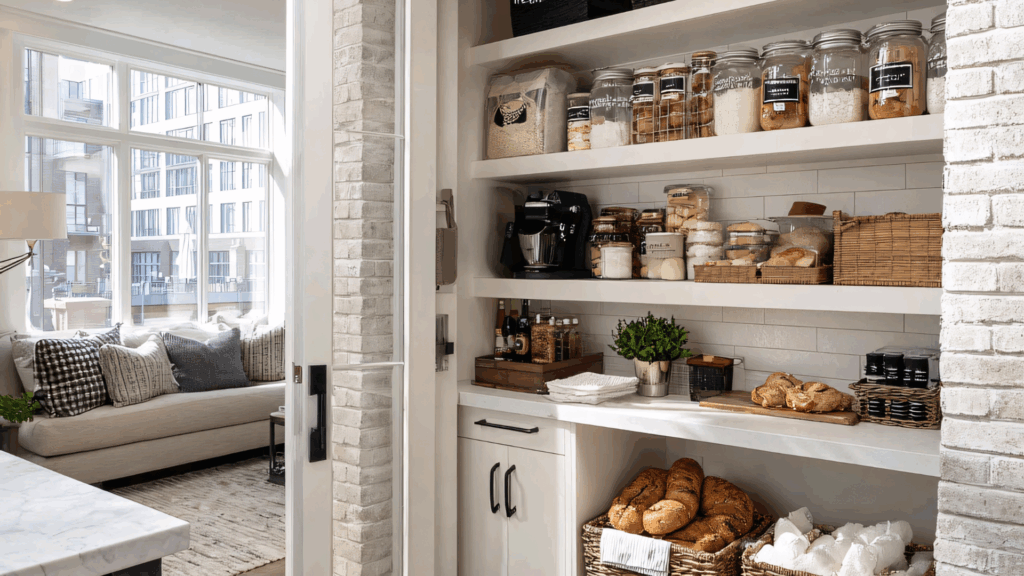
Before you panic about having “nothing to eat,” take an actual inventory. Most kitchens contain more meal-making power than their owners realize.
Common pantry staples that stretch meals:
- Rice, pasta, or other grains
- Canned tomatoes and tomato sauce
- Canned or dried beans and lentils
- Flour and baking basics
- Oats for breakfast
- Canned vegetables
- Canned tuna or chicken
- Peanut butter
- Bouillon cubes or broth
- Basic spices and seasonings
Freezer finds that count as ingredients:
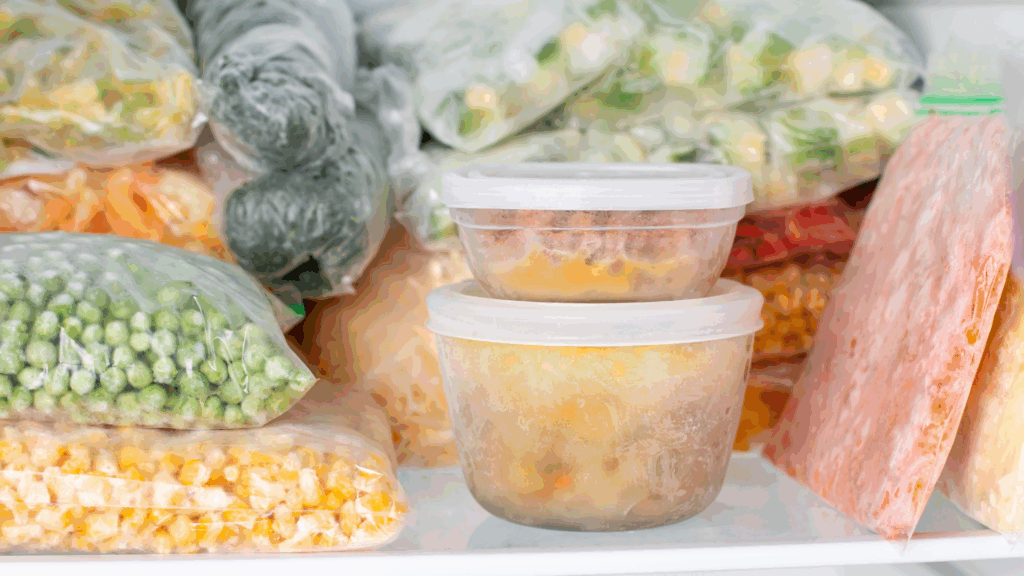
- Frozen vegetables (even the bags you opened once)
- Any meat, even small amounts
- Bread products or buns
- Leftover rice or cooked pasta you froze
- Random odds and ends from previous meals
If you’ve got even half of these things, you’re further along than you think. The pantry reset isn’t about having a fully stocked kitchen. It’s about recognizing that what you do have can become actual meals with just a little creativity.
How to Spend Your $20 Wisely
That $20 isn’t going toward fun extras. It’s strategic spending to fill genuine gaps and make your pantry staples actually work.
Focus on these categories:
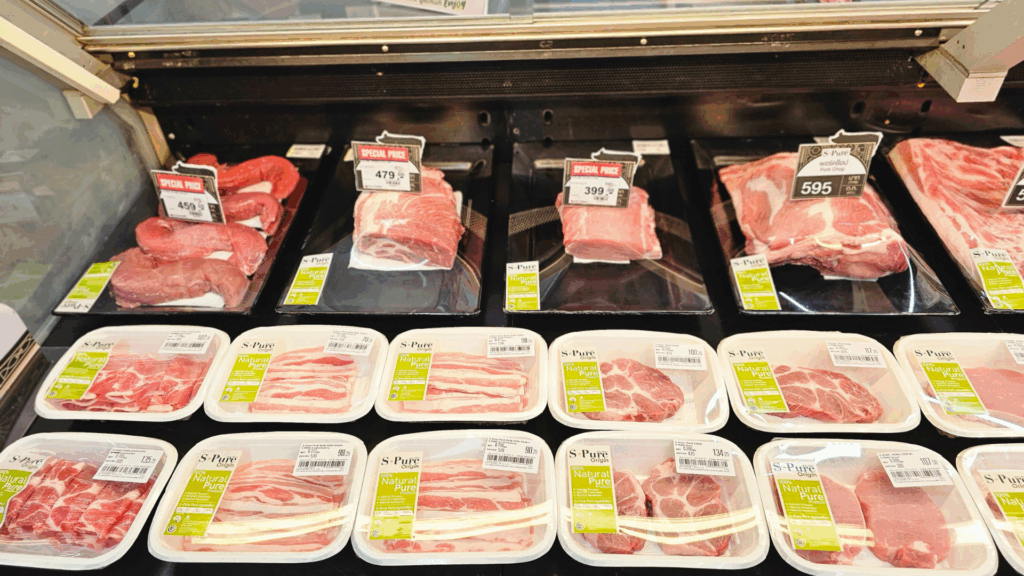
Protein: A small pack of chicken thighs, drumsticks, or ground meat gives you options. These are among the cheapest proteins per pound, and a little goes a long way when you’re bulking up meals with beans, rice, and vegetables.
Eggs and dairy: Eggs are breakfast, dinner, and baking all in one. Grab a dozen eggs and either milk or plain yogurt to support multiple meals throughout the week.
Fresh produce: A bag of potatoes and either carrots or cabbage will stretch soups, stews, and casseroles. These vegetables are cheap, last forever, and add serious bulk to budget meals.
One flavor maker: Spend a couple of dollars on shredded cheese or sour cream. These small additions make budget meals feel less like punishment and more like actual food you want to eat.
Skip anything fancy. Skip pre-packaged convenience foods. This $20 is for functional ingredients that work across multiple meals, not single-use items that serve only one purpose.
5 Real Meals You Can Make Right Now
These aren’t Pinterest-perfect recipe cards. They’re realistic meal templates you can adapt to whatever you actually have in your kitchen. Use what you have, swap freely, and don’t stress about exact measurements.
Meal 1: Big Pot of Bean and Tomato Soup
Start with canned beans (any kind), canned tomatoes, and whatever pasta or rice is sitting in your cupboard. Add dried onion flakes or a real onion if you grabbed one with your $20. Season with what you’ve got—garlic powder, Italian seasoning, salt, and pepper all work.
This makes enough for multiple meals. Serve it with any bread or toast you have lying around. If you bought potatoes with your $20, dice one up and throw it in for extra substance.
Meal 2: Tuna or Canned Chicken Casserole
Mix your canned protein with cooked pasta or rice. Add any frozen or canned vegetables. Make a simple white sauce using butter, flour, and milk (or skip the sauce and just use a bit of mayo and chicken broth to hold it together).
Top with crushed crackers or breadcrumbs if you have them. Bake until hot. This is comfort food that costs almost nothing and uses ingredients most people already own.
Meal 3: Loaded Baked Potatoes
Bake potatoes from your $20 haul. Top them with anything substantial you’ve got—leftover chili from the freezer, heated beans, sautéed frozen vegetables, tuna mixed with mayo, or shredded cheese.

These work as both sides and main dishes. When you load them up properly, baked potatoes are surprisingly filling and genuinely satisfying.
Meal 4: Breakfast for Dinner
Make pancakes or waffles from pantry staples: flour, eggs, milk, and oil. Serve them with whatever you’ve got—syrup if you have it, peanut butter if you don’t.
Alternatively, do eggs on toast with a side of hash-style potatoes (diced and pan-fried) or frozen vegetables heated up. Breakfast for dinner is budget-friendly, quick, and uses the most basic ingredients imaginable.
Meal 5: One-Pot Rice or Pasta Skillet
Combine a small amount of your $20 meat (or canned beans), rice or pasta, canned tomatoes, frozen vegetables, and spices into one skillet. Cook it all together until everything’s heated through and the grains are done.
This is the ultimate “clean out the kitchen” meal. It’s flexible, filling, and uses tiny amounts of everything to create one cohesive dish.
Making Your Pantry Challenge Actually Work
Here’s the thing about pantry challenges: they fail when people treat them like a form of deprivation rather than a source of creativity. You’re not punishing yourself for being broke. You’re being smart with resources you’ve already got.
Keep a “use soon” list. Write down the aging canned goods, the freezer items you keep ignoring, and the produce that needs to be eaten. Put it somewhere you’ll actually see it, like on the fridge. This prompts you to use things up instead of buying duplicates.
Plan one freezer clean-out meal per week. Dedicate at least one dinner to using whatever’s been sitting in the freezer longest. You’ll be surprised by what you can combine once you permit yourself to get creative.
Think templates, not recipes. Each base idea—soup, casserole, loaded potato, breakfast for dinner, one-pot skillet—is just a framework. Swap ingredients based on what your specific pantry looks like. There’s no wrong answer here.
Connect it to bigger goals. Maybe this pantry reset is about paying down debt, building emergency savings, or just making it to next payday without stress. Tie your short-term challenge to your longer-term money goals. It makes the effort feel purposeful instead of desperate.
Final Thoughts on Grocery Resets
Plenty of people run no-spend or ultra-low-spend grocery weeks and surprise themselves with how many meals emerge from “nothing.” The key is getting past that first mental hurdle of thinking you need a full cart to make dinner happen.
You don’t need fancy ingredients. You don’t need new recipes. You need to use what you already paid for before it goes bad or gets forgotten.
A $20 grocery reset isn’t about living like this forever. It’s about recognizing that when money’s tight, creativity beats convenience every single time. Your pantry has more potential than you think. Your budget will thank you for figuring that out.