
How to Build a 3-Month Stockpile—Even on a Tight Budget
You know that feeling when a snowstorm hits, and you realize you’re three days away from living on ketchup packets and stale crackers? Or when an unexpected car repair wipes out your grocery budget, and you’re scrambling to figure out what’s for dinner? A well-stocked pantry isn’t just for doomsday preppers—it’s a smart financial buffer that can save you from emergency takeout runs and last-minute grocery trips when money is tight.
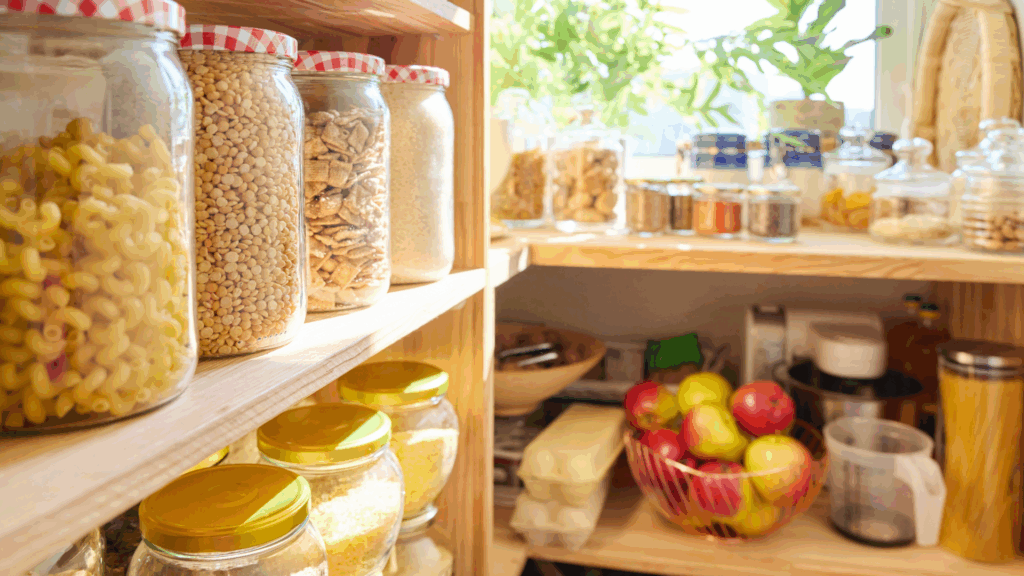
Building a 3-month stockpile might sound expensive and overwhelming, but here’s the truth: you don’t need a massive budget or a basement full of freeze-dried meals. You just need a plan, a small amount of extra money each week, and the willingness to build it slowly. Think of this as creating a backup pantry filled with foods you actually eat, bought at the best prices, one sale at a time.
Why a 3-Month Stockpile Makes Sense (Even When You’re Broke)
Let’s get honest about what a stockpile actually does for your family. This isn’t about preparing for the apocalypse. This is about creating breathing room in your budget and reducing the stress that comes with food insecurity.
When you have a well-stocked pantry, you’re not making emergency runs to the corner shop where everything costs twice as much. You’re not ordering pizza because you “have nothing to eat.” You’re not panicking when payday is three days away, and the fridge is looking sad.
A stockpile gives you options. Bad weather keeping you home? Unexpected medical bill eating your grocery money? Kids going through a growth spurt and eating everything in sight? You’ve got backup. That peace of mind is worth more than the money you’ll save on avoiding expensive emergency meals.
The key is shifting your mindset from “I need to stockpile $2,000 worth of food right now” to “I’m going to add a few extra items to my cart each week until I have a solid backup.” Small, consistent actions add up faster than you think.
Start Small and Build Gradually
Here’s where most people get overwhelmed and quit before they start. They look at guides saying “you need 90 days of food” and immediately calculate the enormous cost. Then they do nothing because it feels impossible.
Stop right there. You’re not building this overnight.
Start with a goal of having just one extra week of food on hand. Once you hit that milestone, aim for two weeks. Then push to a month. Eventually, you’ll reach three months—but you’ll do so in stages your budget can handle.
Think about what your family typically eats in one week. Write it down. That’s your baseline. Now multiply that by 12 to estimate what you’d need for three months. Don’t panic at that number—you’re not buying it all at once.
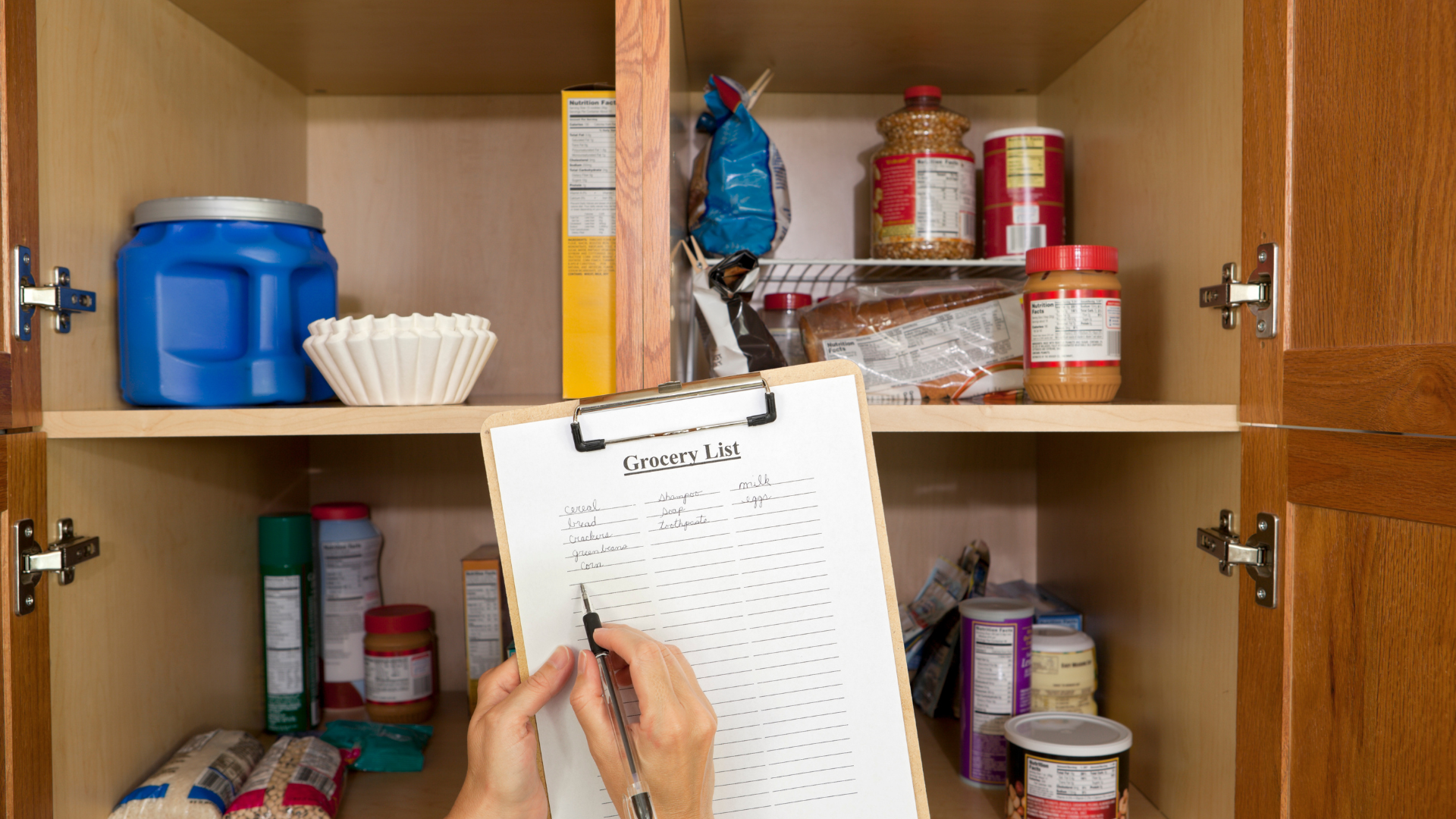
Most families already have more food on hand than they realize. Before you buy anything, take inventory of your pantry, freezer, and even your bathroom and cleaning supplies. You might discover you’re already a week or two ahead with what’s sitting in your cupboards right now.
Set a Realistic Stockpile Budget
This is where the rubber meets the road. You can’t build a stockpile without dedicating some money to it, even if it’s just £5 or $10 a week.
Review your current grocery budget and identify a small amount to set aside specifically for stockpiling items. Maybe it’s £10. Maybe it’s £20. Perhaps some weeks it’s only £5. Whatever you can consistently spare becomes your stockpile fund.
Treat this money like a bill. It doesn’t go toward regular weekly groceries. It doesn’t go toward impulse buys. It’s dedicated to building your backup pantry, period.
Here’s the beautiful part: when you commit to shopping for sales and clearance items for your stockpile purchases, even £10 goes surprisingly far. You’re not buying everything at full price. You’re watching for markdowns, loss leaders, and the best deals on items that fit your family’s eating habits.
Keep a price list for your most-used items so you know a good deal when you see one. Shop with cash for your stockpile budget to avoid overspending. Focus on stores with the best prices, not convenience—this is about maximizing every pound.
If you want to accelerate your stockpile building, look for ways to free up extra money. Try a no-spend week and put the savings toward stockpile purchases. Cut one subscription this month and redirect that money to buying rice, pasta, or canned goods. Small sacrifices now create security later.
Build Your List Around What You Actually Eat
This is where people waste money. They buy foods they think they “should” stockpile, rather than foods their family will actually eat.
Your stockpile should be an extension of your regular grocery shopping, not a collection of random survival foods gathering dust in the back of the cupboard. If your kids won’t eat lentils now, they won’t eat them when the power goes out.

Take a week to track precisely what your family consumes. What do you cook for dinner? What do the kids grab for snacks? What ingredients do you use repeatedly in your recipes? That’s your stockpile shopping list.
Focus on versatile staples that appear in multiple meals—rice pairs with everything. Pasta sauce makes countless dinners. Tinned tomatoes, beans, and tuna work in dozens of recipes. Stock cubes turn water into a soup base. These flexible ingredients give you options when you’re cooking from your stockpile.
Don’t forget non-food essentials. Running out of toilet paper, sanitary products, or washing up liquid is just as stressful as running out of food. Add these to your stockpile list and grab extras when they’re on sale.
Budget-Friendly Staples That Last
When you’re stockpiling on a tight budget, you need foods that check three boxes: cheap, nutritious, and long-lasting. Here’s where to focus your money.
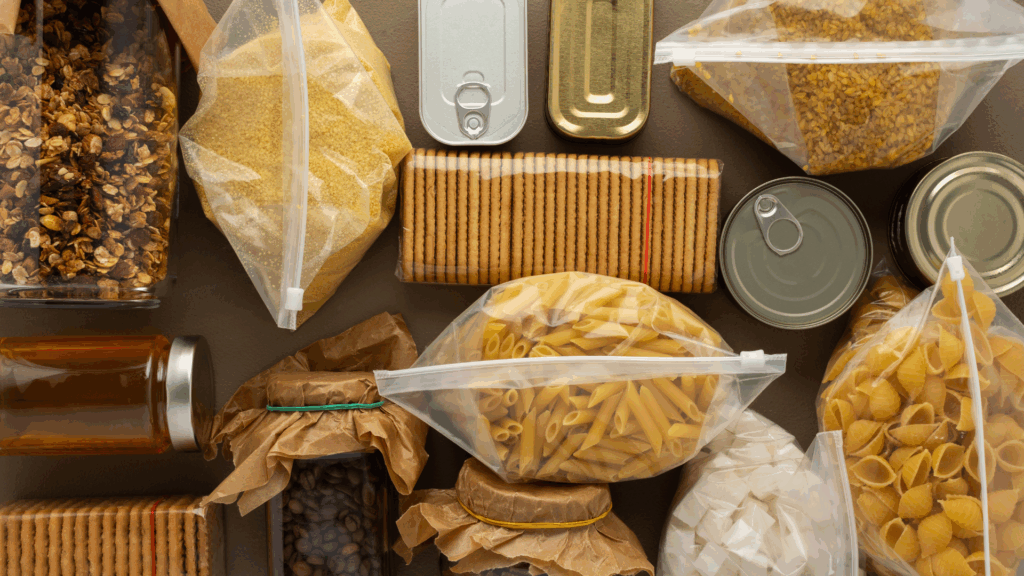
Carbohydrates form the foundation. Rice, pasta, oats, and flour can be stored for months and cost pennies per serving. Add potatoes (or instant mashed potatoes for more extended storage), crackers, and even popcorn kernels. These bulk-out meals keep bellies full without breaking the bank.
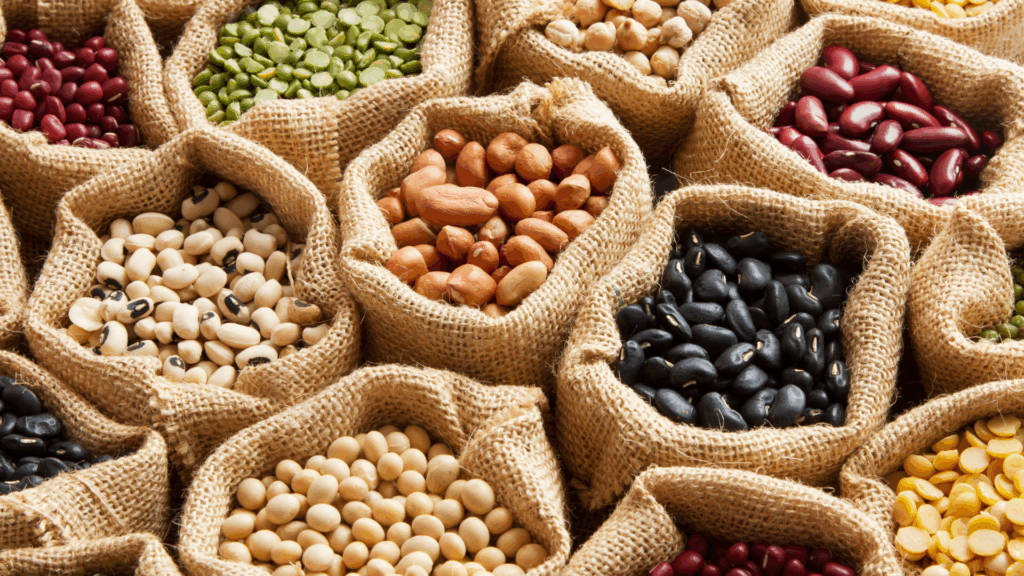
Protein doesn’t have to be expensive. Dried beans and lentils are incredibly cheap and last for years. Tinned fish like tuna and sardines provide a quick source of protein. Peanut butter works for sandwiches and snacks. Tinned meat stretches further when mixed with rice or pasta. If you use eggs frequently, just make sure you rotate them, since they don’t last as long as shelf-stable options.
Vegetables and fruits matter, even in a stockpile. Tinned tomatoes are a kitchen workhorse—they’re the base for pasta sauce, curry, soup, and countless other dishes. Stock up on tinned mixed veg, sweetcorn, green beans, and whatever your family actually eats. Passata, tomato paste, and tinned fruit round out your options. If you have freezer space, frozen vegetables are just as nutritious and often cheaper than tinned.
Meal helpers make cooking from your stockpile easier. Stock cubes, gravy granules, pasta sauce, curry sauce, and tinned soup turn basic staples into actual meals. These are the items that prevent stockpile fatigue and keep your family from complaining that “everything tastes the same.”
Start with one category per week. This week, buy extra rice and pasta. Next week, grab a few tins of beans and tomatoes. The week after, stock up on whatever’s on sale. This piecemeal approach keeps your regular grocery budget intact while slowly building your reserves.
Store It Safely and Rotate Regularly
Having a stockpile won’t help if the food goes bad before you use it. The golden rule is simple: store what you eat, eat what you store.
This isn’t a museum collection. Your stockpile should be living and breathing, constantly rotating through your kitchen. When you buy new items, push the older ones to the front. Use those first. This is called first-in, first-out rotation, and it prevents waste.
Label everything with the date you bought it. A simple marker on the lid or a piece of masking tape works fine. When you’re deciding what to cook, grab items from your “use this first” section.
Keep a basic inventory if it helps you stay organized. This doesn’t have to be fancy—a simple list on your phone or a notebook works perfectly. When you use the last tin of something, add it to your shopping list for the next stockpile purchase.
Don’t have a pantry or much storage space? Get creative. Under-bed storage boxes can hold tinned goods. A small shelving unit in a bedroom closet becomes your mini shop. Even space under the stairs works. You don’t need a dedicated room—just a few square feet of organized storage.
Check your stockpile every few months. Look for dented tins, items approaching expiration, or anything that needs to be used soon. Plan meals around these items to keep everything fresh and rotating.
Keep Building With Small, Consistent Habits
Once you have your system in place, the secret to maintaining and growing your stockpile is consistency. Small habits repeated over time create impressive results.
Every shopping trip, add two extra tins of something your family uses regularly. Just two. It barely impacts your budget but compounds quickly. After a month of weekly shopping, that’s eight extra items. After three months, you’ve added nearly 25 items without feeling the pinch.
Focus heavily on sale shopping for stockpile items. When pasta goes on clearance, buy five boxes instead of one. When tinned tomatoes are half price, grab ten. Your stockpile budget stretches much further when you’re strategic about sales.
Use batch cooking to your advantage. When you make a big pot of soup or chili, freeze half. When you roast a whole chicken, use the bones for stock. These practices naturally build your reserves while reducing daily cooking stress.
Try low-spend weeks periodically, where you challenge yourself to eat primarily from your stockpile. These weeks serve two purposes: they rotate your stock, and they free up grocery money that can go right back into buying more stockpile items.
Watch for seasonal patterns. Stock up on baking supplies before the holidays when they’re cheap. Buy tinned goods during back-to-school sales. Grab soup ingredients when autumn sales hit. Paying attention to these cycles helps you buy at the lowest prices.
Your Stockpile, Your Way
Building a 3-month food stockpile on a tight budget isn’t a sprint—it’s a marathon run at a comfortable pace. You don’t need hundreds of pounds upfront or a huge storage space. You just need to commit to adding a little bit each week, shopping smart, and focusing on foods your family actually eats.
Start with one week’s worth of extra food and build from there. Carve out even £5 a week for stockpile purchases. Buy what’s on sale and what you’ll actually use. Rotate everything so nothing goes to waste. These simple strategies, practiced consistently, create a robust backup pantry that protects your budget and reduces stress.
The families who succeed at stockpiling aren’t the ones with massive budgets or perfect organization systems. They’re the ones who take small, imperfect action week after week until their cupboards are full and their minds are at ease.
Ready to get started? Take inventory of what you already have, decide on your weekly stockpile budget, and add just two extra items to your next shopping trip. You’re not preparing for disaster—you’re creating security, one tin at a time.