
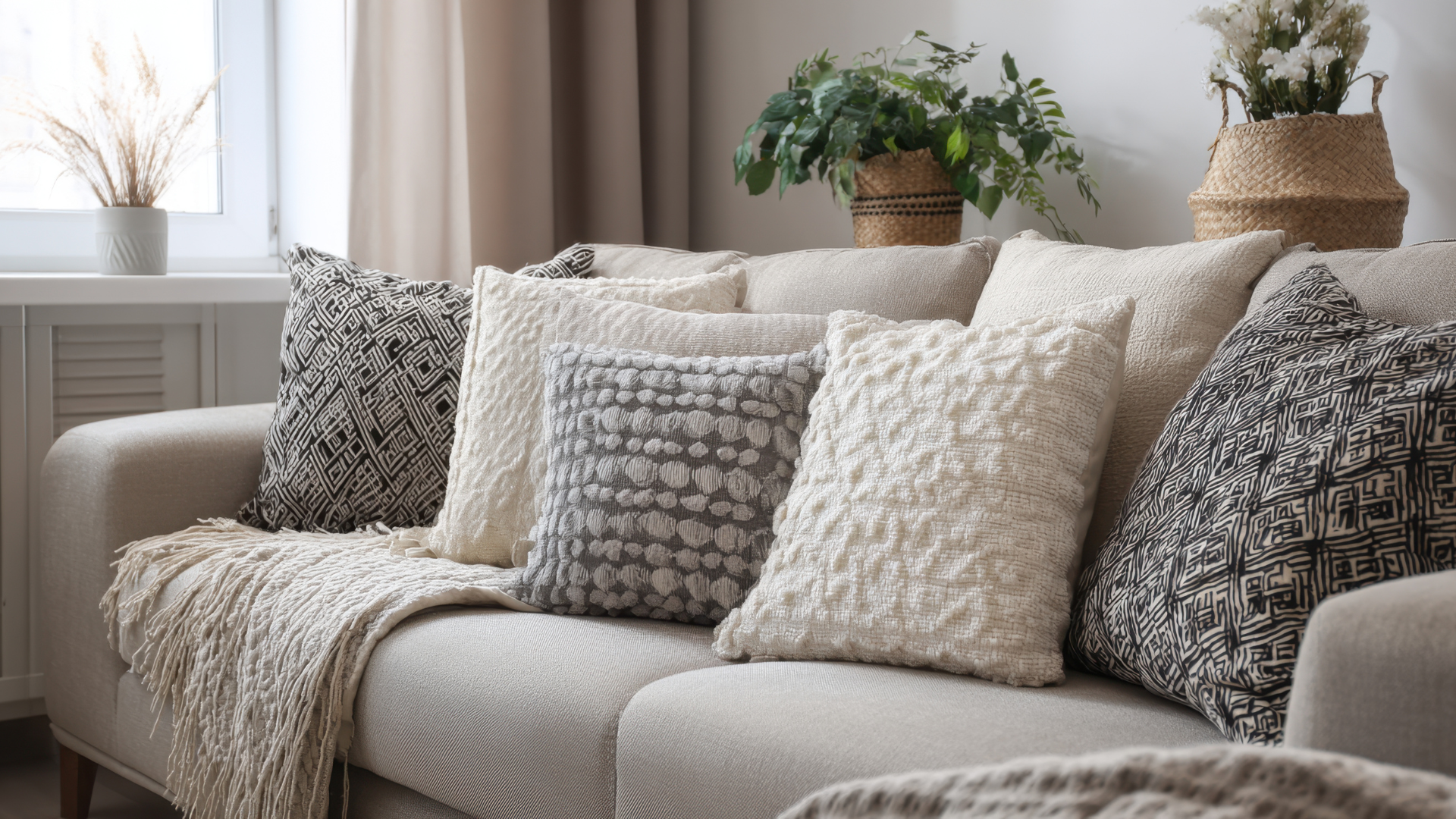
The Art of Cozy Minimalism: How to Have Less Stuff and More Warmth
You’ve probably seen those perfectly styled minimalist homes online. Every surface is clear, the walls are stark white, and there’s not a throw pillow in sight. They look elegant, sure, but they also look cold, like a place where you’d be afraid to actually sit down and relax.
Here’s the truth: minimalism doesn’t have to mean living in a sterile showroom. You can absolutely have fewer possessions while still creating a home that wraps around you like a warm hug. That’s what cozy minimalism is all about—keeping the simplicity and calm of minimal living while layering in the textures, warmth, and comfort that make a space feel truly lived-in.
What Is Cozy Minimalism, Anyway?
Think of cozy minimalism as minimalism’s softer, friendlier cousin. You still keep only what adds value to your life, but you’re not stripping everything down to the bare bones. Instead, you’re choosing fewer, better things that serve double duty: they’re both functional and comforting.
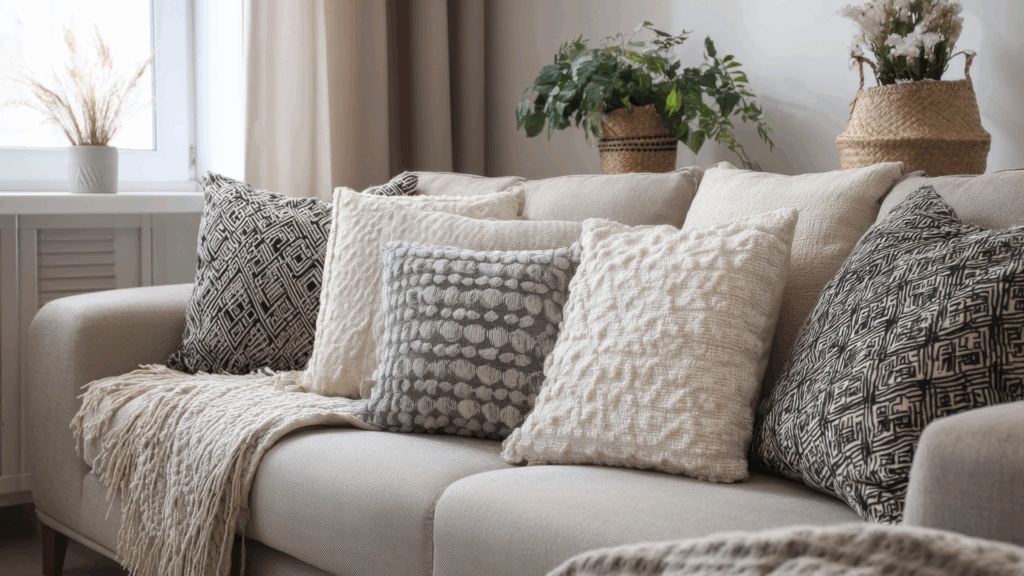
The goal is intentional living without sacrificing emotional warmth. Your home should breathe—plenty of open space, clear surfaces, simple lines—but it should also welcome you in at the end of a long day. No museum vibes here.
Start With Less (Really Less)
Before you can create cozy minimalism, you need to minimize. This is the hard part for a lot of us, but it’s also the most freeing. Go through each room and ask yourself: Does this thing make my life easier, more beautiful, or more comfortable? If it’s just taking up space out of guilt or habit, it’s time to let it go.
Once you’ve cleared out the excess, you’ll find it’s much easier to see what your space actually needs. You might realize that one beautiful, substantial piece of art has a greater impact than three smaller ones. Or that your favorite cozy blanket deserves a spot on the couch instead of buried in a closet behind four others you never use.
The “less is more” philosophy works when what remains truly matters to you. Quality over quantity isn’t just a cliché—it’s how you create a space that feels both uncluttered and inviting.
Texture Is Your Best Friend
Here’s where cozy minimalism really shines: texture. When you’re working with fewer items and a simpler color palette, texture is what keeps everything from looking flat and dull. And the best part? Adding texture doesn’t mean adding clutter.
Think about layering different materials throughout your space. A chunky knit throw over your couch, a wool rug underfoot, linen curtains at the windows, a woven basket for storing blankets. These pieces add visual interest and warmth without creating visual noise. Your eye moves from one soft, natural element to another instead of jumping around trying to process a bunch of small objects.
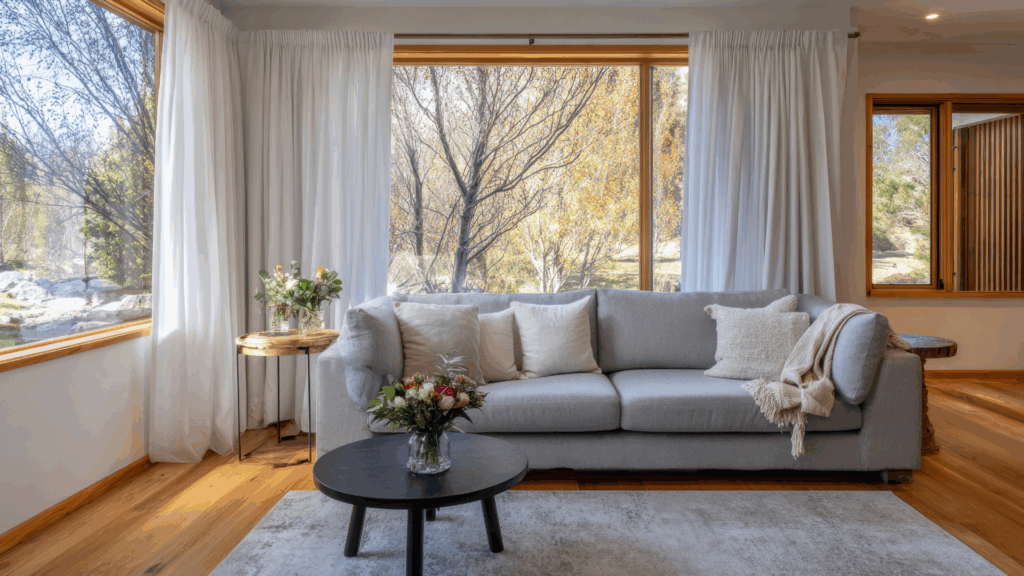
Natural materials work exceptionally well for this. Wood furniture, stone accents, jute rugs, ceramic vases—they all bring an organic warmth that synthetic materials just can’t match. Look for pieces with visible grain, weave, or texture rather than perfectly smooth surfaces.
The Right Colors Make All the Difference
Color might seem like a minor detail, but it can significantly impact whether your minimalist space feels cozy or cold. Stark white walls and cool gray furniture can make a room feel like a doctor’s office. Warm neutrals, on the other hand, create a soft backdrop that feels instantly more welcoming.
Stick with a tonal palette of creams, beiges, soft taupes, warm whites, and gentle earth tones like terracotta or sage. These colors work together harmoniously, making rooms feel both airy and grounded. The key is keeping everything in the same warm family—no jarring contrasts or busy patterns to disrupt the calm.
If you want to introduce color, do it through one or two carefully chosen accent pieces rather than spreading it throughout the room. A rust-colored pillow, a soft olive throw, or a terracotta planter can add personality without overwhelming the space.
Soften Those Hard Lines
Minimalist design often emphasizes clean, straight lines and right angles. That’s great for creating visual order, but too many hard edges can make a space feel rigid. The solution? Mix in some organic, curved shapes to soften things up.
Look for furniture with rounded edges—a curved armchair, a round coffee table, or a lamp with a soft dome shade. Handmade ceramics with irregular shapes, a round mirror, or even a plant with graceful, arching leaves can break up all those straight lines and make the room feel more relaxed and approachable.

These curved elements create visual breathing room and make the space feel more human. After all, nature doesn’t do straight lines, and neither should every piece in your home.
Light It Right
This is where so many minimalist spaces go wrong. One harsh overhead light does not create a cozy atmosphere, no matter how carefully you’ve curated everything else. The secret to cozy lighting is layering multiple sources at different heights and intensities.
Instead of relying on ceiling lights, use a combination of floor lamps, table lamps, and even wall sconces to create pools of warm light throughout the room. Choose bulbs with a warm color temperature (look for 2700K-3000K on the package) rather than cool white or daylight bulbs. The difference is dramatic—warm lighting makes everyone and everything look better.
Candles are your friend here, too. They’re incredibly affordable and instantly create ambiance. Even unlit, a few candles grouped together add a cozy touch to a coffee table or shelf. For budget-friendly options, check discount stores or make your own using mason jars and tea lights.
Don’t forget natural light, either. Keep window sills clear and use sheer curtains that filter light gently rather than heavy drapes that block it out. A mirror placed across from a window can bounce light around the room, making the space feel larger and brighter without adding any clutter.
Strategic Storage Keeps It Clean
One of the biggest challenges of cozy minimalism is keeping everyday life from taking over your carefully curated space. You need places for your stuff, but you don’t want storage solutions that look cluttered themselves. The answer is fewer, larger storage pieces that blend into your decor.
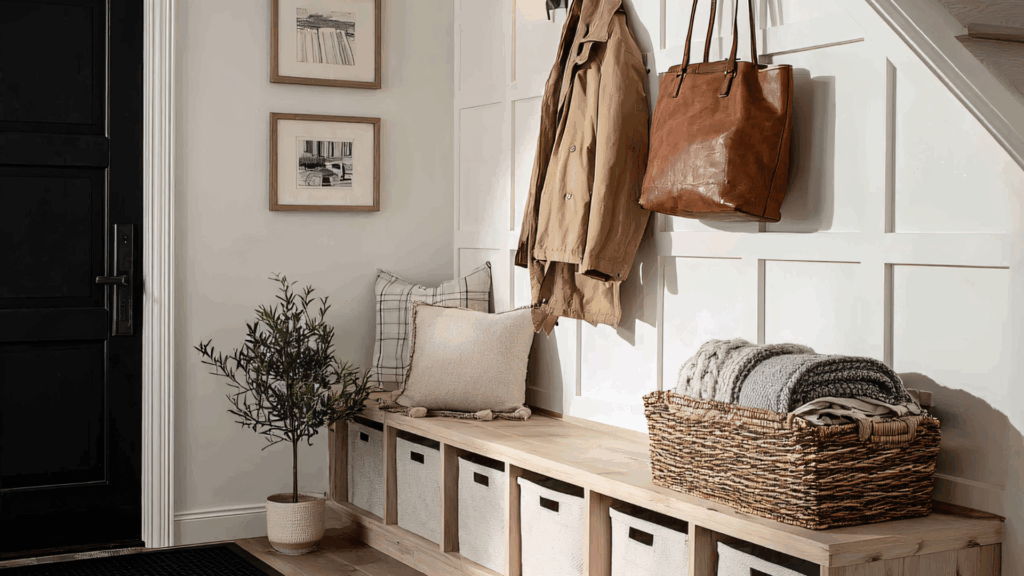
Woven baskets are perfect for this. They hide things like extra blankets, magazines, or kids’ toys while adding texture and warmth to the room. Choose baskets large enough to hold what you need without stacking multiple small ones—one substantial basket looks intentional, while five small ones look messy.
Closed storage, such as a simple cabinet or chest, can tuck away items that don’t need to be on display. The key is choosing pieces that are beautiful enough to be part of your decor, not just functional boxes you’re trying to hide. A vintage wooden chest, for example, can serve as both a coffee table and storage for board games or extra throws.
Pick Your Moments for Personal Touches
Cozy minimalism doesn’t mean your home should look like a hotel room with no personality. It just means being more selective about what you put on display. Instead of covering every surface with framed photos, mementos, and decorative objects, choose a few meaningful pieces and give them room to breathe.
It could be one favorite family photo in a simple frame on your mantel, a piece of pottery from a trip you loved, or a stack of your most beautiful books on the coffee table. When these special items aren’t competing with dozens of other things for attention, they actually make a bigger impact.
Think about rotating what’s on display, too. You can keep other meaningful items tucked away and swap them out seasonally or when you want a change. This keeps your space from feeling stagnant while still maintaining that calm, uncluttered aesthetic.
A Few Well-Chosen Statement Pieces Go Far
In a minimalist space, each item carries more visual weight because fewer items compete for attention. This means you can make a significant impact with just a few carefully chosen pieces. One large plant in a beautiful pot, a substantial piece of art, or an oversized mirror can anchor a room and create a focal point without cluttering surfaces with smaller items.
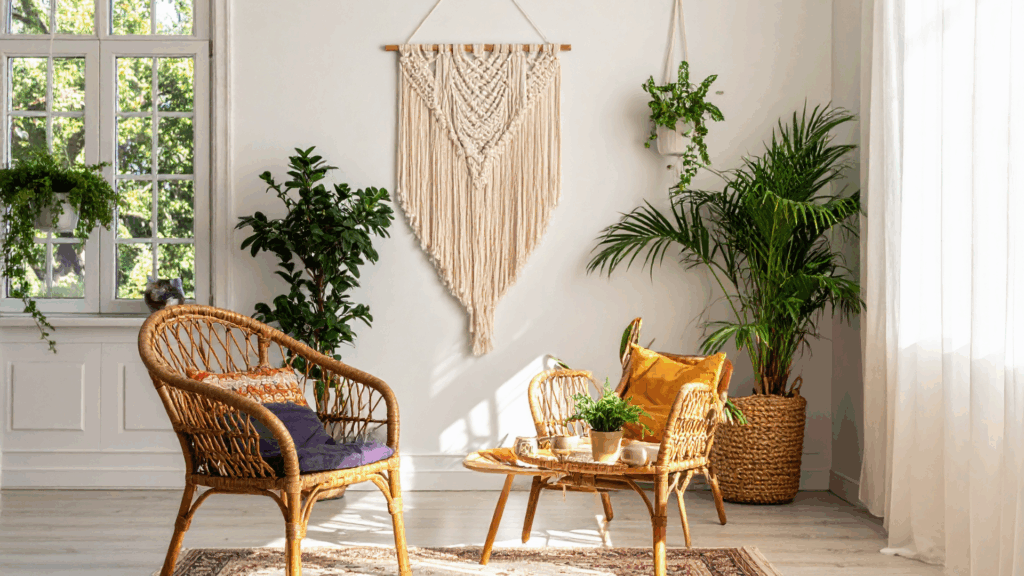
This approach is actually more budget-friendly than it sounds. Instead of buying lots of little decorative pieces that add up quickly, you can invest in one or two larger items that really matter. A beautiful floor plant might cost the same as five small tchotchkes, but it’ll have a much bigger impact on how your space feels.
Look for items that serve multiple purposes, too. A large mirror makes a room feel bigger and brighter while also being beautiful. A substantial basket can hold throws or firewood while adding texture. An oversized plant purifies the air and brings life into the space while creating a cozy, organic feel.
It’s Not About Perfection
Here’s something the Instagram photos won’t tell you: cozy minimalism is about creating a space where you can actually live, not a space you have to maintain like a museum exhibit. A few dishes in the sink, a book left open on the couch, a sweater draped over a chair—these are signs of a home that’s being used and enjoyed.
The goal is to create enough clear space and visual calm that a little bit of everyday life doesn’t throw the whole thing into chaos. When your baseline is uncluttered and intentional, the usual mess of living doesn’t feel overwhelming. You can tidy up in five minutes instead of spending hours finding surfaces under all the stuff.
Permit yourself to adjust as you go. If something isn’t working—a seating arrangement feels too sparse, or a room still feels cold despite your best efforts—change it. This is your home, not a design magazine spread. Cozy minimalism should make your life easier and more comfortable, not create new rules to stress about.
The Real Magic of Having Less
When you strip away the excess and focus on what truly adds warmth and value to your space, something interesting happens. You start to notice the things you do have more of. That soft throw becomes something you appreciate instead of just another thing on the couch. The afternoon light coming through your uncluttered windows becomes something to enjoy. The space itself becomes a source of calm rather than a to-do list of things to organize and clean.
Cozy minimalism isn’t about deprivation or following strict rules about how many items you’re allowed to own. It’s about surrounding yourself with fewer, better things that serve you well—functionally, aesthetically, and emotionally. It’s about creating a home that’s easy to maintain, pleasant to look at, and genuinely comfortable to live in.
You don’t need a huge budget or an empty house to start. Begin with one room, one surface, or even one corner. Clear it out, add back only what you love or need, layer in some soft textures and warm lighting, and see how it feels. That’s the art of cozy minimalism: less stuff, more warmth, and a whole lot more breathing room for life itself.