
Summer Meal Planning: Seasonal Foods To Save Money
Hey there, frugal friends! Summer is here, and that means farmers’ markets and grocery stores are bursting with fresh, seasonal produce at the best prices of the year. Let’s talk about how you can make the most of summer’s bounty to keep your food budget in check while eating well.
Why Seasonal Eating Saves Money

Eating seasonally isn’t just trendy—it’s smart for your wallet. When foods are in season, they’re abundant, which drives prices down. Plus, in-season produce tastes better and contains more nutrients than out-of-season options that have traveled thousands of miles to reach your plate.
Seasonal summer foods often cost 30-50% less than the same items during winter months. That’s a serious savings you can take to the bank!
Summer Staples to Look For
These summer favorites are both affordable and versatile when they’re in season:
- Tomatoes – Summer tomatoes cost a fraction of winter prices and taste infinitely better
- Zucchini and summer squash – Often dirt cheap at peak season
- Berries – Strawberries, blueberries, and blackberries hit their price low in summer
- Watermelon – Offers amazing value per pound when in season
- Corn – Can drop as low as 10¢ an ear during summer sales
- Green beans – Abundant and inexpensive from June through September
- Cucumbers – Perfect for cooling summer dishes at budget prices
- Bell peppers – Red, yellow, and orange varieties become much more affordable
Meal Planning Strategies for Summer
Planning is key to maximizing your savings. Start by checking weekly ads and farmers’ market reports to see what is most abundant (and, therefore, cheapest) each week.
Build your meal plan around these seasonal deals rather than starting with recipes. This “backwards” approach ensures you’re always cooking with the most affordable ingredients.
Don’t forget to plan for leftovers! Summer heat can make cooking feel like a chore. Cook larger batches when the kitchen is already hot, then enjoy ready-made meals on the hottest days.
Easy Summer Meal Ideas
Here are some budget-friendly meal ideas that make the most of seasonal summer foods:

Breakfast Options:
- Overnight oats topped with seasonal berries: Mix 1/2 cup of oats with 1/2 cup of milk (dairy or plant-based), add a spoonful of honey, and let it sit overnight. Top with whatever berries are cheapest that week. This recipe costs approximately $0.75 per serving, compared to $3-$4 for store-bought versions.
- A veggie-packed frittata featuring zucchini, peppers, and tomatoes: Whisk 6 eggs with a splash of milk, then pour over sautéed summer vegetables and bake until set. Cut into portions for breakfast all week. One frittata serves 4-6 people and costs approximately $1 per serving.
- Smoothies made with in-season fruits – Blend 1 cup of frozen berries (buy fresh when they’re cheap and then freeze), 1 banana, 1 cup of liquid (water or milk), and optional greens. Add a spoonful of peanut butter for staying power. Home-blended smoothies cost $1-1.50 compared to $5-7 at smoothie shops.
- Summer Fruit Parfaits: Layer plain yogurt with diced peaches or nectarines and top with a sprinkle of granola. At about $1.25 per serving, this is the perfect no-cook breakfast for hot mornings.
Lunch Ideas:
- Cold pasta salad loaded with cucumbers, tomatoes, and bell peppers: Cook 1 pound of pasta, let it cool, and then toss it with diced seasonal veggies, herbs from your windowsill, and a simple vinaigrette. This makes 6 generous servings that stay good in the fridge all week.
- Bean and Corn Salad with Lime Dressing – Mix 1 can of drained black beans with 2 cups of fresh corn kernels, diced bell pepper, and red onion. Dress with lime juice, olive oil, and a pinch of cumin. This protein-packed lunch costs about $3 for 4 servings.
- Cucumber sandwiches with herb cream cheese: Mix softened cream cheese with fresh herbs (such as dill, chives, or basil), spread it on bread, and layer with thinly sliced cucumbers. Add tomato slices when they’re in peak season. These sandwiches are cool, refreshing, and ideal for hot days.
- Summer gazpacho – Blend ripe tomatoes with cucumber, bell pepper, garlic, and a splash of vinegar for a refreshing cold soup. Serve with a slice of crusty bread. A batch costs about $4 and serves 4-6 people.
- Stuffed tomatoes: When tomatoes are at their peak, scoop out the centers and fill them with tuna salad, chicken salad, or a mixture of cooked quinoa and herbs. The tomato “bowl” makes the meal more substantial without extra cost.
Dinner Staples:
- Grilled Vegetable Platters – Brush the cheapest vegetables of the week with olive oil, season with salt and pepper, and grill until tender. Serve with a simple herb sauce made from blended fresh herbs, garlic, olive oil, and lemon juice. Add a side of cooked beans or grains to make it more filling.
- Zucchini Boats Stuffed with Rice and Beans – Halve the zucchini lengthwise, scoop out the centers, and fill with a mixture of cooked rice, beans, diced tomatoes, and cheese. Bake until tender. One zucchini yields two servings, each costing approximately $1.50.
- Fresh tomato sauce over pasta: Sauté 4 cups diced fresh tomatoes with garlic and olive oil until they break down into a sauce. Finish with fresh basil and serve over pasta. When tomatoes are in season, this sauce costs about $2, compared to $3-5 for a jar.
- Corn and bean quesadillas: Spread refried beans on a tortilla, top with fresh corn kernels and a sprinkle of cheese, fold, and cook until crispy. If reasonably priced, serve with diced fresh tomatoes and avocado. Each quesadilla costs about $1 to make.
- Summer Vegetable Stir-Fry – Quickly cook sliced zucchini, bell peppers, green beans, and any other affordable seasonal vegetables with garlic and ginger. Serve over rice with a drizzle of soy sauce. This versatile meal utilizes whatever is cheapest that week.
- Pesto Pasta with Summer Vegetables – Make pesto from basil when it’s abundant and affordable (substitute half the basil with spinach to reduce costs). Toss with pasta and steamed summer vegetables for a simple but flavorful dinner.
- Watermelon and Feta Salad – Serve as a side dish or light main course by pairing cubed watermelon with feta cheese, mint leaves, and a splash of balsamic vinegar. Add chickpeas for extra protein. This refreshing meal requires zero cooking.
Preserving the Bounty
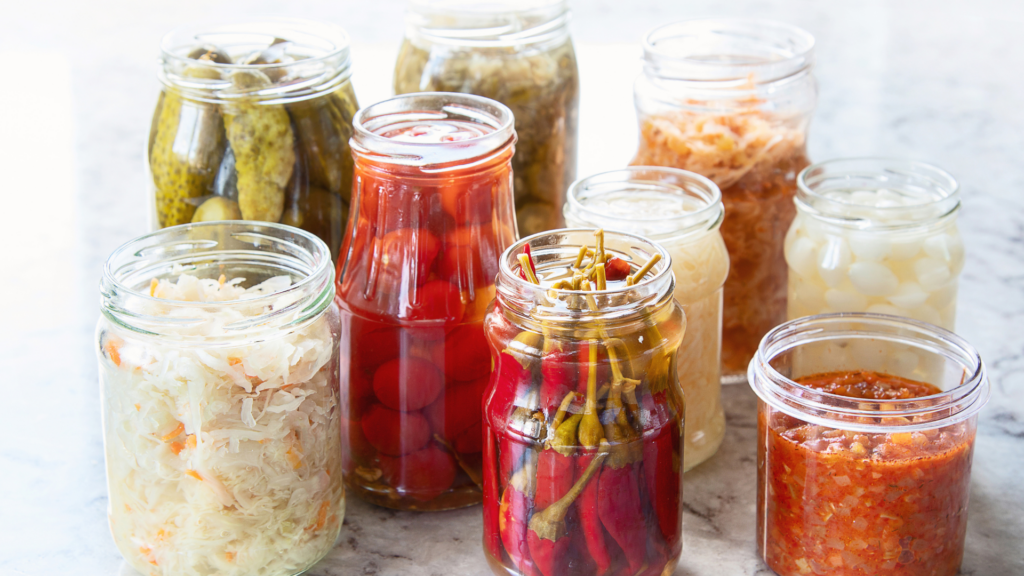
Summer’s abundance often means prices hit rock bottom for short periods. When you spot those deals, buy extra and save the rest for later!
Freezing works well for most summer fruits and vegetables. Berries, corn, green beans, and bell peppers all freeze beautifully. Just prep them properly first (blanch vegetables, slice fruits) and store in airtight containers.
Quick refrigerator pickles are another great option for cucumbers, green beans, and even watermelon rinds. They can be stored in the fridge for weeks and add flavor to meals.
Tomatoes can be frozen whole (simply wash and dry them, then freeze on a tray before transferring them to bags) or turned into a simple sauce. When winter comes and tomatoes cost three times as much, you’ll be glad you stored summer’s flavor.
Don’t forget about dehydrating! If you have an oven, you can dry fruits and vegetables on the lowest setting with the door slightly ajar. Dried zucchini chips, tomatoes, and fruits make great snacks and cooking ingredients that store for months.
Herbs are another summer bargain that can be preserved for use throughout the year. Freeze chopped herbs in ice cube trays with olive oil or water, then pop out the cubes to add instant flavor to winter meals. You can also hang bundles to dry or make herb-infused vinegars.
Shopping Tips
Shop late at farmers’ markets for the best deals. Many vendors offer discounts in the final hour rather than pack up unsold produce. Try asking “Do you have any deals on bulk purchases?” for extra savings.
Check the “ugly produce” sections at your local grocery store. Cosmetically imperfect fruits and vegetables often sell for 30-50% less but taste just as good. These sections are gold mines for preserving projects where appearance doesn’t matter.
Consider joining a CSA (Community Supported Agriculture) for weekly deliveries of seasonal produce. These deliveries are often at lower prices than those found in retail stores. Many CSAs offer payment plans or work-share options to make them more accessible.
Build relationships with local farmers. Even at regular prices, buying direct typically means fresher food that lasts longer in your fridge, reducing waste and stretching your dollar further.
Watch for “seconds” at farm stands. These slightly imperfect items are often sold in bulk at steep discounts. They are perfect for canning, freezing, or immediate use in recipes where appearance isn’t important.
Learn the normal price ranges for your favorite summer produce. This will help you recognize a truly good deal when you see it, as opposed to a regular price with “sale” marketing.
Simple Summer Meal Prep

Prep once, eat many times! Dedicate an hour on a cooler day to wash and chop vegetables for the week. Having prepped ingredients ready makes it much easier to actually use what you buy before it spoils.
Keep a container of cooked grains like rice or quinoa in the fridge. Combined with your prepped veggies, you’re just minutes away from a quick grain bowl any night of the week.
Cook proteins in batches to use throughout the week. A simple roasted chicken or batch of baked tofu can be repurposed into multiple meals, saving both money and cooking time when it’s too hot to turn on the oven.
Make homemade dressings and sauces that elevate simple ingredients. A basic vinaigrette costs pennies to make but transforms raw vegetables into satisfying meals. Store in mason jars for easy access.
Use your slow cooker or Instant Pot to avoid heating up the kitchen. These appliances use less energy than an oven and don’t warm your home, potentially saving on both food and cooling costs.
Prep components rather than full meals for maximum flexibility. Having washed greens, chopped veggies, cooked grains, and a protein option gives you the building blocks for countless quick meals without getting bored.
Final Thoughts
Summer eating can be both frugal and fantastic when you focus on what’s in season. Your food will taste better, your grocery bills will shrink, and you’ll connect more deeply with the natural cycles of food production.
What summer produce are you most looking forward to enjoying on a budget this year? Happy summer meal planning!