
Fall Meal Planning: Seasonal Foods To Save Money
Fall brings cooler temperatures, colorful leaves, and an abundance of seasonal produce. Planning your meals around what’s in season can help you save money while enjoying a well-balanced diet. It’s good for your wallet, and it’s also better for taste and nutrition.
Why Seasonal Eating Saves Money
Eating seasonally naturally cuts your grocery bills. When foods are in peak season, farmers harvest more, creating a surplus that drives prices down. This simple supply and demand principle works in your favor every autumn.
Local, seasonal foods also travel shorter distances to reach your plate. Less transportation means lower costs, which are passed on to you as the consumer. Those savings add up quickly throughout weekly shopping trips.
Note: Food prices can vary significantly depending on your location, the stores available in your area, and even from week to week, based on sales and supply chain fluctuations. The price estimates in this article serve as general guidelines; your actual costs may be higher or lower. Always check local prices and adjust your meal planning accordingly.
Fall Superstar Foods
Budget-Friendly Vegetables

- Winter squash (butternut, acorn, spaghetti, delicata, kabocha, hubbard): Store well for months and cost just a few dollars for multiple meals
- Root vegetables (carrots, parsnips, turnips, rutabagas, beets): Often sold in bulk bags at discount prices
- Sweet potatoes & yams: Often on sale for less than $1 per pound in fall
- Cabbage (green, red, Napa, Savoy): One of the most economical vegetables year-round, but especially good in fall
- Brussels sprouts: Become sweeter after frost and often drop in price in season
- Leeks & onions: Add flavor depth to fall dishes at minimal cost
- Mushrooms (cremini, shiitake, oyster): Many varieties are more abundant and affordable in fall
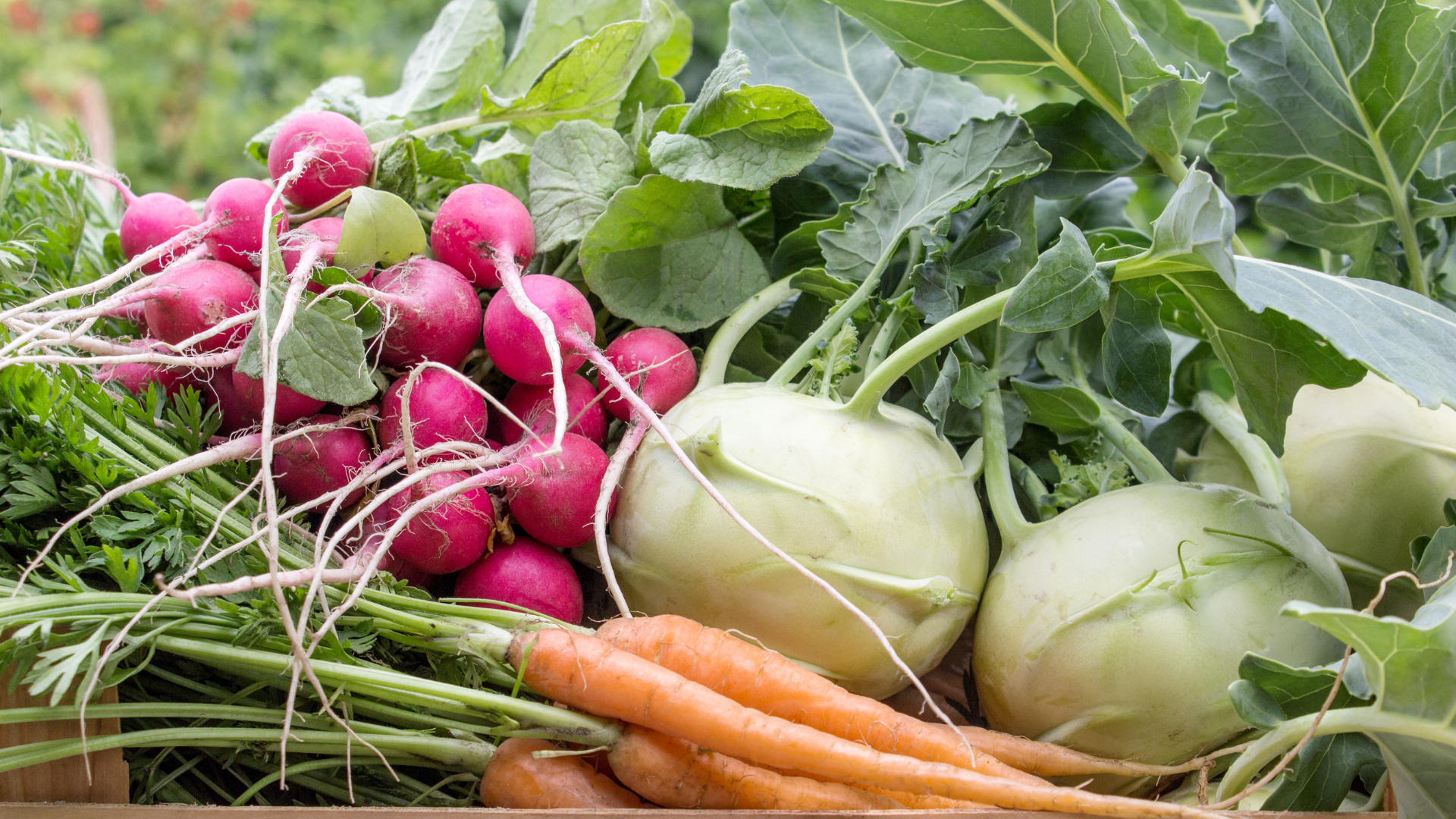
Cruciferous vegetables, such as broccoli, cauliflower, and kale, reach their peak flavor in the fall. Their prices typically drop by 30-50% compared to buying them out of season. They’re versatile enough to become the star of soups, roasts, or grain bowls.
Fall greens, such as Swiss chard, collards, and mustard greens, offer exceptional nutrition at budget-friendly prices. These hearty greens can withstand cooler temperatures and actually taste better after exposure to light frost.
Affordable Fruits
- Apples (Honeycrisp, Gala, Fuji, McIntosh, Granny Smith): Buy in bulk bags for the best value
- Pears (Bartlett, Bosc, D’Anjou, Asian): Ripen at room temperature and last for weeks
- Cranberries: Freeze extras during holiday sales for year-round use
- Grapes: Often on sale in early fall as the season winds down
- Persimmons: A special treat that becomes widely available at reasonable prices
- Pomegranates: Worth the splurge for their nutrient density and versatility
- Figs: Available fresh in early fall, often at farmers markets at better prices
Skip expensive imported berries this season. A 3-pound bag of apples costs about the same as a small package of out-of-season blueberries. The flavor difference between in-season and out-of-season fruit makes this an easy switch.
Smart Meal Planning Strategies
Create a rotating meal plan based on weekly sales and inventory levels. Check grocery flyers before planning your menu, then build meals around what’s on special. This single habit can cut your food budget by 20% or more.
Cook once, eat twice (or more). Roast a large batch of fall vegetables to use throughout the week in different dishes. Turn Sunday’s roasted vegetables into Monday’s soup, Tuesday’s grain bowl, and Wednesday’s frittata.
Batch cooking saves money and time. Spend one Sunday afternoon making big batches of chili, stew, or soup, then freeze portions for busy weeknights. This will prevent the temptation to order takeout when you’re too tired to cook.
Fall Pantry Staples
Stock up on these affordable basics to complement your seasonal produce:
- Dried beans and lentils
- Rice, barley, and oats
- Canned tomatoes
- Broths and stocks
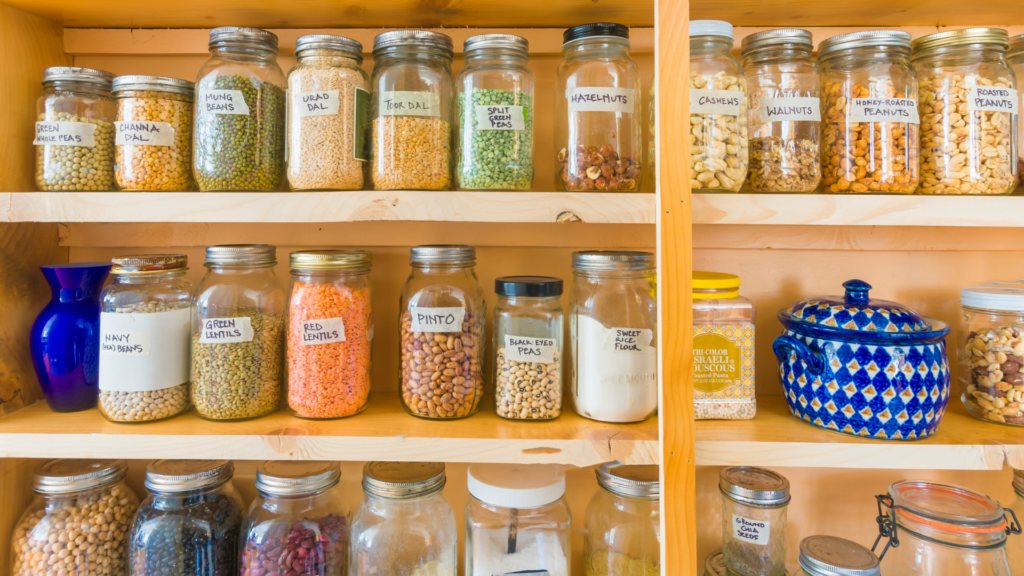
These items frequently go on sale in the fall, as cooking habits shift toward comfort foods. Buy extra when prices are low to maximize savings.
Sample Money-Saving Fall Meal Ideas
Breakfasts
- Apple-Cinnamon Overnight Oats: Mix rolled oats with milk, diced apples, cinnamon, and a touch of maple syrup. Cost: about $0.75 per serving.
- Sweet Potato Breakfast Hash: Sauté diced sweet potatoes, onions, and bell peppers, then top with an egg. Cost: around $1.25 per serving.
- Pumpkin Pancakes: Add canned or homemade pumpkin puree to basic pancake batter, then add warming spices. The cost is approximately $0.50 per serving.
Lunches
- Butternut Squash Soup: Roast and blend squash with onions, carrots, and broth. Add a swirl of plain yogurt. The cost is about $1.00 per serving.
- Kale and Apple Salad: Massage kale with lemon juice, add diced apples, dried cranberries, and sunflower seeds. Cost: around $1.50 per serving.
- Mushroom and Barley Soup: Hearty, filling, and costs just pennies per bowl when using bulk barley.
Dinners
- Roasted Root Vegetable Medley: Carrots, parsnips, turnips, and beets are tossed with olive oil and herbs. Serve over rice or as a side to protein. The cost is about $1.75 per serving.
- Cabbage Roll Casserole: Layers of cabbage, ground turkey, rice, and tomato sauce. Feeds a family for under $10.
- Fall Vegetable Frittata: Use whatever vegetables are on sale—sweet potatoes, leeks, kale—with eggs for a quick dinner. Cost: around $1.00 per serving.
- Slow-Cooker Lentil Stew: This hands-off meal combines lentils with carrots, celery, onions, diced tomatoes, and broth for a delicious and satisfying dish. It costs about $0.80 per serving.
Sides
- Maple-Roasted Brussels Sprouts: Caramelized and delicious, priced at approximately $1.50 per serving.
- Mashed Cauliflower: A lower-carb alternative to potatoes that’s often cheaper when cauliflower is in season.
Snacks & Desserts
- Baked Apples: Core apples, fill them with cinnamon, oats, and a touch of maple syrup, and bake. They cost about $0.50 each.
- Roasted Pumpkin Seeds: Save seeds from cooking pumpkins for a zero-waste snack.
- Pear and Cranberry Crisp: Top sliced pears and cranberries with an oat-based topping for a budget-friendly dessert.
These meals take advantage of fall’s bounty while keeping costs low. The ingredients overlap strategically to minimize waste and maximize flavor. A single butternut squash, for example, can be used to make soup for lunch, cubes for a grain bowl, and puree for baking.
Preserving Fall’s Bounty
Learn basic food preservation techniques to extend your savings. Freezing is the easiest method—blanch vegetables before freezing, and simply slice and freeze fruits like apples for pies and smoothies.

Make simple refrigerator pickles with cabbage, carrots, and onions. They’ll last for weeks and add bright flavor to rich fall meals. Except for jars and basic ingredients, no special equipment is required.
Consider investing in a slow cooker or pressure cooker. These tools make it easy to transform tough, inexpensive cuts of meat and hardy fall vegetables into delicious meals with minimal effort.
Shopping Smart
Don’t overlook the frozen section for out-of-season items. Frozen vegetables are often flash-frozen at peak freshness and can be more nutritious and affordable than fresh out-of-season options.
Visit farmers’ markets late in the day. Many vendors offer discounts rather than pack up unsold produce. You might score bags of slightly imperfect apples or slightly soft tomatoes at half price—perfect for sauces and baking.
Check out discount grocery stores and ethnic markets for deals on seasonal produce. These alternatives often have lower overhead and pass savings on to customers. The quality can be just as good as that of mainstream stores.
Final Thoughts
Fall meal planning doesn’t have to be complicated. Start small by incorporating just one or two seasonal items into your regular rotation. Pay attention to what’s on sale, stock up when prices drop, and gradually build your skills at cooking seasonally.
The savings from seasonal eating add up over time. What might seem like small differences—$1 here, $2 there—can mean hundreds of dollars saved over the season. That’s money you can put toward other financial goals or special occasions.
Best of all, eating seasonally connects you to the rhythms of nature and often results in more flavorful, satisfying meals. Your wallet and your taste buds will thank you.