
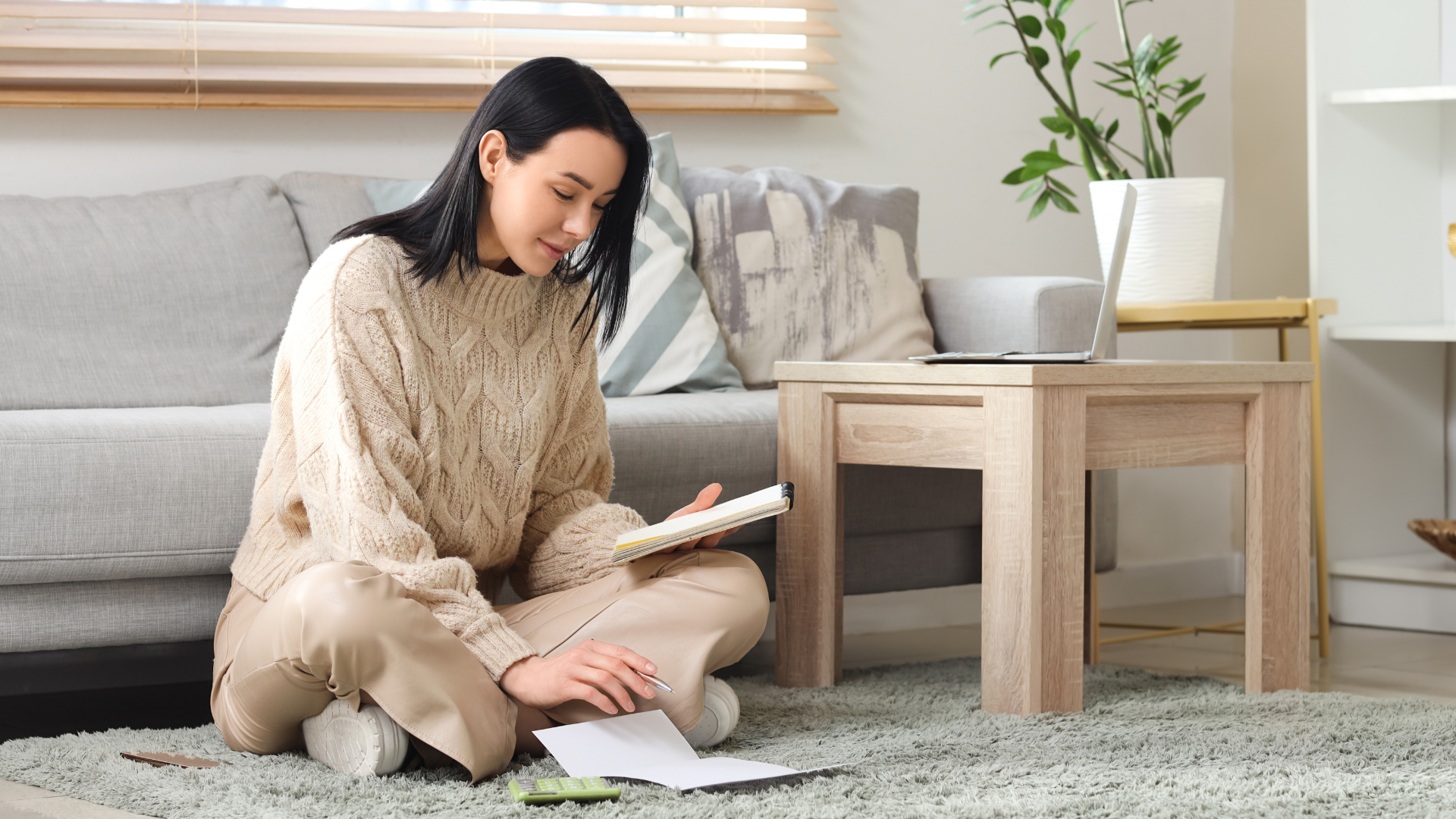
How to Slow Down—and Start Enjoying Your Home Again
There’s a particular kind of exhaustion that comes not from doing too much, but from moving too fast through everything. The dishes get done. The laundry gets folded. The floors get swept. But none of it feels like living—it all just feels like maintenance, one task blurring into the next until the day is gone and home is just the backdrop to a to-do list.
If that sounds familiar, you’re not alone. A lot of women—especially in midlife—describe a creeping sense that their home feels less like a sanctuary and more like a workstation. Rooms full of things they barely notice. Evenings that disappear into screens. Weekends that feel busier than weekdays. The house is there, but they’re not really in it.
The good news? This isn’t a decorating problem or a square-footage problem. It’s a pace problem. And the solution is simpler—and far cheaper—than anything you’d find on Pinterest.
When Your Home Becomes Just Another Place You Rush Through
Think about a typical day at home. You wake up and immediately start moving—phone in hand, coffee half-drunk, already thinking three steps ahead. You pass through rooms without really seeing them. You sit down for approximately four minutes before remembering something else that needs to be done. By the time evening comes, you’re tired, but somehow you don’t feel rested, because you were never really home, even when you were home.

This is what it looks like when life has outpaced your ability to actually inhabit it. The space is there—but the presence isn’t.
Slowing down isn’t about doing nothing. It’s about doing a few things with your full attention rather than doing everything halfway while your mind races ahead to the next item. It’s the difference between drinking your coffee while standing over the sink and actually sitting down with it, both hands around the mug, for five quiet minutes before the day begins. One feels like survival. The other feels like living.
The Moment Something Shifts
For many people, the shift begins with a surprisingly peaceful moment they didn’t plan for. A power outage forced a quiet evening. A rainy afternoon with nowhere to be. A simple dinner that somehow stretched into two hours of unhurried conversation. These moments point toward something: this is what home could feel like all the time.
The realization isn’t that the house needs to change—it’s that the pace does.
What “Slow Home” Actually Means
Slow living at home isn’t an aesthetic. It’s not a farmhouse kitchen or linen throw pillows (although if you love those things, keep them). It’s a set of choices about what you give your attention to, and how.
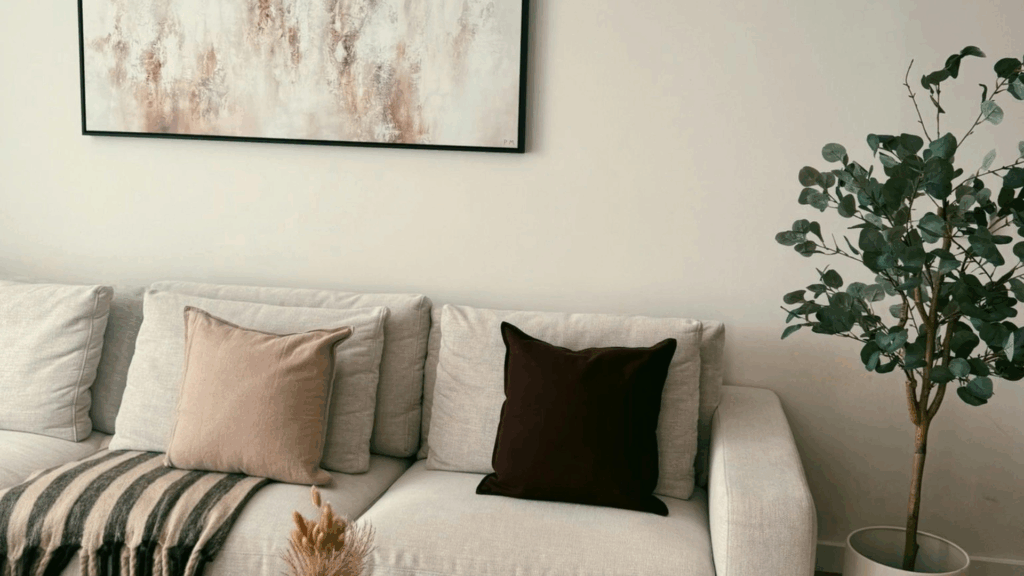
At its core, it means deciding what actually matters to you about being at home—rest, connection, creativity, peace—and letting those things guide what you say yes and no to in your schedule. It means letting go of the pressure to constantly improve, upgrade, or compare your space to someone else’s curated version of home. It means seeing the everyday tasks of home life—cooking, tidying, making a bed—not as chores that interrupt real life, but as small acts of care for yourself and the people you share your space with.
That reframe sounds simple, but it changes everything about how home feels.
Releasing the Pressure to Always Be Improving
There’s a quiet but persistent message in our culture that your home should always be getting better—more organized, more stylish, more functional. There’s always a new system to implement, a room to refresh, a product that promises to finally make the pantry work. It’s exhausting, and it turns home into an ongoing project rather than a place to actually land.
Releasing that pressure doesn’t mean you stop caring about your space. It means you stop treating it as something that’s always not quite good enough. A cozy, welcoming home doesn’t require constant upgrades. More often, it comes from using what you already have with more intention—layering in soft lighting, getting out the good candles, actually using the blanket that’s been folded on that chair for two years.
Small Shifts That Change How Home Feels
The path back to actually enjoying your home is paved with small, low-cost changes—most of them having more to do with behavior and attention than with anything you’d find in a home goods store.
Building Tiny Pauses Into Your Day
One of the most effective things you can do costs nothing: build in small moments of stillness. Five minutes of quiet before checking your phone in the morning. One full breath before switching tasks. Sitting down to drink your coffee instead of walking around with it. These micro-pauses feel almost embarrassingly small, but they do something important—they interrupt the automatic forward momentum that keeps you from being present anywhere.

Over time, these small pauses start to reshape how you experience being at home. The house stops feeling like a set of things to get through and starts feeling like a place you’re actually in.
Gentle Decluttering, One Small Area at a Time
Visual clutter is sneaky. It doesn’t always register consciously, but it creates a low-level hum of unfinished business that makes it hard to relax in a space. You don’t need to do a whole-house overhaul—that kind of project usually ends in overwhelm and abandoned piles. Instead, try one drawer. One shelf. Your nightstand. A single kitchen counter.
Removing visual noise from small areas creates pockets of calm that are genuinely restorative. A cleared surface with a plant or a candle on it can make a kitchen feel completely different. The goal isn’t a magazine-ready home; it’s a space that feels a little easier to breathe in.
Creating Cozy Corners Instead of Perfect Rooms
You don’t need the whole room to feel cozy—you just need one spot in it that does. A chair with good light and a soft blanket nearby. A cleared kitchen table with a candle in the middle. A made bed with a quilt you actually love. These small, repeatable oases anchor the feeling of home in a way that a wholesale room refresh rarely does.
The trick is making these spots genuinely usable, not just decorative. A reading chair you actually sit in is worth ten times more than one that just looks nice. A cleared table you actually eat at does more for your sense of home than a table buried under mail and backpacks ever could.
Slow, Frugal Comforts That Cost Almost Nothing
Some of the most effective ways to make a home feel good are also the most frugal. Home-cooked meals eaten without screens on. Weekend baking—muffins, bread, something that makes the house smell like someone lives there and loves it. Tea in a favorite mug. Pulling from the pantry and the freezer to make dinner feels intentional rather than reactive.
These aren’t just budget strategies (though they are good for the budget). There are ways of engaging with home as a place of nourishment rather than just logistics. The act of making something—even something simple—creates a kind of presence and satisfaction that ordering takeout and scrolling your phone simply doesn’t.
Evening Rituals That Signal the Day Is Done
One of the most powerful slow-home practices is building a simple evening ritual that tells your nervous system the workday is actually over. Turning on lamps instead of overhead lights. Put on quiet music while you tidy for ten minutes. Layering throws on the couch before you settle in. These small signals shift the atmosphere of home from “active” to “restorative”—and over time, your body starts to respond to them.
This doesn’t have to be elaborate. The consistency matters far more than the components.
The Mindset Shifts That Change Everything
Practical changes help, but the deeper transformation in slow home living is about how you think about rest, home, and your own needs.
Rest Is Not Something You Earn
Many women, especially those managing households and careers simultaneously, have unconsciously absorbed the idea that rest has to be deserved. You can relax once the dishes are done, the laundry is folded, and the inbox is empty. But of course, those things are never fully done—which means the rest never quite comes.

Slowing down at home requires treating rest as essential maintenance rather than a reward. Not a luxury you squeeze in after everything else, but a non-negotiable part of what keeps you functioning. Sitting down to read in the afternoon isn’t laziness. It’s the same logic as charging your phone before it dies.
“Good Enough” Is Actually Good
Perfectionism and slow living are fundamentally incompatible. A home that has to be perfectly tidy before you can enjoy it will never quite be enjoyed, because there is always something that could be straightened, scrubbed, or organized more efficiently.
Embracing “good enough” doesn’t mean letting things go. It means deciding that an 80% tidy room is a perfectly fine backdrop for a board game, a bath, or a slow evening walk. The pursuit of perfection can steal enormous amounts of time and energy that could go toward actually living in the space. At some point, you have to decide that the life happening in the home matters more than the home’s appearance at any given moment.
Treating Home Like a Supportive Partner
There’s something useful in thinking of home as something that supports you, rather than something that demands from you. The systems and routines that make home run—meal planning, simple cleaning habits, an organized pantry—aren’t things you do for the house. They’re things you set up so that the house can work for you, making daily life easier and less friction-filled.
When home is set up to support you, it stops feeling like a burden and starts feeling like a resource. That’s a shift worth making.
What Slows Down When You Slow Down
Here’s something that surprises people: when home actually feels good, the urge to escape it diminishes. The reflexive need to shop, eat out, or stay constantly busy often has less to do with genuine desire and more to do with the fact that home doesn’t feel like a place worth being. Fix that, and a lot of spending impulses quietly fade.

When home feels calm and enjoyable, you start noticing things you were too rushed to see before. The way afternoon light falls across the kitchen floor. The sound of rain on the roof when you’re inside with a cup of something warm. The comfort of a familiar blanket. These things were always there—slowing down just gives you enough space to actually notice them.
Time at home becomes more intentional, too. Simple dinners around the table. At-home evenings with devices put away for an hour. Quiet hobbies—reading, knitting, tending to houseplants—that were crowded out when life moved faster. The space opens up, and then the life you actually want starts filling it.
Start Small, This Week
Slowing down at home doesn’t require a lifestyle overhaul. It starts with a few tiny, low-stakes experiments:
- Sit in silence for five minutes in your favorite room and just notice what you already love about it.
- Clear one small area—a coffee table, a nightstand, a kitchen counter—and add one cozy touch: a candle, a small plant, a lamp.
- Plan one slow evening: a simple home-cooked meal, devices away for an hour, soft lighting, and something quiet to do.
That’s it. Three things. None of them cost much. All of them point in the same direction—toward a home that actually feels like somewhere you want to be.
The goal isn’t perfection. It isn’t an Instagram-worthy space or a completely decluttered house or a perfectly balanced life. The goal is a home you actually inhabit—one that feels like yours, that supports you, and that you can walk into at the end of a hard day and genuinely feel relieved to be inside.
That’s not a luxury. That’s just what home is supposed to feel like.