

How to Build a Frugal Flow Routine That Saves Time, Money, and Sanity
Most people approach frugal living like a second job — tracking every dollar, making budgets, running errands, meal planning, doing chores — all as separate tasks stacked on top of an already full day. It’s exhausting. And eventually, it all falls apart.
What actually works is something quieter. It’s building a daily rhythm where money habits, household tasks, and a little self-care happen together, almost on autopilot. That’s the idea behind a frugal flow routine, and once it clicks, it changes everything.
What a Frugal Flow Routine Actually Is
A frugal flow routine isn’t a rigid schedule with timers and color-coded planners. It’s a loose daily rhythm built around a handful of time blocks — morning, midday, evening, and a quick wind-down before bed. Each block has a natural “job,” and inside each one, you layer in small money habits alongside everyday home tasks.

The magic is in the pairing. Instead of carving out a separate hour to “do budgeting” or setting aside Saturday morning for house cleaning, you fold those things into what’s already happening. Morning coffee is already happening, so that becomes your two-minute budget check. The kitchen is already getting tidied at noon, so that becomes your use-it-up fridge scan.
Nothing gets added to your plate. It just gets stacked more intentionally.
Why Most Routines Fall Apart
The reason most routines fail isn’t lack of discipline — it’s that they’re designed with zero flexibility. On a chaotic morning, the whole system collapses. A frugal flow routine works differently because it’s built around rhythms, not rules. If the day goes sideways, you don’t start over. You just pick up at the next block.
This mindset shift matters more than any specific habit. Frugal living isn’t about being perfect. It’s about coming back to a system that’s simple enough to sustain.
Setting Up Your Time Blocks
Start by dividing the day into three or four loose blocks. They don’t need to start at specific times — just think in terms of the natural seasons of your day.
Morning Start is about getting grounded. This is when the day gets set in motion, the kitchen comes to life, and the house wakes up with you. Midday Reset is a short pause to check in with the kitchen, the budget, and your energy. Evening Wind-Down is when the house gets put back to rights, and tomorrow gets a quiet head start. Bedtime Check is optional but powerful — a sixty-second moment to close the day with intention.

Each block has a job: start calm, reset and adjust, close the kitchen and prep for tomorrow, protect sleep and mindset. You’re not squeezing productivity out of every hour. You’re creating anchors that keep the day from unraveling.
Give Each Block a Purpose, Not a To-Do List
The goal isn’t to cram tasks into every spare minute. It’s to give each part of the day a natural direction. When the morning block has a clear job — get grounded, start one chore, do one money check — decision fatigue drops. You stop asking yourself what you “should” be doing and just move through the flow.
This is especially useful on hard days. Even a simplified version of each block keeps things from sliding completely off the rails.
Building Money Habits Into the Day
The most sustainable money habits aren’t big weekly budget reviews. They’re tiny, daily check-ins that take less than five minutes and keep small problems from turning into surprises.
In the morning, one to two minutes with your budget app or a handwritten notebook is enough. Glance at yesterday’s spending, log any purchases that slipped through, and get a quick look at where the main categories stand. That’s it. No spreadsheet required.
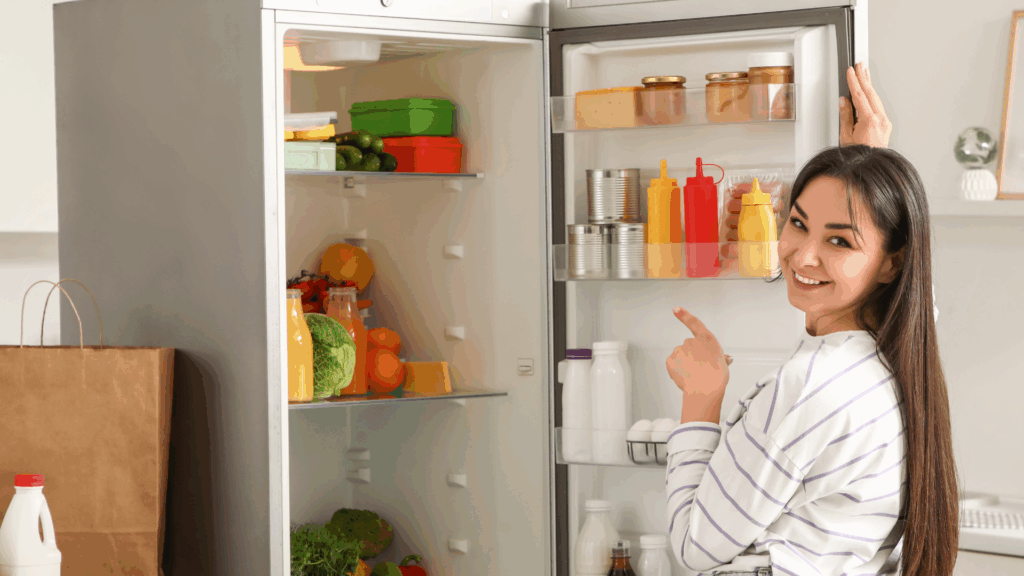
At midday, the money habit is really a kitchen habit: open the fridge and pantry and decide dinner based on what needs to be used up first. This one small step prevents the slow bleed of food waste — one of the sneakiest budget drains in most households. A no-waste kitchen mindset, practiced daily, adds up to real savings over a month.
The Evening Money Reset
Evenings are where a lot of small money decisions get made — and where impulse spending tends to creep in. Building a five-minute reset into this block creates a quiet financial checkpoint. Put any receipts in one place, skim accounts for anything unusual, and if there’s a small amount left in a budget category, move it to savings or a sinking fund before it disappears.
These micro-habits support bigger systems — cash envelopes, the half-payment method, a spending freeze — without requiring a full sit-down session every day. They’re the connective tissue between those bigger strategies and real life.
Connecting Chores to Saving Money
Not all chores are created equal when it comes to your budget. The ones that protect your food, utilities, and home maintenance have the highest financial return. Building those into the flow — rather than leaving them for whenever you get around to it — quietly saves money week after week.
In the morning, starting a load of laundry on cold is a quick win. Cold water cleans just as well for most loads and saves on your energy bill while also being gentler on fabric. Hang-drying when possible stretches that further. A quick tidy of the main living areas keeps the house from reaching “disaster mode,” which is both emotionally draining and the enemy of a calm, intentional day.
The Midday Kitchen Check
The midday reset is where a lot of food waste gets quietly prevented. A ten-minute kitchen check — moving soon-to-expire items to the front, pulling something from the freezer for tonight, consolidating half-used containers — takes almost no time but saves real money. This is the FIFO principle (first in, first out) applied in the most practical way: a daily habit rather than a once-a-month fridge overhaul.

In the evening, running the dishwasher during off-peak hours (if your utility provider offers time-of-use rates), clearing the sink, and setting out breakfast things for tomorrow takes maybe ten minutes. The payoff is a calmer morning and a kitchen that stays functional instead of slowly descending into chaos.
Frugal Upgrades That Belong in the Routine
DIY cleaners, reusable cloths, and simple home repairs tend to get treated as special projects — things to try “when there’s time.” The shift that makes them actually stick is folding them into the routine. Wiping counters with a reusable cloth instead of a paper towel isn’t a project. It’s just Tuesday. The same goes for a simple homemade cleaner in the spray bottle under the sink. These small substitutions stop feeling like effort and start feeling like just the way things work.
Layering In Low-Cost Self-Care
Here’s something that often gets left out of frugal living conversations: taking care of yourself is actually a money strategy. People who are chronically exhausted and stressed make worse financial decisions. Impulse spending goes up. Meal planning goes out the window. The short-term cost of buying something convenient or comforting seems worth it when you’re running on empty.
Low-cost self-care built into the daily flow — not as a reward, not as a luxury, but as a regular part of the rhythm — changes that equation. A few minutes of stretching while the coffee brews, a short walk at midday, a no-phone window before bed. None of it costs money. All of it pays off.
Self-Care That Fits Into Each Block
In the morning, five minutes of movement, quiet reading, or slow breathing before the day gets loud makes a difference. It doesn’t have to be elaborate. The point is having a few minutes that belong to you before everything else starts competing for your attention.

At midday, a screen-free lunch or a short walk outside resets your energy without costing a thing. If the weather’s bad, a chapter from a library book or fifteen minutes of something genuinely restful counts. The goal is a real break, not just switching from one screen to another.
In the evening, a hot shower, a simple DIY face or hand treatment, comfortable clothes, and a hard stop on phone use thirty minutes before bed are all free. They also signal to your nervous system that the day is actually over — which is more valuable than it sounds.
The Sample Frugal Flow Day
Here’s how all four blocks look when they’re working together. This is a starting point, not a prescription. Adjust the timing and tasks to fit how your actual day flows.
Morning Start Kick off a load of laundry on cold. Do a quick tidy of the main living area. Spend one to two minutes logging yesterday’s spending and glancing at today’s plan. Take five minutes to stretch, breathe, or read something you enjoy.
Midday Reset Do a ten-minute kitchen check — pull dinner items out, move anything close to expiring to the front, and plan what needs to be used up. Glance at your grocery and household budget categories and adjust anything that’s running high. Step outside for a short walk or eat lunch without a screen.
Evening Wind-Down Clear the sink, run the dishwasher, and do a quick reset of the living room. Move any leftover budget dollars to savings. Set out clothes or breakfast things for tomorrow. Take a real shower, do something simple for your skin, and put the phone down early.
Bedtime Check Quick pick-up in the bedroom. Sixty-second glance at the upcoming bills or any financial notes for tomorrow. Jot down a few things that went well. Phone off.
Starting Small Without Overwhelming Yourself
The version described here is a full, working system — but it’s not where most people start. And it doesn’t have to be where you start, either.
The easiest entry point is one habit per block: one money check, one chore, one self-care moment. Just those three things, four times a day. Do that for a week and see how it feels. Add more once the basic rhythm feels natural rather than forced.
The goal isn’t a perfect day. The goal is a day that’s slightly more intentional than yesterday, built around habits that quietly add up over time. Frugal living works the same way: not through dramatic overhauls, but through small, consistent choices that eventually don’t feel like choices at all. They just become the way you live.
That’s the flow. And once you find yours, it sticks.