

Things I Stopped Buying That Nobody Misses
We’ve all been there—standing in the store aisle, convinced we absolutely need that specialized kitchen gadget or premium skincare product. Marketing messages bombard us daily with the idea that certain items are necessities when they’re just clever disguises for our wants.
Here’s the truth: most of us are spending money on things that add zero value to our lives. When you start eliminating these “essentials” from your shopping list, something amazing happens—nobody notices they’re gone, including you.
The best part? The money you stop spending on these items can go toward things that matter to your family and your financial goals.
Kitchen & Household Items That Disappeared Without a Trace
Paper Towels
This is often the biggest eye-opener for families trying to cut expenses. Many households go through rolls of paper towels weekly, spending $75-100 per year on what’s basically expensive trash.
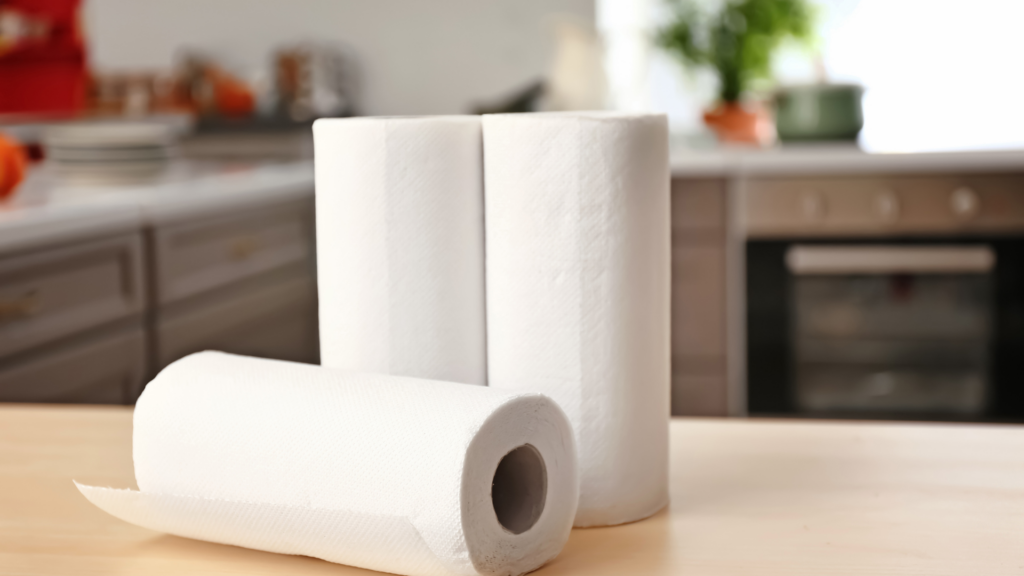
Switching to a collection of old t-shirts cut into squares and microfiber cloths works better than paper towels. They clean more effectively, and you just toss them in the washing machine when they’re dirty. Most families find the switch takes zero adjustment time, and kitchen counters stay cleaner.
The compromise approach? Keep one roll for truly gross messes. Many families find that one roll lasts six months, eliminating the need to go through several rolls per month.
Single-Use Kitchen Gadgets
Kitchen drawers across America are filled with gadgets that promise to make cooking easier. Avocado slicers, banana slicers, egg separators, special herb scissors—the list goes on and on.
Turns out, a good knife does everything these gadgets do, and it does it better. An egg separates just fine when you crack it carefully over a bowl. Herbs chop perfectly with regular kitchen shears or a knife.
Eliminating these gadgets frees up drawer space and saves the headache of washing fifteen different tools after cooking. Most people find that they use only five basic tools for 95% of their cooking, making meal prep faster.
Name-Brand Cleaning Products
This switch can save families $150+ per year. Those fancy all-purpose cleaners with premium price tags aren’t magic.
A spray bottle filled with equal parts white vinegar and water cleans most surfaces perfectly. Add a drop of dish soap for greasy messes. Baking soda tackles scrubbing jobs. These three ingredients handle 90% of household cleaning for a fraction of the cost.
Houses stay just as clean without a cabinet full of half-empty bottles with different chemicals for every surface.
Personal Care Items Nobody Missed
Expensive Skincare Products
Many women spend hundreds of dollars on skincare products, convinced that expensive means effective. Bathroom counters start looking like chemistry labs with serums, treatments, and specialized creams for every inch of the face.
A simple routine with gentle cleanser, moisturizer, and sunscreen works just as well. Skin often looks the same, maybe even better, without constantly trying new products that can cause irritation.
The money saved can go into retirement accounts instead of enriching cosmetics companies, and morning routines take three minutes instead of fifteen.
Multiple Shampoo and Conditioner Bottles
Many showers resemble salon supply stores, offering a wide range of bottles for volume, moisture, color protection, and curl definition—specialized products for every conceivable hair concern.

One quality shampoo and conditioner work perfectly fine. Hair is hair, and most of these specialized formulas are marketing rather than necessity. This switch can save $200+ per year and eliminate shower clutter.
The time saved not standing in the store comparing seventeen different hair products is worth more than any promised benefits.
Disposable Beauty Tools
Cotton pads, makeup wipes, disposable razors—these items added up to about $100 per year in my budget. They also created a ridiculous amount of waste.
Washable cotton rounds work better than disposable pads and last for years. A washcloth removes makeup more effectively than wipes and doesn’t leave my skin feeling stripped. A safety razor gives a closer shave and costs pennies per blade instead of dollars.
These switches actually improved my routines while saving money and reducing bathroom clutter.
Clothing and Accessories I Don’t Miss
Fast Fashion Trends
It’s easy to buy clothes constantly, chasing whatever trend is popular that season. Closets fill up with items, but you still feel like you have nothing to wear because everything is cheaply made and quickly outdated.
Buying fewer, higher-quality pieces that work together makes more sense. A capsule wardrobe approach means everything matches everything else, and getting dressed takes ten minutes each day.
Calculate cost-per-wear on everything. A $50 shirt worn fifty times costs $1 per wear. A $15 shirt that lasts only three wears costs $5 per wear. The math is simple once you start thinking this way.
Specialty Workout Clothes
The fitness industry wants you to believe you need specific clothes for every type of exercise. Yoga pants, running shorts, lifting tops, compression everything—it’s endless.
Regular comfortable clothes work perfectly fine for most exercise. Unless you’re training for the Olympics, you don’t need moisture-wicking technology and compression zones—a pair of shorts and a t-shirt handles most workouts just fine.
I kept one set of actual athletic wear for serious workouts and eliminated the rest. Nobody at the gym cares what you’re wearing, and I saved hundreds of dollars.
Multiple Purses and Bags
I used to own a purse for every outfit and occasion. Work bag, evening bag, casual bag, travel bag—my closet had more purses than shoes.
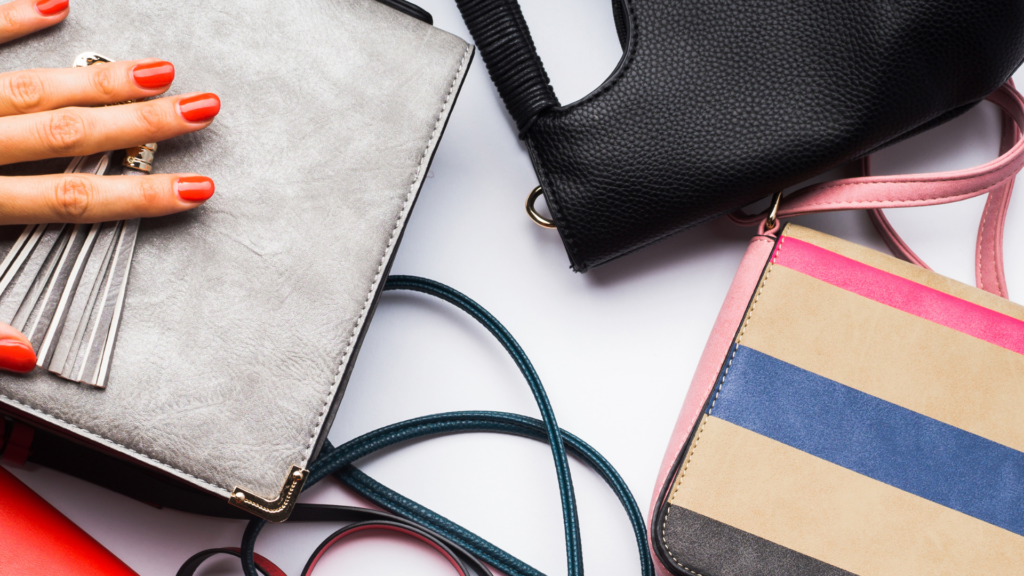
One quality leather bag handles 90% of my needs. I chose a medium-sized bag in a neutral color that works with everything. For special occasions, I use a small clutch that fits inside the main bag.
This approach eliminated the daily stress of switching everything between bags and losing items in the process. Everything has a place, and I always know where my keys are.
Entertainment and Subscriptions That Vanished
Multiple Streaming Services
Many families pay for multiple streaming services because they’re afraid of missing out on content. It’s easy to end up spending $60+ per month on entertainment, there’s barely time to watch.
Keeping one service at a time and rotating every few months works better. Watch everything you want on Netflix, cancel it, and switch to Hulu for a while. The content libraries are so large that by the time you rotate back, there’s plenty of new material.
This approach can save you $400+ per year, and you end up watching more content because you’re not overwhelmed by endless choices across multiple platforms.
Magazine Subscriptions
Physical magazines used to pile up on my coffee table, creating clutter and guilt because I never read them cover to cover. I was paying for content that stressed me out instead of entertaining me.
The library has current magazines available for free. Online articles cover the same topics with more up-to-date information. I cancelled all subscriptions and eliminated the visual clutter from my living space.
If I want to read something specific, I can find it online or check it out from the library—no more guilt about unread magazines or money spent on content I don’t consume.
Premium Apps I Barely Used
My phone was full of premium apps that I upgraded to because the free versions had limitations. Most of these apps promised to organize my life or enhance my productivity.
The truth is, I used 10% of the premium features I was paying for. The basic versions handled everything I needed. I downgraded to free versions and deleted apps I wasn’t using regularly.
This audit saved me about $15 per month, which adds up to $180 per year. That money now goes into my emergency fund instead of enriching app developers.
Food and Dining Expenses Nobody Noticed
Pre-Cut and Pre-Washed Produce
Convenience foods like pre-cut vegetables and pre-washed lettuce used to be regular purchases. They promised to save time, but they cost two to three times more than the whole produce.

Washing and chopping vegetables takes five extra minutes and saves significant money. A head of lettuce costs $1.50 versus $4.50 for the same amount pre-washed and bagged. The math is straightforward.
I prep vegetables when I get home from grocery shopping, so they’re ready when I need them. This approach gives me fresher produce that lasts longer and costs much less.
Bottled Water
This habit was costing my family about $300 per year for something that flows freely from our tap. We convinced ourselves that bottled water tasted better and was somehow healthier.
A simple water filter and reusable bottles solved both concerns. Our tap water tastes great filtered, and we’re not contributing to plastic waste. Everyone in the family has a reusable bottle, and we refill them throughout the day.
The environmental benefit makes this change feel even better than the financial savings.
Daily Coffee Shop Visits
Daily coffee shop habits can cost nearly $1,500 per year. That’s vacation money spent on something easily made at home.
Investing in a quality coffee maker and good beans makes sense. Home coffee often tastes better than most coffee shops, costs about 50 cents per cup, and eliminates waiting in line or driving anywhere.
The time savings alone make this worthwhile, not to mention the money that can go toward retirement savings instead of a coffee company’s profits.
The Freedom That Comes With Less
Here’s what surprises most people about eliminating these purchases: life doesn’t get more challenging or less enjoyable. In fact, it often gets simpler and more peaceful.
Fewer choices mean less decision fatigue. Fewer possessions mean less clutter to maintain. Less spending on unnecessary items means more money for things that matter to your family’s future.
Start small if this feels overwhelming. Pick one category and eliminate those purchases for a month. See if you notice any difference in your quality of life. Chances are, you won’t miss these items at all.
The money you save can go toward paying off debt, building an emergency fund, or investing for retirement. These goals provide lasting satisfaction that temporary purchases never could.
Your future self will thank you for every unnecessary purchase you don’t make today. The path to financial freedom isn’t about earning more money—it’s about keeping more of what you already earn.