
My No-Waste Kitchen System: How I Use Every Bite Before It Goes Bad
You know that sinking feeling when you open the fridge and find yet another container of forgotten leftovers? Or when you’re pulling wilted greens out of the crisper drawer for the third week in a row?
Here’s the thing: around 70% of food waste in the UK comes from households, not restaurants or grocery stores. That means what happens in your kitchen matters more than you might think. The good news is that simple behavior changes—like actually eating those leftovers and freezing bread before it turns into a science experiment—can significantly cut household food waste.
The secret isn’t willpower. It’s systems.
When you set up a kitchen that makes it easy to see what you have and actually use it, food waste drops dramatically. Let me show you how to build a no-waste kitchen system that works with your real life, not against it.
Why Your Kitchen Needs a “First to Use” System
Professional kitchens don’t rely on memory or good intentions to prevent waste. They use something called FIFO—First In, First Out—to make sure older food gets used before newer purchases. You can borrow this same strategy at home with a much simpler approach.
The home version is a “Use This First” bin in your fridge. It’s exactly what it sounds like: one designated spot where anything that needs to be eaten soon lives. Half a pepper from Tuesday’s dinner? It goes in the bin. Yogurt that expires in two days? Bin. Leftover sauce from last weekend? You guessed it.
This visual system works because it eliminates the guessing game. When you’re planning dinner or packing a lunch, you check the bin first. No more discovering moldy strawberries hiding behind the milk.
Here’s how to set it up:
Create two bins in your fridge. One labeled “Use First” for items approaching their expiration date or already opened (e.g., cut vegetables, open jars, fruit that’s getting soft). Keep a second bin just for leftovers so everyone in the house knows where to look for quick lunches or dinner shortcuts.
The bins don’t need to be fancy. A clear plastic shoebox works perfectly. The key is consistency and visibility—you need to actually see what’s in there every time you open the fridge.
The Labeling System That Takes 30 Seconds
You don’t need a label maker or color-coded stickers to make labeling work. You just need masking tape and a marker.
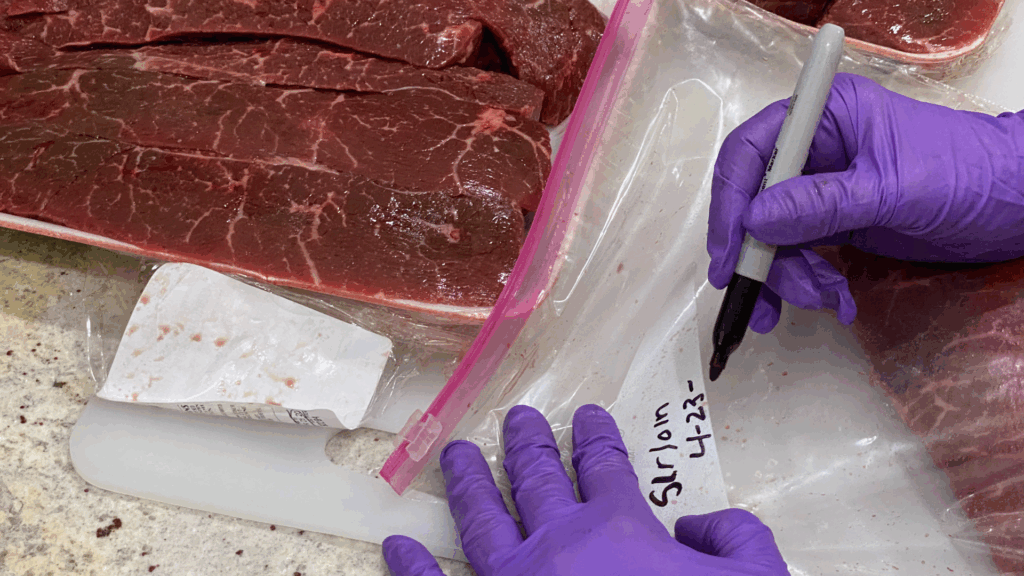
When you transfer leftovers into containers or open a new package, write two things on a piece of masking tape: the item and the date. “Taco meat 2/1” tells you everything you need to know. No wondering if that mystery container is chili from last week or spaghetti sauce from last month.
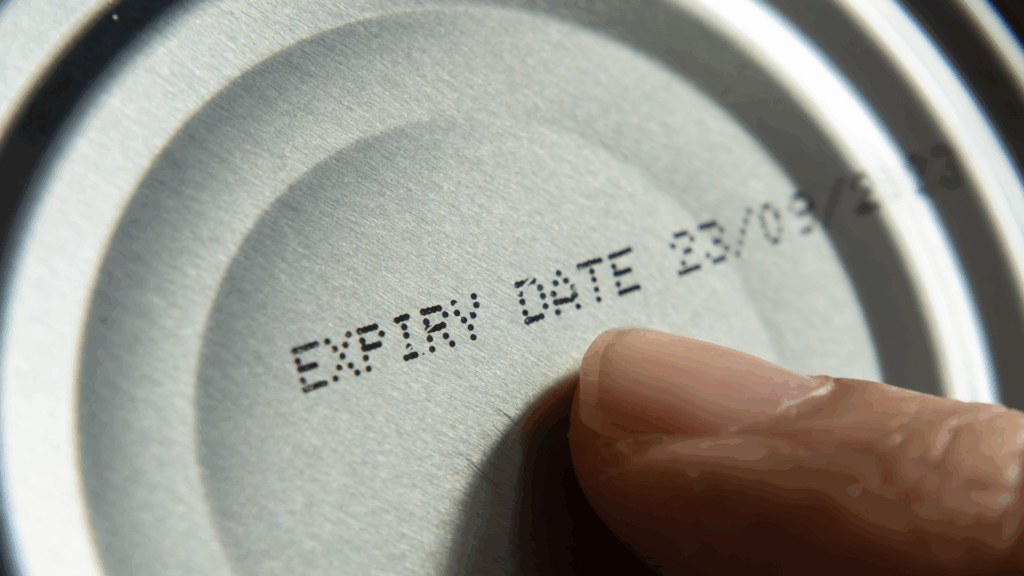
The same rule applies to your pantry. When you decant rice, pasta, lentils, or snacks into clear jars, label them with the product name and the best-before date from the original package. This simple step prevents you from tossing perfectly good food just because you’re not sure how long it’s been sitting.
Here’s why it matters: standard food rotation in restaurants includes the product name, prep date, use-by date, and who prepped it. You don’t need all that detail at home, but the principle is the same. Knowing when something was opened or prepared gives you the information you need to make smart decisions about what to eat next.
Transferring pantry items into clear containers has another benefit—you can see at a glance what you’re running low on and what you’ve forgotten about—no more buying a third box of quinoa when you already have two.
Build Simple Rotation Routines
The magic of a no-waste kitchen isn’t complicated systems. It’s repeatable habits that keep food moving through your kitchen instead of dying in the back of the fridge.
Your Weekly Fridge Routine
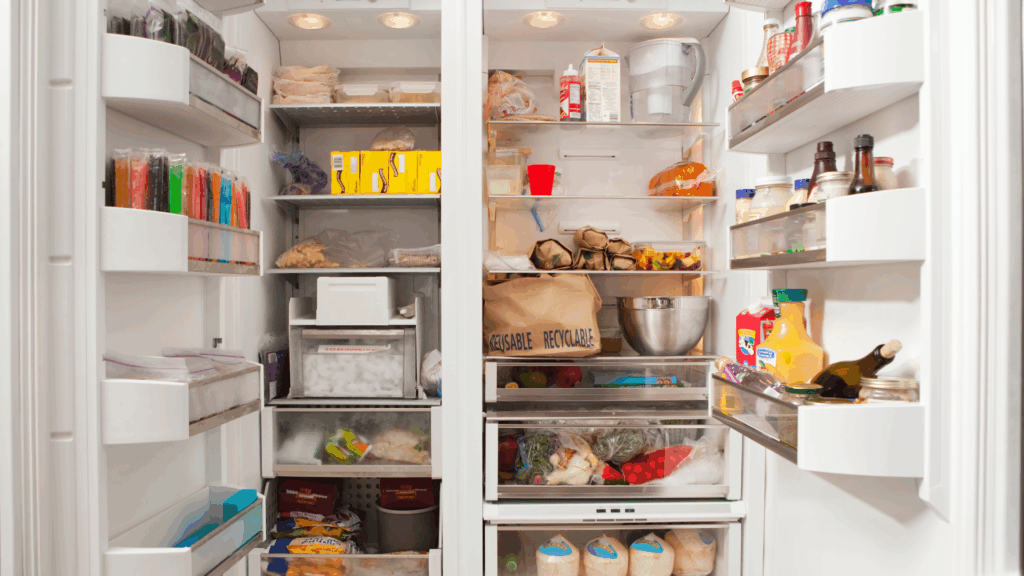
Start with one basic rule: older items go in front, newer items go behind. When you unload groceries, push what’s already in the fridge toward the front and put new purchases behind them. This is FIFO in action, and it works.
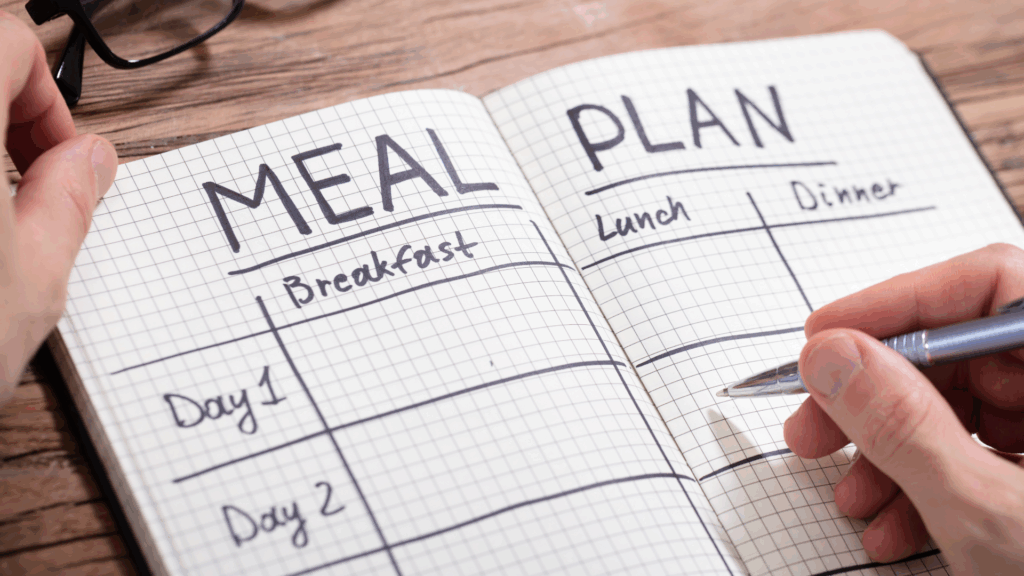
Add one weekly “Use It Up” dinner to your meal plan. Sunday nights work well for most families, but pick whatever day works best for your trash pickup. Build a meal from whatever’s in your “Use First” bin, plus any vegetables that are looking tired. Frittatas, soups, stir-fries, and sheet-pan meals are perfect for this.
One family reports that their Sunday “Use It Up” dinner has become everyone’s favorite meal of the week. There’s something satisfying about turning food that might have been wasted into something genuinely good.
Your Freezer Strategy
Your freezer is your secret weapon against waste, but only if you actually use what’s in there. Schedule one dinner per week as a “clear out the freezer” meal. This keeps older items in circulation and prevents mystery ice-covered packages from taking up space.
When fruit starts to go soft, don’t toss it. Wash it, chop it if needed, and freeze it in a labeled bag for smoothies. This works for berries, bananas, peaches, and almost any fruit you’d typically discard.
Here’s a game-changer: keep a “broth bag” in your freezer for vegetable scraps. Onion ends, carrot peels, celery tops, herb stems—throw them all in. When the bag is full, simmer everything with water to make stock. It’s free food you were going to throw away anyway.
Do the same thing with small amounts of cooked meat, extra grains, or random vegetables. These “future meal” bags provide components to build dinners without starting from scratch each time.
Your Pantry System
Your pantry follows the same FIFO rule as your fridge. When you restock, move older items to the front and put new purchases behind them. It takes an extra 60 seconds, but it prevents cans and boxes from expiring at the back of the shelf.
Try a “no-buy” week once a month. Skip grocery shopping entirely and cook only from what you already have. This forces you to use neglected pantry items and shows you exactly what you’ve been over-buying. Most families discover they have way more food on hand than they realized.
Treat your pantry like a collection of meal kits. Group ingredients together in bags or baskets—beans, rice, and spices for Mexican night; pasta, tomatoes, and herbs for Italian; oats, nuts, and dried fruit for breakfast. This makes it easier to remember what you have and use it before buying more.
How This System Stretches Your Grocery Budget
Every bit of food you don’t waste is money staying in your pocket. When you actually eat what you buy, you get full value from every grocery dollar.
Using your freezer strategically is one of the most powerful money-saving tools available. Freezing leftovers before they go bad, rescuing fruit that’s turning, saving small portions of vegetables, even keeping meat bones for broth—all of this increases the value of your original purchase.
Building “zero-waste” meals takes this further. Broccoli stems can be sliced and roasted. Carrot tops make pesto. Chicken bones and vegetable scraps become stock. When you use commonly discarded parts, you reduce the cost per meal without purchasing additional items.
Here’s a real example: buy one roast chicken and turn it into multiple meals. Day one is a roast chicken dinner. Day two uses leftover chicken for wraps or salads. Day three simmers the carcass with your freezer-bag of vegetable scraps to make stock for soup: one chicken, three completely different meals, minimal extra cost.
This system also supports other money-saving challenges. “No eating out” challenges work better when you have a system to actually find and use what’s in your kitchen. You’re not standing in front of an empty-looking fridge ordering takeout when there’s actually plenty of food available—it’s just not organized.
Same thing with “no-buy” pantry weeks. They only work if you can easily see what you have and know how to combine it into meals. The system makes the challenge possible.
Small Mindset Shifts That Make a Big Difference
The most successful food waste reduction campaigns don’t rely on guilt or shame. They focus on positive habits that feel doable—eating leftovers more often, planning meals around what you already have, and making waste-reducing choices feel like wins instead of chores.
Visual cues are your friend. Bins, labels, whiteboards showing what’s in the freezer, simple lists on the fridge—all of these help you remember what food is available. They also prevent duplicate purchases. When you can see you already have three cans of tomatoes, you don’t buy a fourth.
Here’s the final mindset shift: treat food scraps as resources, not garbage. Vegetable ends become broth. Stale bread becomes croutons or breadcrumbs. Even when some waste is unavoidable—and it will be—you can feel good about getting every possible use from your food first.
Building these habits takes a few weeks, but once they’re in place, they run on autopilot. You’re not thinking about waste reduction every day. You’re just living in a kitchen that naturally uses food efficiently.
Final Thoughts on No Waste Kitchens
You don’t need to overhaul your entire kitchen in one afternoon. Start with one change this week. Maybe it’s time to set up a “Use First” bin. It could be labeling containers as you fill them. Maybe it’s committing to one weekly “Use It Up” dinner.
Pick the strategy that addresses your biggest pain point. If you’re constantly discovering expired food, start with bins and rotation. If you forget what’s in the freezer, try the weekly freezer meal. If you overbuy groceries, schedule a no-buy week.
Each small system you add builds on the last until you have a kitchen that works for you, rather than wasting your money and food. The goal isn’t perfection. It’s progress—less waste this month than last month, more value from every grocery trip, fewer guilt-inducing discoveries in the back of the fridge.
Your wallet will thank you, and so will your schedule when you’re pulling together meals from what you already have instead of making emergency grocery runs.
What’s the first change you’ll make?