
Batch Cooking 101 for People Who Hate Meal Prep
If you’re here, you already know the drill. Sunday rolls around, and well-meaning bloggers tell you to spend six hours chopping vegetables, portioning 21 identical containers, and labeling everything with military precision. Meanwhile, you’re thinking about literally anything else you’d rather do with your weekend.
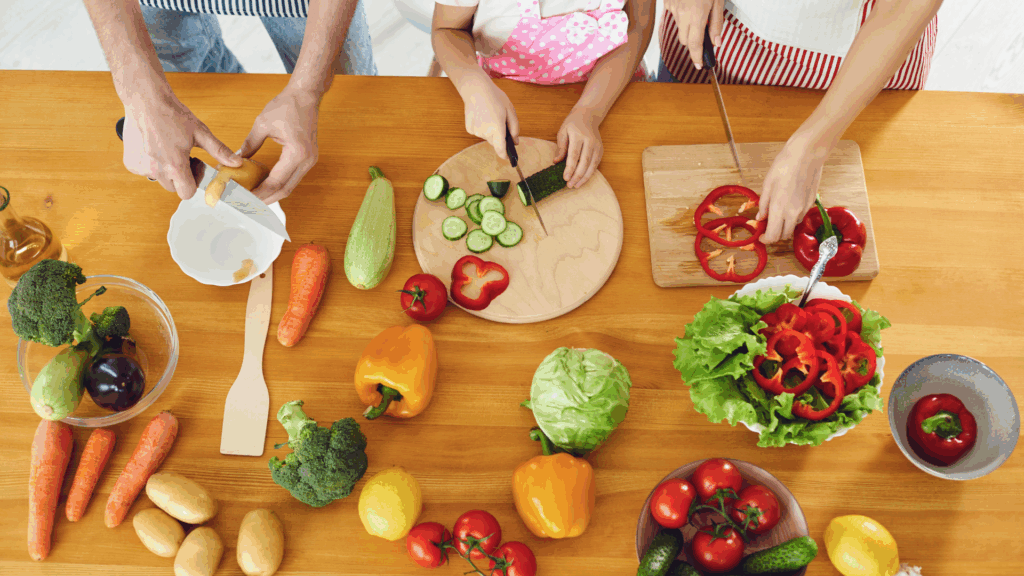
Here’s the truth: you don’t need to become a meal prep influencer to eat homemade food during the week. Batch cooking for people who actually hate meal prep looks completely different from what you see on Instagram. It’s about cooking smarter, not harder—and definitely not spending your entire Sunday in the kitchen.
What “Lazy” Batch Cooking Actually Means
Let’s redefine what batch cooking means for those of us who break out in hives at the thought of meal prep. Instead of portioning out 21 perfect containers, you’re simply cooking larger quantities of food once, then coasting through the week on those efforts.
Think of it as creating building blocks rather than complete meals. You might roast two sheet pans of chicken thighs, cook a large pot of rice, and assemble some roasted vegetables all at once. Throughout the week, those components become different dinners—grain bowls one night, wraps the next, mixed into a salad after that.
The goal isn’t perfection or aesthetics. The goal is to make weeknight dinners feel effortless without relying on takeout or convenience foods that drain your budget. When you get home tired after work, having pre-cooked components ready to assemble beats staring into an empty fridge every single time.
Time-Saving Strategies That Don’t Feel Like Work
The secret to batch cooking without hating your life is to build prep into what you’re already doing. Here’s how to make it work:
Double everything you’re already making. Making pancakes on Saturday morning? Double the batch and freeze the extras. Baking a casserole for dinner? Make two and freeze one. You’re already in cooking mode—just make a little extra while the oven’s hot and the kitchen’s already messy.
Lean hard on convenience ingredients. Using rotisserie chicken, pre-washed salad mixes, frozen vegetables, canned beans, and jarred sauces absolutely counts as cooking at home. You’re still controlling what goes into your meals and saving massive amounts compared to restaurant food. The goal is to eat well on a budget, not to win awards for making everything from scratch.
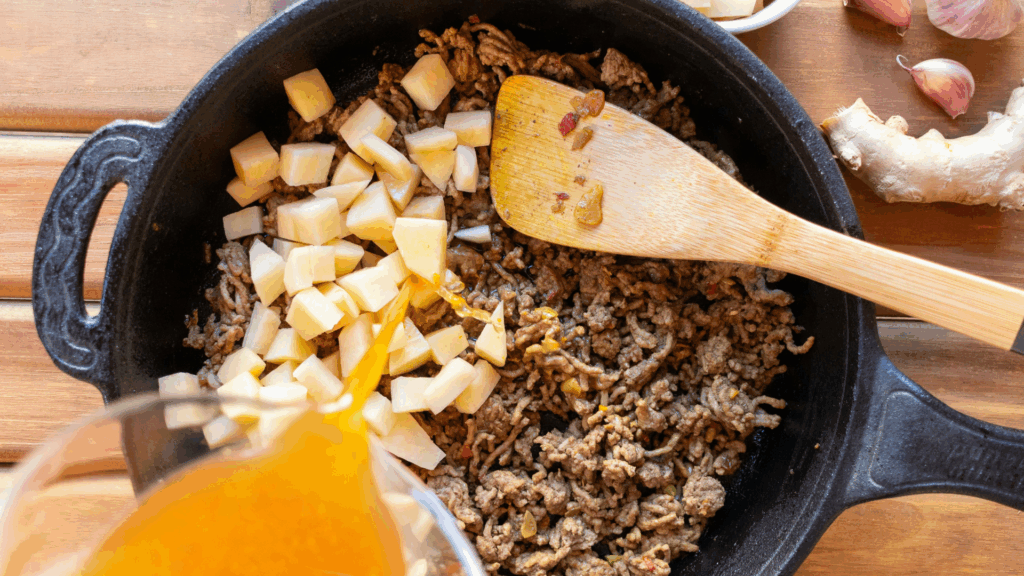
One-dish cooking minimizes cleanup. Sheet-pan dinners, slow-cooker meals, Instant Pot recipes, and large-skillet meals all provide complete dinners with minimal cleanup. Roasting two full sheet pans at once means one cleanup session gives you protein and vegetables for multiple meals throughout the week.
Simple Meal Planning for Prep Haters
Traditional meal planning feels restrictive and overwhelming. There’s a better way.
The Three-Item Weekly System
Here’s a ridiculously simple framework: each week, cook three things. One breakfast item, one big-pot meal, and one sheet-pan dinner. That’s it.
- Breakfast item: Big pan of egg bake, batch of overnight oats, or homemade muffins
- Big pot meal: Soup, chili, pasta, or slow cooker creation
- Sheet pan dinner: Protein and vegetables in one go
These three items, combined with simple, fresh meals and strategic convenience foods, carry you through the week without feeling repetitive. The beauty of this system is that it takes maybe two hours total—far less if you use hands-off cooking methods like the slow cooker.
Food Safety: Lazy But Not Reckless
Let’s cover the basics of keeping your batch-cooked food safe without overthinking it.
Cool food quickly. Don’t stick a giant pot of steaming soup directly into your fridge. Divide it into shallow containers, leave lids loose, and let it cool on the counter for a bit before refrigerating. US Food Code guidelines recommend cooling from 135°F to 70°F within two hours, then to 41°F within six hours in total.
Know your timeline. Cooked dishes are good for 3-4 days in the fridge. If you won’t eat something within that window, freeze it immediately rather than leaving it in the fridge. Most cooked foods keep safely for several months when properly sealed and frozen.
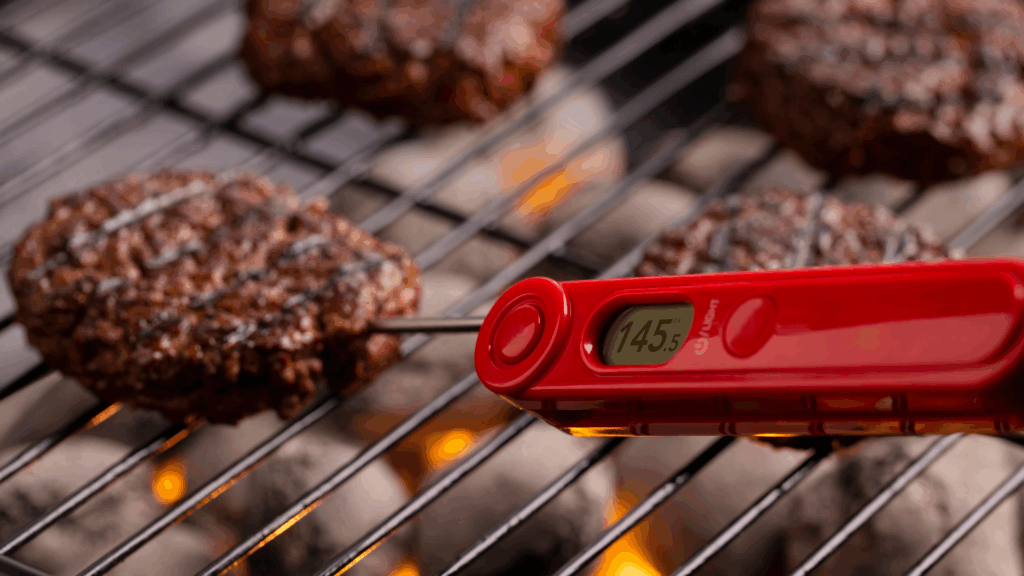
Reheat thoroughly. When you’re ready to eat, reheat until it’s steaming hot throughout. This is especially crucial for rice, pasta, and meat dishes.
What to Actually Batch Cook
Let’s get specific about what works well for people who hate traditional meal prep.
Breakfast Options
- Egg bakes: Combine eggs, cheese, vegetables, and meat in a pan. Portions easily and reheats in seconds
- Pancakes and muffins: Freeze with parchment between layers. Pop in the toaster on busy mornings
- Overnight oats: Prep five mason jars at once with different flavors. Grab and go each morning
Mix-and-Match Components
Focus on versatile components rather than complete assembled meals:
- Grains: Big pot of quinoa or rice becomes a base for bowls, a side for proteins, or a filling for stuffed peppers
- Proteins: Shredded slow cooker chicken works in tacos, sandwiches, pasta, and salads
- Sheet pan meals: Roast two pans simultaneously—chicken and vegetables on one, sausages and potatoes on another
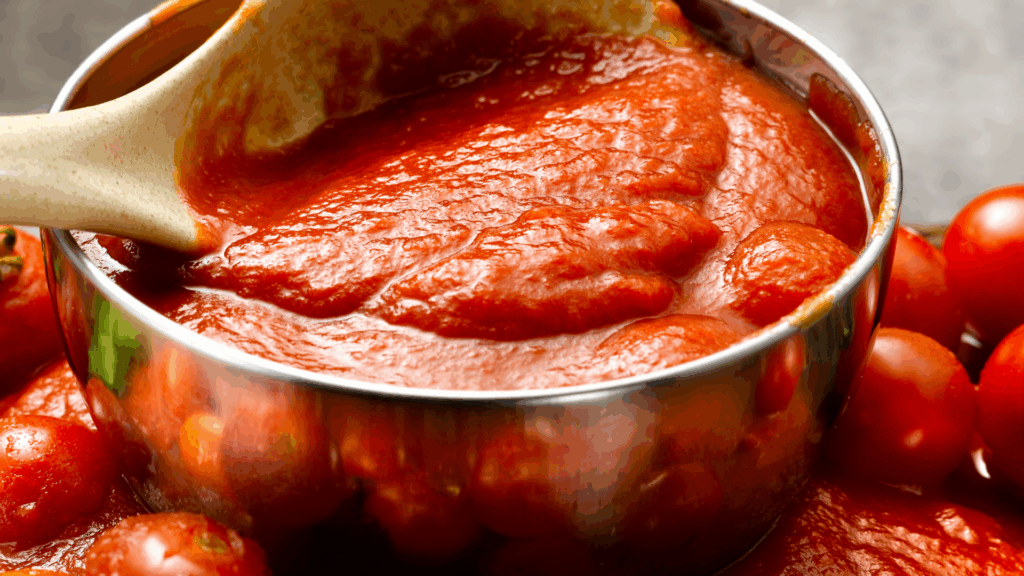
Large batches of soup, chili, or pasta sauce provide multiple meals from a single cooking session. These freeze exceptionally well and taste even better reheated.
Freezer Dump Meals: The Ultimate Lazy Hack
Combine raw ingredients in a freezer bag, freeze them, then dump the frozen contents into your slow cooker or Instant Pot when you’re ready to cook. Common combinations include:
- Tuscan chicken with sun-dried tomatoes and cream
- Sausage and peppers
- Buffalo chicken
- Pork with barbecue sauce
You’re doing the “prep” when you have time and energy, but the actual cooking happens on a busy weeknight with zero additional effort.
How This Saves You Money
Batch cooking has a secondary benefit that’s particularly relevant for tight budgets: it saves serious money.
Eliminate takeout temptation. The real budget killer isn’t expensive ingredients—it’s the $40 you spend on pizza when you get home tired, and there’s nothing ready to eat. Even if you batch-cook just one or two items per week, that’s 1-2 nights when you’re less likely to order delivery. At $30-50 per takeout meal, preventing just three orders per month saves $90-150 per month, or $1,080-1,800 per year.
Use what you already own. Batch cooking focuses on using what’s in your pantry and fridge rather than buying new ingredients for specific recipes. Got chicken thighs on sale? Cook them all at once. Have vegetables that need using? Roast them together. This reduces food waste and helps you avoid overbuying.
Buy in bulk when it makes sense. When you’re batch-cooking regularly, larger quantities make financial sense. A large bag of frozen vegetables costs less per ounce, and you’ll actually use it all when you’re roasting full sheet pans at once.
Your First Batch Cooking Session
Let’s make this concrete with a simple plan for your first attempt.
Sunday Afternoon (90 Minutes)
Start with three simple tasks:
- Make a big pan of egg bake for breakfasts
- While that’s baking, start your slow cooker with chili or soup
- Once the oven’s free, roast two sheet pans of chicken thighs and frozen vegetables
In 90 minutes, you’ve created breakfast for the week, soup for multiple dinners, and protein and vegetables that can be used to make different meals. You haven’t portioned anything into containers or created a complicated system.
Throughout the Week
Monday: Shred roasted chicken for tacos. Tuesday: Reheat soup with crusty bread. Wednesday: Create grain bowls with chicken, rice, and roasted vegetables. Thursday: Simple, fresh meal, such as pasta. Friday: Finish the soup or make quesadillas with leftover chicken.
Notice how you’re not eating identical meals every day, but you’re also not cooking from scratch every single night.
Tools That Actually Help
You don’t need special equipment, but a few key items make batch cooking significantly easier.
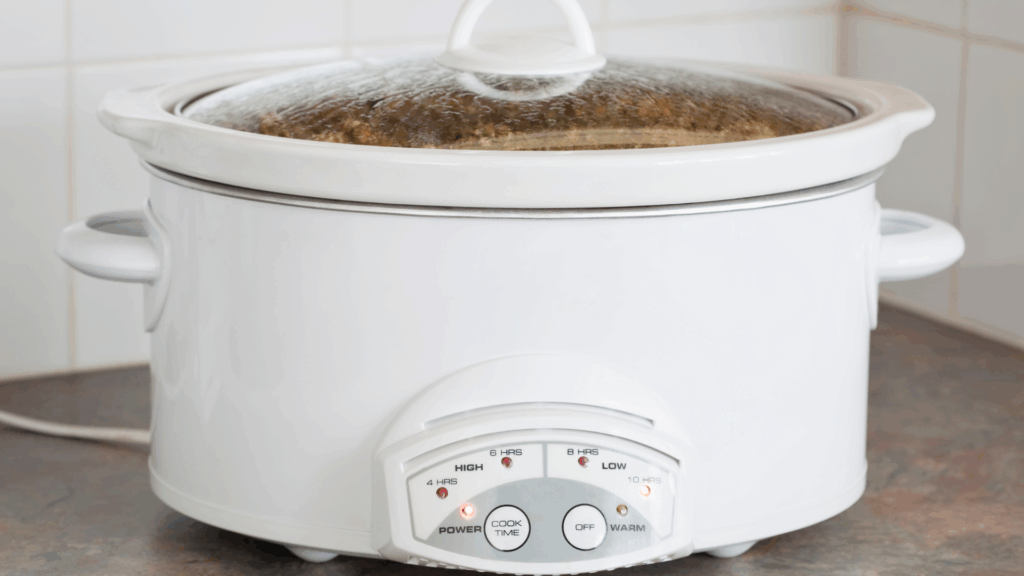
- Slow cooker or Instant Pot: Makes cooking completely hands-off. Dump ingredients in the morning and come home to a finished meal. For someone who hates active cooking time, this is genuinely life-changing.
- Sheet pans: Two sheet pans cooking simultaneously is basically a free doubling of your output. Your oven is batch cooking gold.
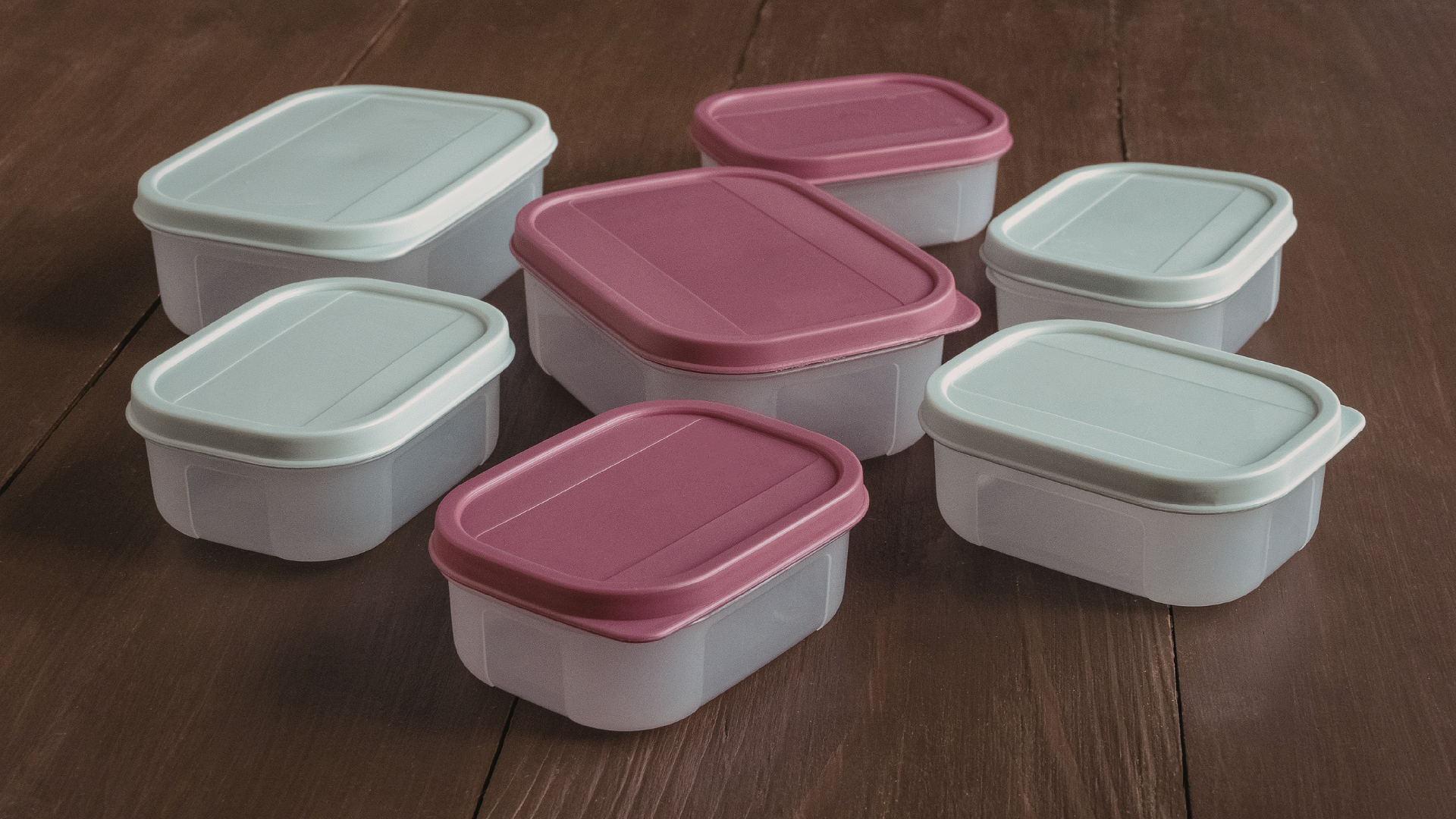
- Storage containers: You need containers that seal well and stack efficiently, but you don’t need an expensive matching set. Reused glass jars and plastic takeout containers work fine. For freezer storage, invest in high-quality freezer bags and remove as much air as possible before sealing.
Final Thoughts on Batch Cooking
Your batch cooking system doesn’t need to be perfect to be valuable. Even if you only batch cook one item per week, that’s still one less meal you’re figuring out from scratch during a busy weeknight.
Some weeks, you’ll batch cook like a champion and feel incredibly organized. In other weeks, you’ll barely manage to cook anything in advance and will rely heavily on simple, fresh meals. Both scenarios are completely fine.
The goal is to make your life easier, not add another source of pressure. If your current system stops working, adjust it. If you need to take a week off entirely, do it. This is a tool to serve you, not a rigid system you have to serve.
Remember that every meal you eat at home instead of ordering out is a financial win. Every component you batch-cook saves time during a busy week. Start small, experiment with what works, and permit yourself to do this imperfectly. Even lazy batch cooking beats no batch cooking when you’re trying to manage a tight budget and a busy life.