
How to Have a “Little House on the Prairie” Christmas in a Modern World
Christmas has a way of getting loud. Between overflowing gift lists, packed calendars, and a steady stream of ads telling you what the holiday should look like, it’s easy to lose the parts that actually make it feel special. That’s where a little inspiration from the prairie comes in.
If you grew up watching the Ingalls family gather around a wood stove or reading about Laura’s excitement over a single peppermint stick, you already know the appeal. Their Christmases were small by necessity, but they were rich in the things that matter: family time, homemade treats, and a quiet kind of joy that didn’t cost much at all.
You don’t need a homestead, a wood-burning stove, or a covered wagon to bring that spirit into your own home this December. You just need a willingness to slow down and lean into simple, handmade traditions. Here’s how to build a frugal, cozy, old-fashioned Christmas your family will actually remember.
Why a Prairie Christmas Still Works Today
The Ingalls family didn’t have big box stores or overnight shipping, so they made do with what they had on hand. A gift might be a tin cup or a hand-sewn doll. A treat was often nothing more than a stick of candy, saved and savored instead of unwrapped and forgotten in five minutes.
That mindset translates surprisingly well to a modern budget. When you shift the focus from buying to making, your holiday spending naturally drops. You’re also giving your family something screens and store-bought gifts can’t replicate: time together and memories tied to effort instead of price tags.
A prairie-inspired Christmas isn’t about roughing it or pretending you live in the 1870s. It’s about borrowing the parts of that era that still hold up: gratitude for small things, handmade gifts, and evenings spent together instead of scrolling separately on the couch.
Simple Traditions Worth Bringing Back
Pioneer families didn’t have elaborate holiday itineraries. Their traditions were small, repeatable, and centered on being together, which is exactly why they still feel meaningful generations later.
Read the Christmas chapters together. Laura Ingalls Wilder’s books include some of the most beloved holiday scenes in American literature. Pick a chapter from Little House in the Big Woods or Little House on the Prairie and read it aloud as a family on a quiet evening. It costs nothing, takes twenty minutes, and sets a reflective tone for the season.
Give one meaningful, handmade gift. In the show’s famous Christmas at Plum Creek episode, the family scrapes together small, thoughtful gifts instead of expensive ones, and it’s remembered as one of their best holidays. Try the same approach with your own family. A knitted scarf, a jar of homemade jam, or a hand-written letter often means more than anything wrapped in a box from a store.
Take a nature walk. Bundling up and heading outside to look for pinecones, bare branches, or a dusting of snow costs nothing and gets everyone away from their phones. It also doubles as a way to gather materials for the homemade décor below.
Attend a simple gathering instead of a big event. Pioneer Christmases revolved around church services and small family meals rather than packed party schedules. If your December calendar feels overloaded, consider trimming it back to one or two gatherings that actually feel restful.
Write letters instead of buying cards. A handwritten note to a grandparent, cousin, or old friend costs a stamp and a few minutes, but it lands very differently than a store-bought card signed in a hurry. Set aside one evening to write a handful of letters as a family, and let the kids draw a little picture at the bottom if they’re young.
Tell stories instead of watching them. Before television, families entertained each other. Take a turn around the table sharing your own favorite Christmas memories, or make up a story together the way Pa used to for Laura and Mary on cold nights. It’s free, it’s personal, and it tends to become a tradition kids ask for again the following year.
Scratch-Made Treats for the Season

Nothing says a prairie Christmas quite like the smell of something baking in the oven. The Ingalls family didn’t have access to fancy ingredients, so their treats were simple, pantry-based, and made from scratch. That’s good news for your grocery budget too.
A few frugal, old-fashioned treats worth adding to your baking list:
- Molasses cookies: A pioneer classic made from basic pantry staples like flour, molasses, and warm spices.
- Homemade gingerbread: Not the cutout cookie kind, but a soft, spiced loaf or sheet, just like Ma would have made using what was on hand.
- Cornbread with butter: A simple, hearty side that pairs perfectly with a warm dinner by the fire.
- Old-fashioned peppermint candy: A nod to the peppermint sticks Laura and Mary treasured in their stockings, and a fun project if you’ve never made candy at home before.
- Homemade hot cocoa: Skip the packets and stir together cocoa powder, sugar, and milk on the stove for a richer, cheaper version everyone will ask for again.
Get the kids involved in the mixing and stirring if you have them. Baking together turns a simple treat into a memory, and it keeps you from needing a separate “activity” budget for holiday crafts.
Most of these recipes use ingredients you likely already have in your pantry: flour, sugar, butter, and a few warm spices. That means you can make several batches over the season without a big grocery run, and you’ll have homemade treats ready any time neighbors or family stop by. Wrap a few cookies in wax paper and twine for an easy, low-cost gift too. It fits right in with the spirit of the season, and it costs a fraction of what a store-bought tin would run you.
Homemade Décor Straight from Nature
Store-bought Christmas décor adds up fast, and most of it ends up in a bin in the attic eleven months out of the year. A prairie-inspired approach swaps plastic ornaments for natural, handmade pieces that cost next to nothing and feel far more charming.
Dried orange pomanders. Studding an orange with whole cloves creates a fragrant, old-fashioned ornament that also makes your whole house smell like the holidays. Hang a few from ribbon on your tree or pile them in a bowl on the table.
Pinecone ornaments and garland. A walk through your neighborhood or a nearby park is usually all it takes to gather a basket of pinecones. Add a little twine, ribbon, or a light dusting of flour “snow,” and you have a rustic ornament that costs you nothing but time.
Popcorn and cranberry garland. This one is about as old-fashioned as it gets, and it’s still a favorite for a reason. String popcorn and fresh cranberries onto thread for a garland that wraps a tree in genuine homespun charm.
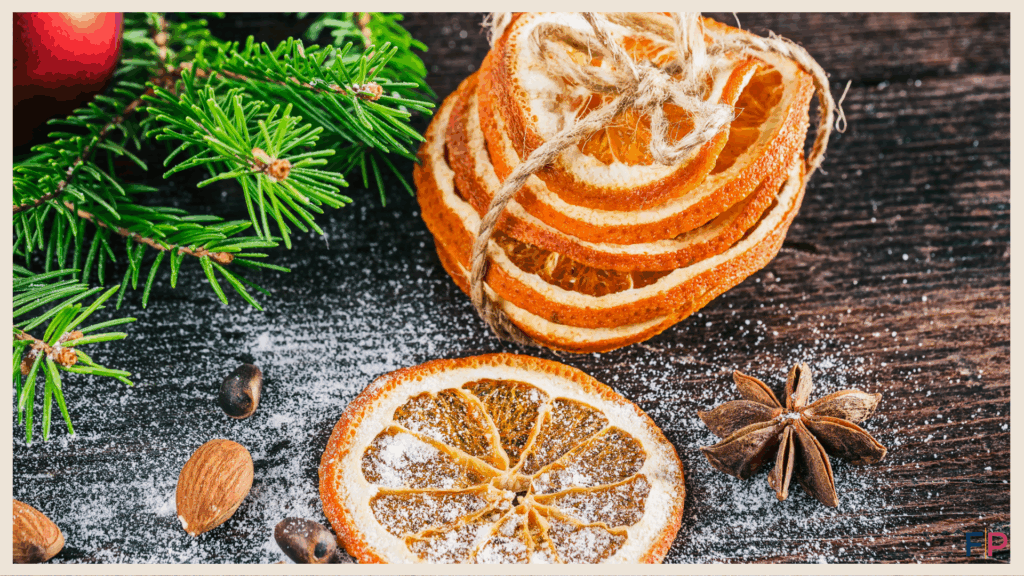
Dried orange slices and cinnamon sticks. Slice oranges thin, dry them in a low oven, and tie them into bundles with cinnamon sticks for simple, fragrant decorations around the house.
Beeswax or paper ornaments. If you want a project with a little more staying power, simple molded beeswax ornaments or folded paper stars make a lovely handmade touch for the tree. Just keep hot wax projects to adult hands only.
A simple pine or evergreen swag. If you have access to a real tree lot, ask if you can take a few trimmed branches home for free. Bundle them with ribbon or twine and lay them across a mantel or table for an easy, fragrant centerpiece that costs nothing but a friendly ask.
None of these decorations require a trip to the craft store. Most use items you already have in your kitchen or can gather outside, which keeps this whole part of your Christmas essentially free. And unlike plastic ornaments that get tossed after a season or two, natural décor can simply be composted or burned in the fireplace once the holiday winds down, so there’s nothing extra to store away in the attic.
Candlelit Evenings and Slowing Down
Perhaps the most overlooked part of a Little House Christmas isn’t a tradition or a treat. It’s the pace. Evenings on the prairie were quiet by necessity, lit by candles and firelight instead of screens, and that slower rhythm is worth borrowing even if your house has electricity.
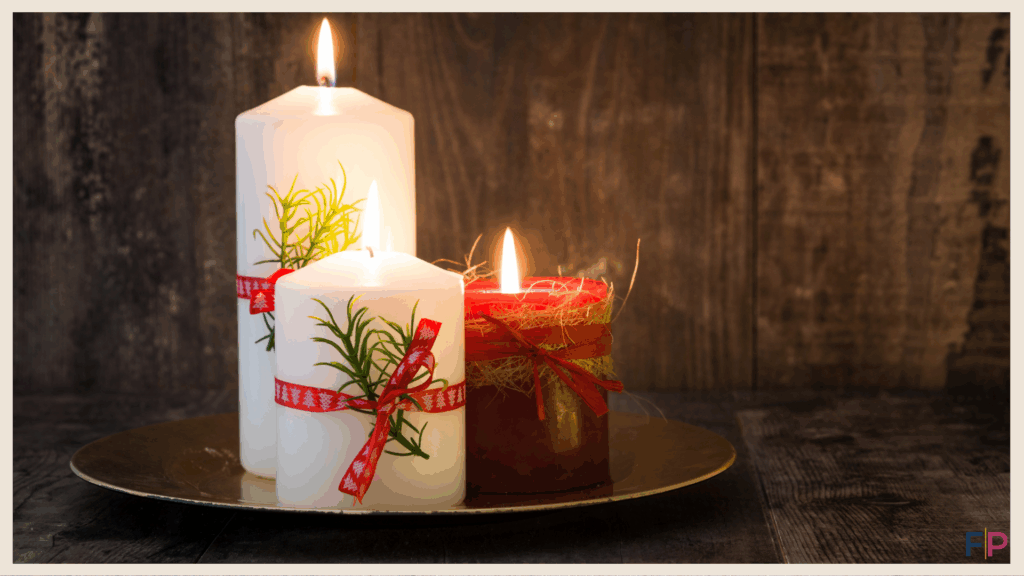
Try setting aside one evening a week in December for a candlelit dinner or dessert at home. Turn off the overhead lights, light a few candles safely on the table, and let the meal move slower than usual. It’s a small shift, but it changes the entire feel of the evening.
You can extend that same mood to a family game night, a read-aloud session, or simply sitting together by the fireplace or a few strategically placed candles. The goal isn’t to recreate 1870s lighting exactly. It’s to create pockets of calm in a season that tends to run at full speed.
If you have younger kids, consider a “no screens after dinner” rule for one or two nights a week leading up to Christmas. Pair it with hot cocoa and a cookie from your baking list, and you’ve got a low-cost tradition that feels far more special than it actually costs.
Final Thoughts on a Prairie Inspired Christmas
A prairie-inspired Christmas isn’t about giving anything up. It’s about trading a few expensive, stressful traditions for simple ones that actually stick with your family. Start small. Pick one tradition, one treat, and one décor project from this list rather than trying to overhaul your whole December at once.
You might read a Little House chapter by candlelight one evening, then spend a Saturday afternoon making pomanders and popcorn garland with the kids. Add a batch of molasses cookies to the mix, and you already have a holiday that feels intentional instead of rushed, and one that didn’t require much from your wallet at all.
That’s really the heart of a Little House on the Prairie Christmas: less spending, more presence, and a little bit of candlelight to slow everything down.