
The 20 Things I Always Keep in My Emergency Pantry
Stock smart, not scared. That’s the whole philosophy behind a good emergency pantry, and it’s the opposite of the panic-buying scramble you see every time a storm warning pops up on the news. A well-stocked pantry isn’t about fear. It’s about giving your family a calm, capable answer to “what do we eat” when the power’s out, the roads are closed, or the grocery store shelves are picked clean.
You don’t need a bunker or a year’s worth of freeze-dried meals to feel prepared. You need a shopping list you can build a little at a time, foods your family will actually eat, and a system for rotating everything so nothing goes to waste. Here are the 20 items that make up a genuinely useful emergency pantry, plus how much to keep on hand and how to build it without blowing your grocery budget.
Why an Emergency Pantry Matters
Every region has its own version of “the thing that knocks the power out.” Maybe it’s hurricanes, maybe it’s ice storms, maybe it’s wildfire smoke that keeps you inside for days. Whatever your local risk looks like, the fix is the same: two weeks of food and water that don’t need refrigeration or much cooking.
This isn’t about doomsday prepping. It’s an extension of the same frugal habits you already practice, buying a little extra when things are on sale, rotating your stock, and never letting food go to waste. Think of it as grocery shopping with a longer runway.
There’s also a financial upside that often gets overlooked. Families with even a basic emergency pantry tend to spend less during a crisis, not more, because they aren’t paying inflated prices for bottled water or bread at the one gas station still open. Preparedness and frugality are really the same skill pointed at different timelines.
The 20 Pantry Staples to Stock
These items were chosen for shelf life, nutrition, and versatility. Every one of them can be eaten cold straight from the container if you have to, which matters if the power is out and cooking isn’t an option.
Proteins
- Canned chicken and tuna: A single can delivers real protein without needing a fridge. Look for pull-tab lids so you’re not dependent on a can opener.
- Canned beans: Black beans, kidney beans, and chickpeas are cheap, filling, and packed with fiber and protein. They also stretch other meals when fresh food runs low.
- Peanut butter: High in calories, protein, and healthy fat, and it needs no cooking at all. A jar can genuinely carry a family through several days if needed.
- Shelf-stable milk or powdered milk: Useful for cereal, coffee, and cooking, and it stores for months without refrigeration.
- Canned chili or stew: A near-complete meal in one can, which matters when you’re tired, stressed, and don’t want to combine six different ingredients.
Grains and Carbohydrates
- Rice: Cheap, filling, and shelf-stable for years when stored properly in a cool, dry spot.
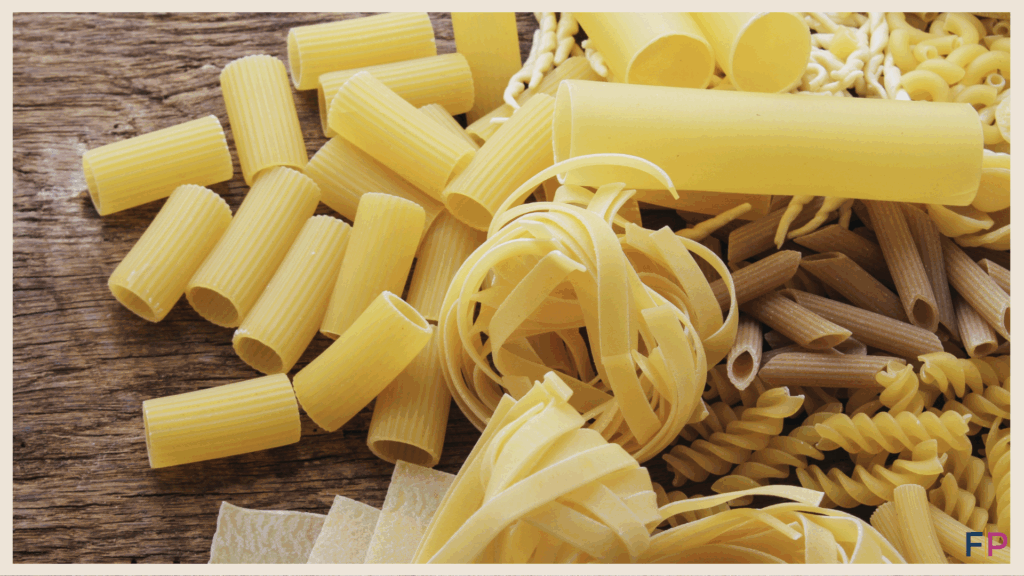
- Pasta: Pairs with almost anything in your pantry and cooks quickly, which saves fuel if you’re cooking on a camp stove or grill.
- Oats: A fast, filling breakfast that needs only hot water, and it works in both sweet and savory dishes.
- Crackers: A bread substitute that doesn’t require refrigeration and holds up well in a sealed container.
- Cereal: An easy no-cook meal, especially helpful for kids who need familiar food during a stressful stretch.
Fats, Flavor, and Comfort
- Cooking oil: Needed for almost any hot meal, and it adds calories when food is scarce.
- Honey: It essentially never spoils, works as a sugar substitute, and can double as a simple wound care option in a pinch.
- Salt and basic spices: Bland food gets old fast. A little seasoning keeps meals palatable when you’re eating the same staples for days in a row.
- Comfort snacks: Cookies, candy, or trail mix aren’t just extras. Familiar treats matter for morale, especially for kids, during a stressful few days.
- Instant coffee or tea: Small thing, big impact on mood when routines are disrupted.
Hydration and Extras
- Bottled water: The single most important item on this list. Plan for one gallon per person, per day, for drinking and basic hygiene.
- Powdered electrolyte packets or drink mixes: Useful if water access gets tight or if anyone in the household is prone to dehydration.
- Canned fruit and applesauce: A source of vitamins and natural sugar that also adds moisture to an otherwise dry pantry lineup.
- Powdered peanut butter or protein powder: A lighter-weight, longer-lasting backup that reconstitutes with water and stretches your protein supply.
- Multivitamins: Not a substitute for real food, but a reasonable backstop if fresh produce is unavailable for more than a few days.
How Much to Stock
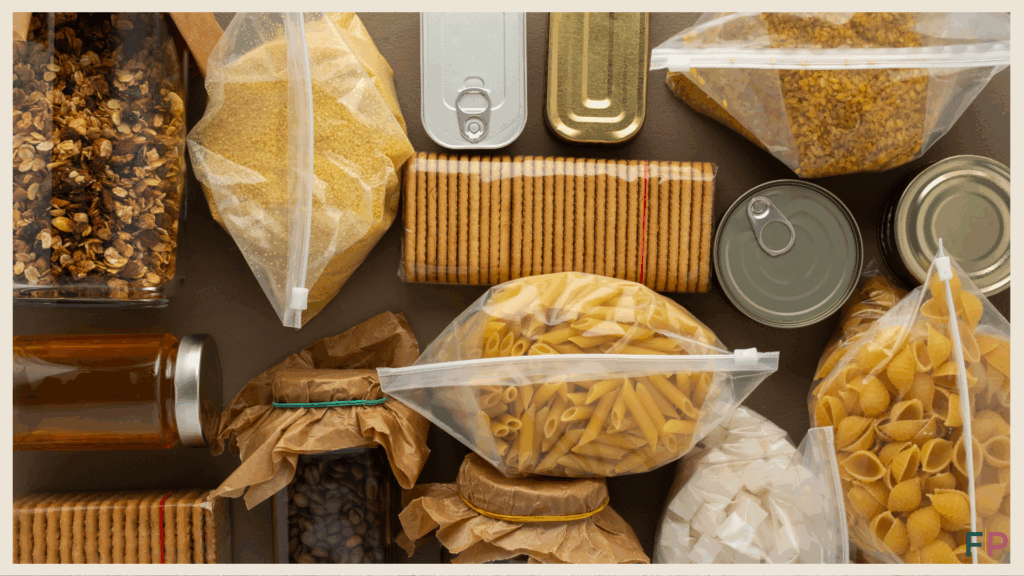
The baseline most emergency management experts recommend is a two-week supply for every member of your household, including pets. For food, that generally works out to roughly 2,000 calories per adult, per day, though needs vary by age, activity level, and health.
Water is the number that trips people up the most, so it’s worth repeating: one gallon per person, per day, minimum. That covers drinking and basic sanitation, not showers or laundry. For a family of four planning two weeks, that adds up to 56 gallons, which sounds like a lot until you spread the purchase out over a couple of months.
A simple way to think about quantities:
- Two weeks of food per person, focused on the categories above
- One gallon of water per person, per day, for two weeks
- Extra for pets, infants, or anyone with specific dietary or medical needs
If you live somewhere prone to extended outages, hurricanes, or winter storms that can knock out power for a week or more, it’s worth building toward a full month rather than stopping at two weeks.
Don’t Forget the Rest of the Household
A pantry list built around one or two adults doesn’t automatically cover everyone under your roof. Infants need formula or baby food that’s completely separate from the adult supply, and older kids often eat more than parents expect once routines get disrupted. Take a real inventory of who you’re feeding before you assume your quantities are right.
Pets need their own stash too, and it’s easy to forget until the day you actually need it. A bag of dry food and a case of water bottles set aside specifically for the dog or cat means one less thing to worry about when everyone else is scrambling. If anyone in the house takes daily medication, keep a short buffer supply on hand as well, since pharmacies can close or run low during a widespread event.
Storage Tips to Make It Last
Buying the food is only half the job. Storing it correctly is what actually keeps it safe and edible when you need it.
Keep It Cool, Dark, and Dry
Heat and light are the two biggest enemies of shelf-stable food. A pantry closet, basement shelf, or interior closet works far better than a hot garage.
Rotate on a First In, First Out Basis
Write purchase dates on cans and boxes with a marker, and always pull the oldest items forward when you restock. This keeps your emergency pantry doubling as part of your everyday cooking rotation, which means nothing sits untouched for years and quietly expires.
Store What You Eat
There’s no point stockpiling foods your family won’t touch. If nobody in your house likes canned spinach, don’t buy it just because a list says so. Build your 20 items around what you’d actually cook and eat on a normal week, just in shelf-stable form.
Check Expiration Dates on a Schedule

Set a recurring reminder, maybe when the clocks change twice a year, to go through your emergency shelf and check dates. Move anything getting close to expiration into your regular meal rotation, and replace it with a fresh can or box. This one small habit is what keeps an emergency pantry useful instead of becoming an expensive shelf of forgotten food.
Building Your Stock Without Breaking the Budget
You don’t need to buy all 20 items in one trip, and honestly, you shouldn’t. A better approach is to add two or three items to your regular grocery order each week until your pantry is where you want it.
A few ways to build this out affordably:
- Watch for sales on canned goods and stock up when prices dip, rather than buying at full price out of urgency
- Use store brand versions of rice, pasta, and canned beans, which are usually just as good as name brands for a fraction of the cost
- Buy water in bulk when it’s on sale instead of grabbing a single case at the last minute
- Check warehouse clubs for bulk pricing on shelf-stable staples like oats, peanut butter, and canned proteins
This is really no different from the sinking fund approach you already use for other goals. A small, consistent contribution each week adds up to real security without ever feeling like a strain on your budget.
Shop Your Own Pantry First
Before you add anything new, take stock of what’s already in your cabinets. Most households already own several items from this list, whether it’s a few extra cans of beans or a jar of peanut butter tucked in the back. Building your emergency pantry often costs less than expected once you count what you’ve already got.
Final Thoughts
An emergency pantry isn’t about fear of the worst case. It’s about having a calm, practical answer ready before you need one. Twenty shelf-stable staples, a gallon of water per person per day, and a simple rotation system will carry your family through most short-term disruptions without a single moment of panic.
Start small, add a few items each week, and store what your family will genuinely eat. That’s stocking smart, not scared.
Ready to build the budget that makes all of this possible? Grab the free Frozen Pennies Budget Planner and start setting aside a little each week for your emergency pantry fund.