
The Grocery Store Layout Is Designed to Trick You—Here’s What to Know
You run into the store for milk and bread. Thirty minutes later, you’re loading bags into your car, wondering how you spent $87. Sound familiar?
Here’s the truth: grocery stores are psychological masterpieces designed to extract maximum money from your wallet. Every color, scent, and product placement has been carefully calculated to make you spend more. But once you know the tricks, you can shop smarter and protect your budget.
The Welcome Experience Sets You Up
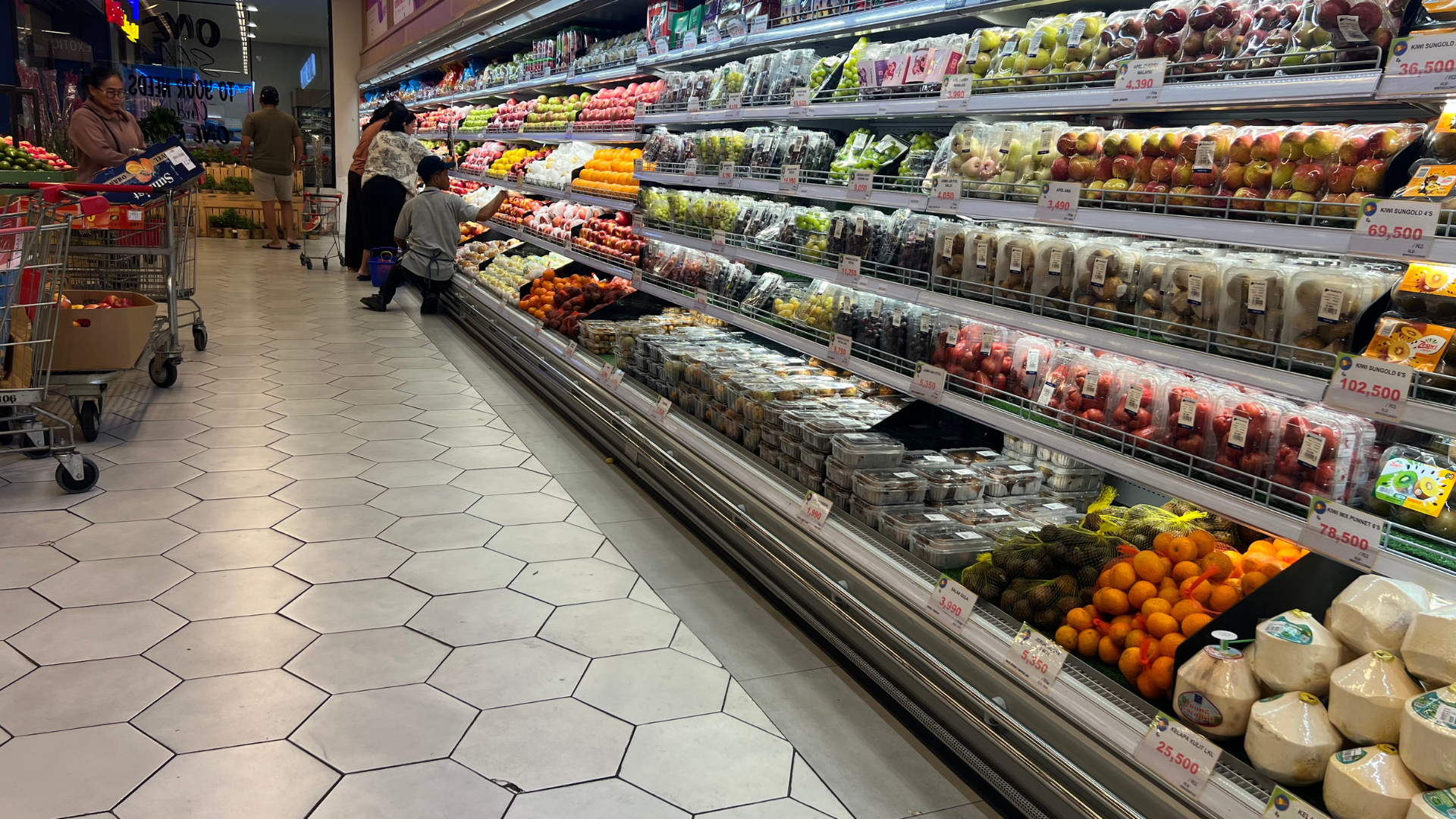
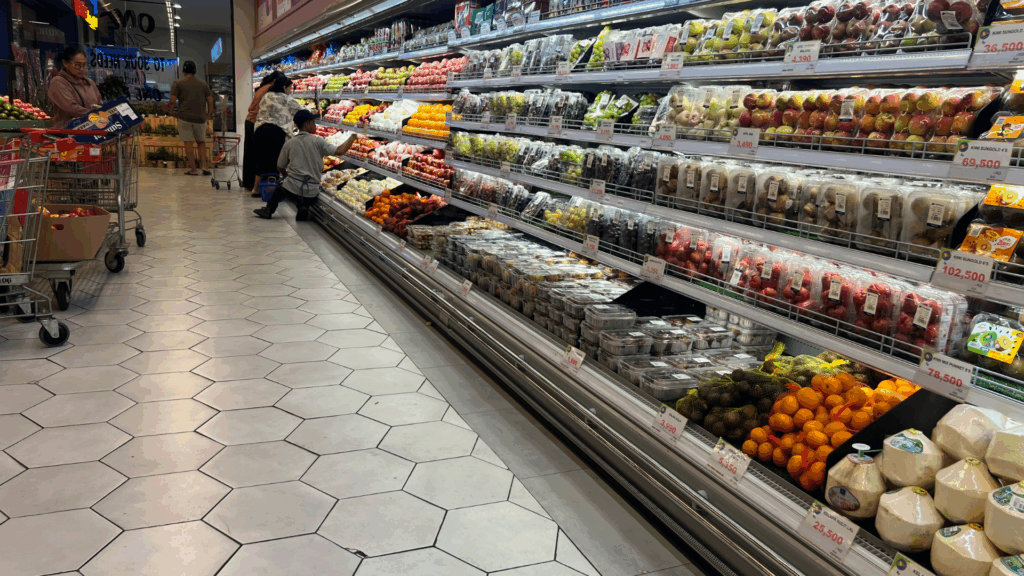
Walk into any grocery store and flowers, fresh produce, and the smell of baking bread immediately greet you. This isn’t an accident—it’s a strategy.
Stores position their most colorful, fresh items at the entrance to put you in a good mood. Research indicates that happy shoppers tend to spend more money. The bright produce section also creates what’s called the “health halo effect”—you feel virtuous buying broccoli, which makes you more likely to toss chips and cookies in your cart later.
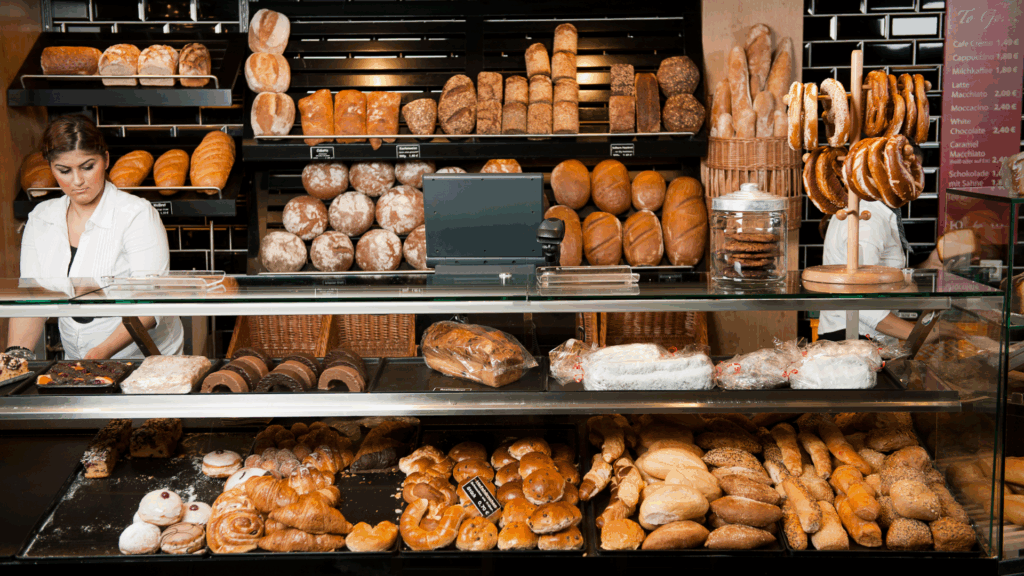
That bakery smell wafting through the air? Many stores use scent marketing machines to pump those aromas throughout the store, triggering your appetite and making everything look more appealing. Shopping while even slightly hungry is a recipe for overspending.
The Perimeter Trap Forces Maximum Exposure
Ever notice how milk, eggs, and bread are never together? That’s entirely intentional.
Grocery stores place essential items—the things almost everyone needs—in opposite corners or at the very back of the store. You need milk from the back right corner, bread from the back left, and eggs from the dairy case. This forces you to walk past thousands of products you didn’t plan to buy.
The longer you stay in the store, the more you spend. Research from Bangor University found that after just 23 minutes of shopping, customers shift from rational decision-making to emotional purchases. Your brain gets tired, your willpower weakens, and suddenly that premium ice cream seems entirely justified.
Most stores use a “racetrack” layout where you follow the perimeter to find fresh foods. To complete your shopping, you have to walk the entire loop, passing every tempting endcap and promotional display along the way.
Aisle Placement Isn’t Random
Stand in any grocery aisle and look at what’s directly at eye level. Those are the most expensive products.
Companies pay premium prices—sometimes thousands of dollars per store—for prime shelf real estate at adult eye level. Generic brands and better deals? They’re usually shelved near your ankles or above your head. You have to work to find them.
Kid-targeted cereals sit at children’s eye level for a reason. When your six-year-old spots that cartoon character staring right at them, the begging begins. Manufacturers know that parental resistance crumbles under persistent requests.
The middle of each aisle holds the most sought-after items. Endcaps—those displays at the end of aisles—feature products in huge stacks with big sale signs, creating the illusion of amazing deals. Often, these “specials” are regular-priced items positioned to appear like bargains.
Your defense: Shop the top and bottom shelves. Compare unit prices instead of package prices. Skip endcaps unless you already planned to buy that specific item.
Sensory Overload Weakens Your Resolve
Between the scent marketing, the sampling stations, and the carefully selected background music, grocery stores strategically assault your senses.
That fresh-baked cookie smell isn’t always coming from freshly baked cookies. Stores use scent diffusers to pump appetizing aromas through the ventilation system. The smell makes you hungry, and hunger makes you buy things you don’t need.
Free samples do double duty. First, the cooking smell draws you in and triggers cravings. Second, once you taste something, you feel obligated to buy it. Even if you skip that particular product, you’ve been primed to want food—any food—making everything else more tempting.
Stores also choose music carefully. Slow, soft background music encourages shoppers to move more slowly through aisles, spending more time browsing and ultimately purchasing more products.
Your defense: Eat before shopping. This single rule will save you hundreds of dollars per year. If you do sample something, walk away from that section before deciding whether to buy it.
The Checkout Line Gets One Last Chance
You made it through the store, mainly sticking to your list. Then you hit the checkout line.
Suddenly you’re surrounded by candy bars, gum, magazines, and trial-size products—all priced under $5. These impulse items are positioned here because stores know your decision-making ability is exhausted. That small price tag feels insignificant compared to your $150 grocery bill.
Kids spot candy at their eye level and launch their final campaign. You’re tired, your brain is fried from shopping decisions, and saying yes to a $2 candy bar feels easier than dealing with the tantrum.
Self-checkout lanes typically have fewer impulse items nearby, which is why they can actually save you money despite being designed for store efficiency.
Your defense: Use self-checkout when possible. Keep kids occupied during checkout. Remember that those “little” purchases add up to big money over time.
Fake Urgency Drives Unnecessary Purchases
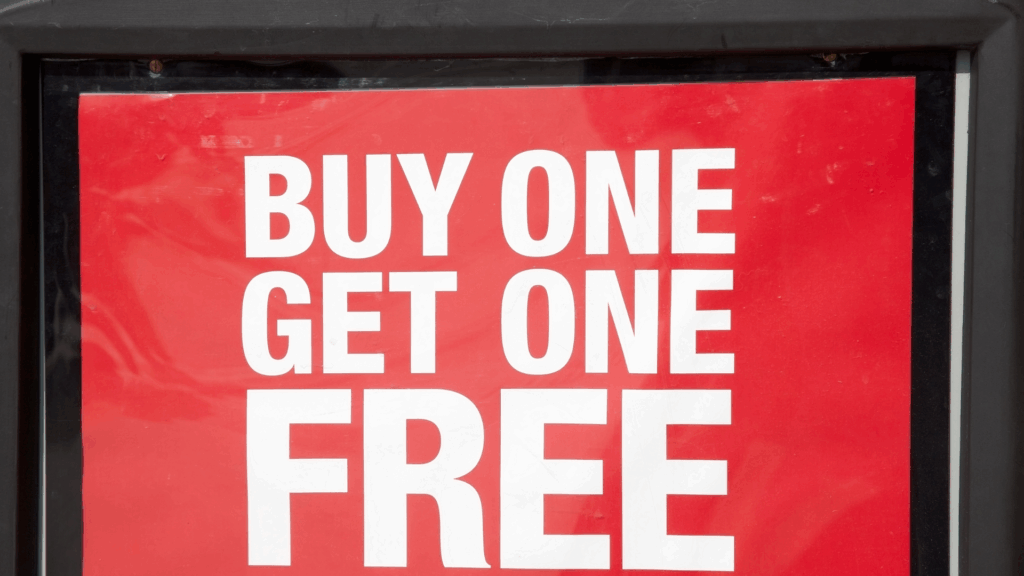
“Buy one, get one free!” “Limited time offer!” “While supplies last!”
These tactics create a false sense of urgency that pressures you into buying things you don’t need. Many sale items are products nearing their expiration date or seasonal inventory that the store needs to clear. Yes, you’re getting a deal—but only if you actually needed that item.
Bulk pricing can backfire, too. Sure, the giant container costs less per ounce, but if half of it spoils before you use it, you’ve wasted money. The same applies to “stock up” sales on perishables.
Loyalty programs track your spending habits and send you targeted offers based on your purchasing history. While some deals are genuine, others are designed to encourage you to spend more to reach reward thresholds that benefit the store more than you.
Your defense: Only buy sale items that are on your list. Calculate unit prices to verify actual savings. Be honest about whether you’ll use that much before it expires.
Colors and Packaging Play Mind Games
Warm colors, such as red, orange, and yellow, stimulate your appetite. Cool colors, such as blue and green, create a calming effect. These aren’t random design choices—they’re psychological manipulation.
Notice how snack food packages burst with warm, energetic colors, while organic products tend to lean toward earth tones and soft blues. Even the fonts used on packages are carefully selected to evoke specific emotional responses.
Character mascots on kid products are designed to make eye contact. Research from Cornell University found that cereal box characters gaze downward at about 9.6 degrees to meet children’s eyes perfectly. This creates a connection that makes kids want that product.
Premium packaging tricks you into thinking you’re buying a higher-quality product. Fancy boxes, metallic accents, and upscale fonts all cost money—money that you’re paying for without getting any additional product value.
Your defense: Read nutrition labels and ingredient lists, not marketing copy. Compare the actual contents of fancy packages to generic versions. Teach kids that cartoon characters are advertising, not friends.
Your Smart Shopping Battle Plan
Knowledge is power, but only if you act on it. Here’s how to shop smarter:
Before You Shop:
- Plan meals for the week and write a specific list
- Check what you already have at home
- Eat a solid meal or substantial snack
- Set a time limit for your shopping trip
In the Store:
- Go straight to the perimeter for whole foods first
- Only enter aisles where you need something specific
- Look up and down on shelves, not just straight ahead
- Check unit prices, not just the total package price
- Compare store brands to name brands—they’re often identical
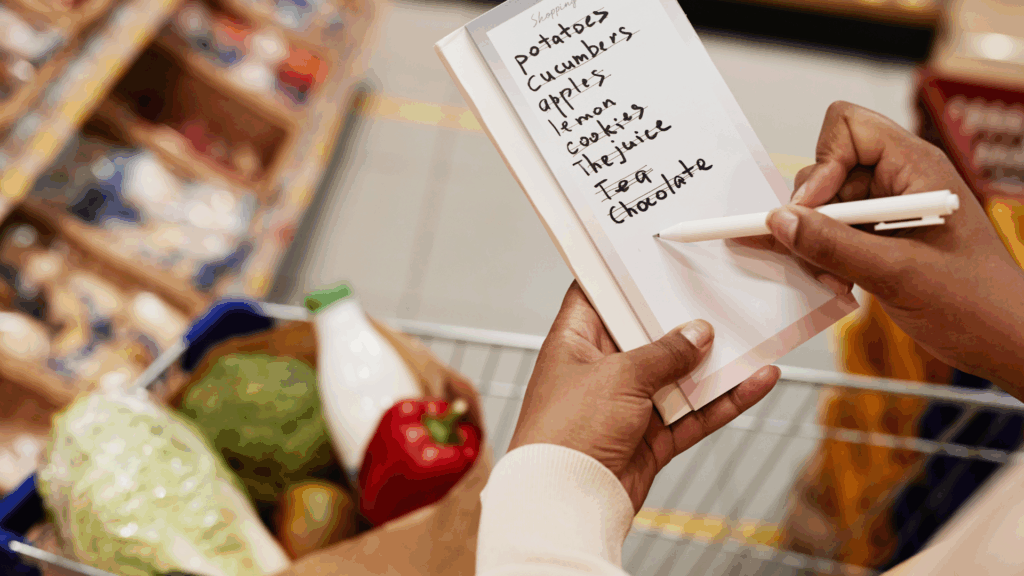
Alternative Approaches: Consider online ordering or curbside pickup for regular staples. Yes, there might be a small fee, but you’ll save more by avoiding the store’s psychological traps. You can compare prices at your leisure, stick to your list without distraction, and eliminate impulse purchases.
You can also bring only the cash you intend to spend. When the money’s gone, you’re done shopping. This physical limit forces you to prioritize needs over wants.
Take Back Control of Your Grocery Budget
Grocery stores employ teams of psychologists and consumer behavior experts to design spaces that maximize spending. Every element—from the shopping cart size to the floor tile pattern—has been tested and optimized to get more money from you.
But you’re not helpless. Understanding these tactics changes everything. When you recognize manipulation for what it is, you can make intentional decisions rather than emotional ones. That awareness, combined with a solid shopping plan, protects your budget from these carefully designed traps.
The average family spends over $700 per month on groceries. Eliminating just one unnecessary purchase per shopping trip could save you $50-$ 100 monthly—that’s $600-$ 1,200 per year that stays in your bank account instead of the store’s.
Final Thoughts on Grocery Shopping
Next time you shop, pay attention to these tactics in action. Notice how the store makes you feel. Watch where your eyes naturally land. Recognize when you’re being manipulated by scent or placement. That awareness is your most powerful tool for spending intentionally instead of impulsively.
Your money, your choice. Shop smart.