

The One-Hour Sunday Routine That Keeps Your Budget on Track
If your money feels chaotic by Wednesday, you are not alone. Bills show up at random times, a grocery run runs longer than planned, and suddenly you have no idea what is actually left in your checking account. The fix does not require a finance degree or hours of spreadsheet work. It just requires one hour, once a week, on the same day every time.
That day is Sunday. Before the new week starts, you sit down and take a clear look at where your money stands. This single habit is what separates a budget that actually works from one that just sits in a notebook collecting dust.
Why Sunday Is the Right Day for a Money Check-In

Sunday works because it sits at the hinge between one week and the next. You can look back at what actually happened with your spending, and you can look forward at what is coming up before it catches you off guard.
Most other days do not offer that same vantage point. Monday is already moving too fast, and by Friday you are just trying to survive the week you are in. Sunday gives you a pause button, and that pause is where the real budgeting happens.
There is also a psychological benefit here. Starting your week with a clear picture of your money reduces the low-level anxiety that comes from not knowing. You stop wondering if you can afford something and start knowing the answer, because you checked an hour ago.
What This Hour Actually Looks Like
An hour sounds like a lot until you break it into smaller pieces. Here is a simple structure that covers everything your budget needs without dragging on all afternoon.
- Review last week’s spending (15 minutes): Look at your bank and credit card transactions from the past seven days. Compare what you spent to what you planned to spend, and notice any categories that ran hot.
- Check upcoming bills and due dates (10 minutes): Scan the next seven to ten days for anything due. Confirm you have enough sitting in the account to cover each one.
- Update your budget categories (15 minutes): Adjust your spending categories based on what you learned in the first step. If groceries ran over, decide now whether that is a one-time thing or a sign you need to raise that category going forward.
- Plan the week ahead (15 minutes): Look at your calendar for the coming week. Note anything that will cost money, like a birthday, a doctor’s appointment copay, or a weekend outing.
- Move money where it needs to go (5 minutes): Transfer funds into sinking funds or savings accounts based on what you just planned. This is also the moment to pay any bills that are due before your next check-in.
None of these steps requires special software. A notebook, a budgeting app, or a simple spreadsheet will all get the job done. What matters is that you do all five steps, in some order, every single week.
Setting Up Your Space Before You Start

A little bit of setup makes this hour go faster every week after the first one. Pick a spot where you will not be interrupted, whether that is your kitchen table after everyone else is occupied or a quiet corner with a cup of coffee.
Gather what you need before you sit down instead of hunting for it mid-session. That usually means your phone or laptop for bank access, a notebook or budgeting app, and a calendar you can see clearly. Having everything in one place turns this from a chore into a routine you can move through on autopilot.
It also helps to set a timer. An hour can stretch into two if you let yourself get pulled into side tasks like reorganizing a spreadsheet or researching a purchase. The timer keeps you focused on the five steps above and nothing else.
Reviewing the Week That Just Ended
The first part of your Sunday session looks backward, and this is where most of the useful information lives. Pull up your transactions from the last seven days and go through them line by line. You are not judging yourself here, just gathering facts.
Group your spending by category as you go: groceries, gas, subscriptions, dining out, and anything else that fits your household. If you already use a budgeting app, most of this sorting happens automatically, which saves you time.
Pay close attention to categories that surprised you. A grocery bill that ran forty dollars over budget might mean prices went up, or it might mean an extra trip to the store for snacks. Either way, you want to know before it happens again next week.
Looking Ahead to What’s Coming
Once you know what already happened, shift your attention to what is coming next. Pull up your calendar and your list of recurring bills side by side. You are checking for two things: due dates and upcoming expenses that are not part of your normal routine.
Recurring bills are the easy part since they show up on a predictable schedule. The trickier expenses are the ones that pop up occasionally, like a car registration renewal, a kid’s school fundraiser, or a friend’s birthday dinner. Catching these on Sunday means you can plan for them instead of being surprised by them on a Thursday.
This is also the point where sinking funds become useful. If you know a $200 car repair is likely in the next month based on that check engine light, you can start setting aside money now rather than scrambling later. A quick weekly glance ahead turns big expenses into smaller, manageable pieces.
Adjusting Your Budget in Real Time
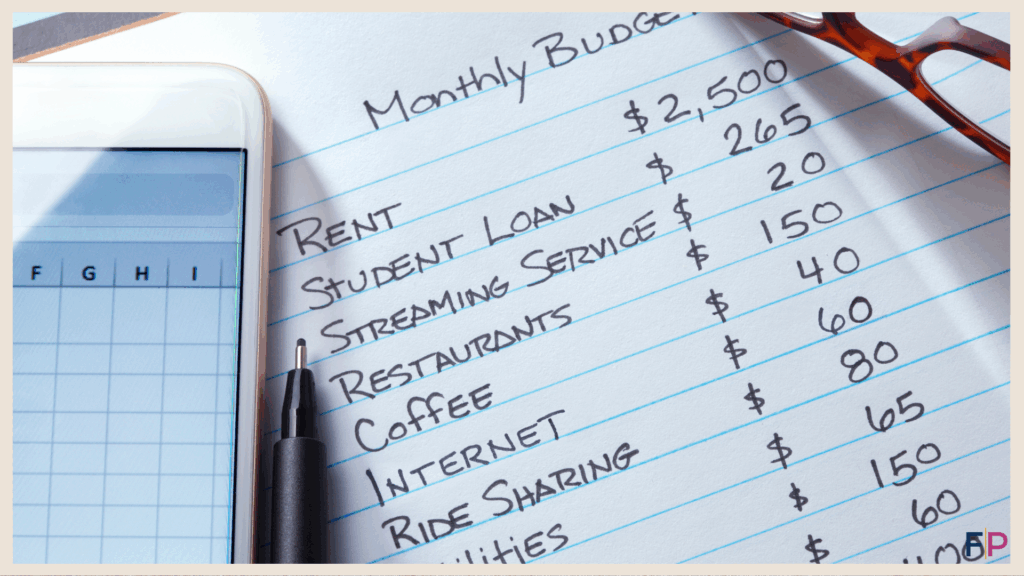
Budgets are not meant to be set once and forgotten. They are meant to flex as your actual life changes, and Sunday is when you make those adjustments. If one category consistently runs over, that is useful information rather than a failure.
Consider these common adjustments people make during their weekly review:
- Raising a category that keeps running short: If gas has gone over budget three weeks in a row, your gas budget was probably too low to begin with.
- Shifting leftover money into savings: If a category came in under budget, decide right then whether that money goes to savings or stays flexible for the week ahead.
- Pausing a subscription you forgot about: Weekly reviews are when unused subscriptions tend to surface, since you are looking at every transaction line by line.
Small adjustments like these keep your budget realistic instead of aspirational. A budget that matches your actual spending patterns is one you can actually stick to.
Making the Habit Stick
The hardest part of this routine is not the hour itself but remembering to sit down and do it. A few small habits can make Sunday money time feel automatic instead of optional.
Pair it with something you already do every Sunday, like folding laundry or planning meals for the week. Attaching a new habit to an existing one makes it far more likely to survive past the first few weeks. Set a recurring calendar reminder or phone alarm so the day does not slip past you during a busy weekend.
Keep the tools you use consistent from week to week. If you switch between three different apps or notebooks, you lose momentum rebuilding your system each time. Pick one method, stick with it for at least a month, and only change it if it genuinely is not working.
Give yourself permission to keep the session short some weeks. If life gets busy and you only have twenty minutes, use them to check bills and move money where it needs to go. A partial check-in still beats skipping the week entirely.
What Changes When You Do This Every Week

The first few Sundays might feel like extra work layered onto an already full day. Stick with it, because the payoff shows up fast once the habit takes hold. Within a month, you will likely notice fewer surprise overdrafts and far less anxiety when you open your banking app.
Your budget stops being a document you made once and forgot about. It becomes a living plan that adjusts with your actual life, week by week. That kind of steady, predictable rhythm is exactly what keeps frugal living sustainable instead of stressful.
One hour a week is a small trade for that kind of peace of mind. Pick your Sunday time slot, gather your tools, and give it a try this week. Your future self, standing in the grocery store checkout line with total confidence in her budget, will thank you.
Common Questions About the Sunday Routine
A weekly money habit like this one tends to raise a few practical questions, especially in the first month. Here are answers to the ones that come up most often.
What if Sunday does not work with your schedule? The exact day matters far less than the consistency. If Sunday evenings are packed with family dinners or Saturday mornings suit your household better, pick that day instead and stick with it every week.
What if you miss a week? Life happens, and one missed check-in will not undo your progress. Sit down as soon as you can afterward, even if it means combining two weeks of transactions into one session, and get back on schedule the following week.
Do you need a written budget already in place to start this? Not necessarily. You can begin the routine with nothing more than your bank account and a blank notebook, and let your first few sessions reveal what your actual spending categories should be.
What if your income varies week to week? Irregular income makes this weekly check-in even more valuable rather than less. Seeing your real numbers every Sunday lets you adjust spending in slower weeks instead of discovering the shortfall after the money is already gone.
Final Thoughts on Sunday Routines
A calm budget is not about getting everything perfect. It is about checking in often enough that small problems get caught before they turn into big ones.
One hour on Sunday gives you that check-in without taking over your whole day. Start this week, keep it simple, and let the routine do the work of keeping your finances steady.