
Frugal Gardening: How to Start with $20
You do not need raised beds, a greenhouse, or a truckload of bagged soil to grow your own food. You need a sunny spot, a few packets of seeds, and about $20. That is genuinely enough to get a productive garden off the ground this season.
Grocery prices keep climbing, and produce is often the first place your budget takes a hit. A single $20 garden can produce dozens of meals worth of vegetables over a summer. Once you see how little it actually costs to start, you may wonder why you waited this long.
Why Seed Starting Beats Buying Transplants
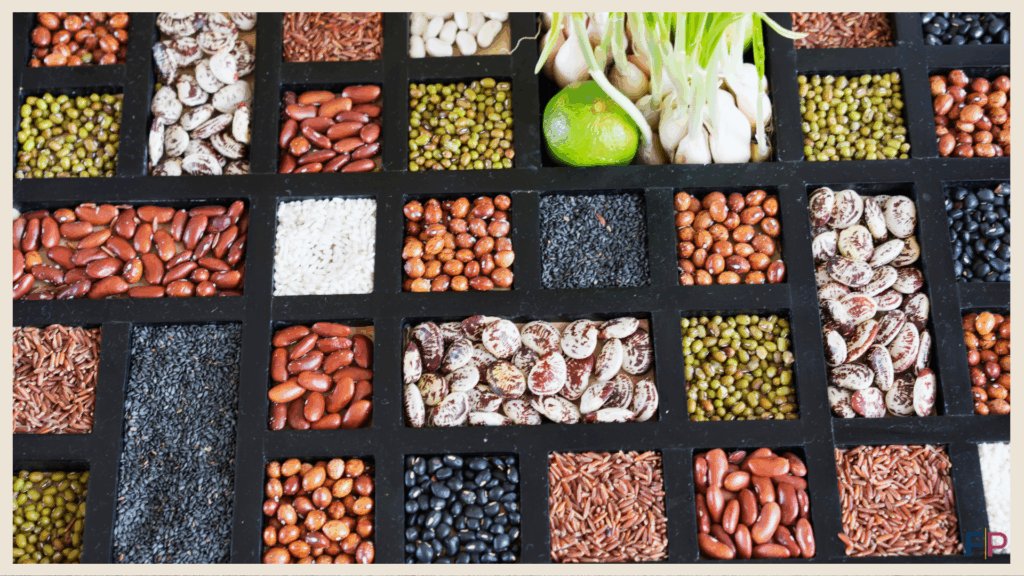
Garden centers love to sell you started plants in little plastic pots, and while they are convenient, they are also where most of your gardening budget disappears. A single tomato transplant can run $4 to $6, but a packet of tomato seeds costs about the same and gives you 20 to 30 plants.
Seeds also open the door to better variety. Nurseries tend to stock the same handful of popular hybrids, while seed catalogs and seed racks offer heirloom and specialty options bred for flavor, disease resistance, or small spaces. You get more control over what actually ends up on your plate.
Starting from seed does mean a bit more patience. You are trading a few weeks of waiting for real savings, and for most home gardeners, that trade is well worth it.
Where Your $20 Actually Goes
Here is a realistic breakdown of how far a small budget can stretch:
- Seed packets (5 to 6 varieties): $8 to $10
- A bag of seed-starting mix or compost: $5 to $7
- Reused containers for starting seeds indoors: free to $2
- A small bag of all-purpose fertilizer (optional, can be split with future seasons): $3 to $5
That budget assumes you already have basic tools like a trowel or watering can lying around the house. If you do not, a lot of secondhand and dollar store options exist that will get you through your first season without adding much to the total.
Choosing Seeds That Actually Pay Off
Not all vegetables give you the same return on your investment. Some crops are slow, finicky, or take up a lot of space for a small harvest, while others produce steadily for weeks or months from a single packet of seed.
For a first-time frugal garden, these are some of the best performers:
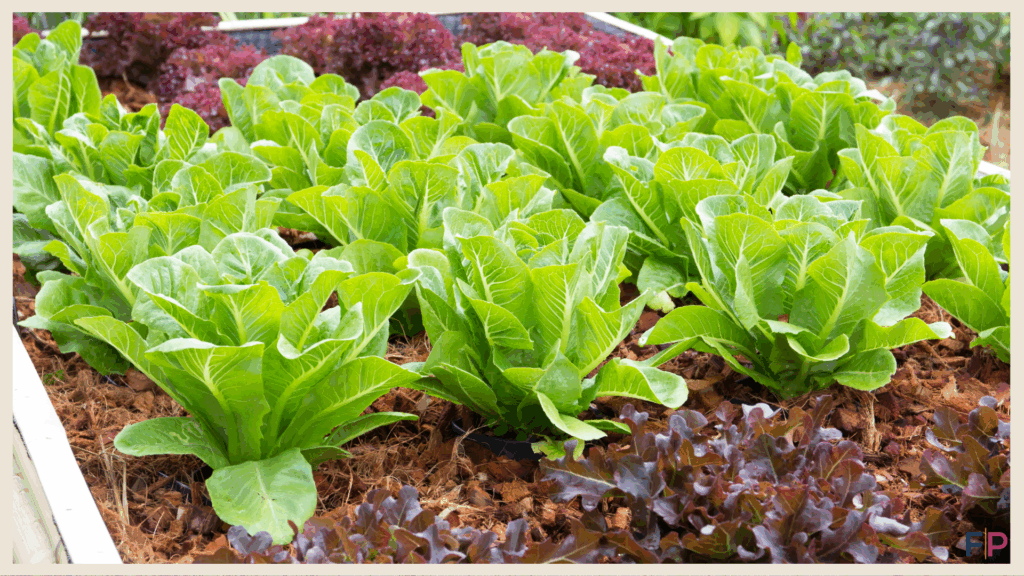
- Lettuce and leafy greens. Fast to grow, cut-and-come-again, and one packet can feed you salads for a whole season.
- Green beans. Prolific producers that keep giving once they start, especially bush varieties in small spaces.
- Zucchini and summer squash. A couple of plants can produce more than most households can eat, which makes them great for sharing or preserving.
- Tomatoes. A little slower to start, but a few healthy plants can provide fresh tomatoes for months.
- Herbs like basil and cilantro. They cost a fortune at the store fresh, and a single packet of seed will outlast what you would spend on plastic clamshells in one summer.
Skip anything labeled as difficult for beginners in your climate zone, at least for your first year. You want quick wins that build your confidence and keep your motivation high.
Starting Seeds Without Buying Special Equipment
You do not need a fancy seed-starting setup with grow lights and heat mats to get plants going. A sunny windowsill and some recycled containers will do the job for most warm-season crops.
Egg cartons, yogurt cups, and even toilet paper rolls work well as starter pots, as long as you poke a few drainage holes in the bottom. Fill them with seed-starting mix, plant your seeds at the depth listed on the packet, and keep the soil consistently damp but not soggy.
Once your seedlings have a couple of sets of true leaves and the weather has warmed, you can move them outside. This process, called hardening off, just means giving your plants a few days outside in a sheltered spot before transplanting them into the ground for good.
Building Soil Without Spending a Fortune
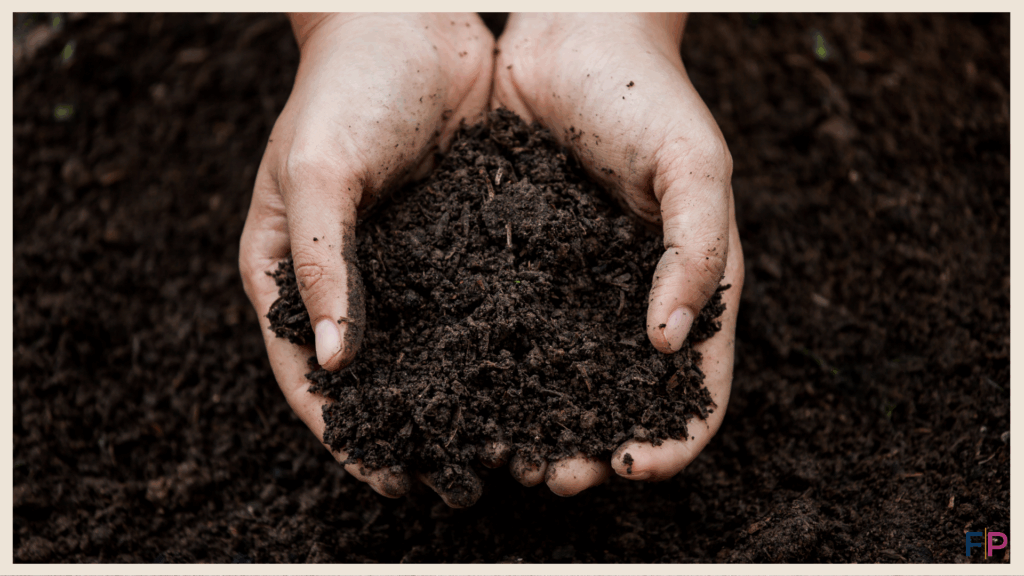
Good soil is the real secret to a productive garden, and you do not need to buy bag after bag of it. If you are working with an existing patch of ground, a layer of compost mixed into the top few inches can make a noticeable difference.
Compost does not have to come from a store. Kitchen scraps, coffee grounds, dried leaves, and grass clippings can all be turned into free compost over time. If you are just getting started this season and do not have compost ready yet, a single bag of compost or composted manure from a garden center is usually the cheapest soil amendment you can buy.
Raised beds and fancy garden boxes are lovely, but they are optional. A patch of ground, a large container, or even a few five-gallon buckets with drainage holes can grow just as much food.
Making the Most of Small Spaces
You do not need a big backyard to make this work. Container gardening on a patio, balcony, or even a sunny windowsill can produce a real amount of food if you choose the right crops.
Compact and bush varieties of vegetables are bred specifically for containers and small spaces. Look for words like “patio,” “bush,” or “compact” on your seed packets, since these varieties are built to stay smaller while still producing well.
Vertical growing is another way to stretch a small footprint further. Vining crops like cucumbers and pole beans can be trained up a trellis, a section of fencing, or even a few stakes tied together with twine.
Stretching Your Garden Budget Even Further
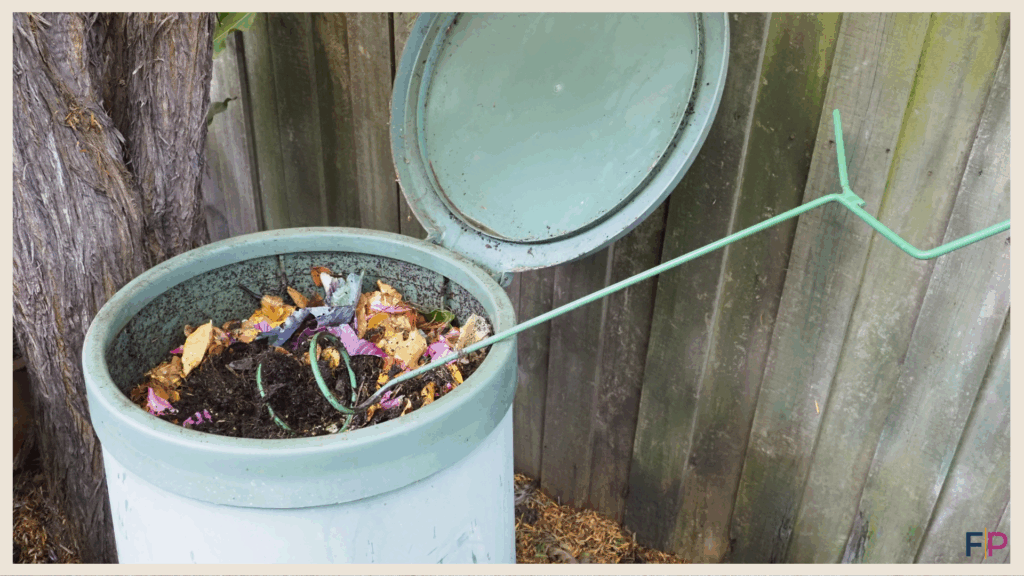
A little bit of planning goes a long way toward making your $20 stretch across the whole season and beyond. Consider these simple habits:
- Save seeds from open-pollinated plants at the end of the season so next year costs even less.
- Trade seeds and seedlings with neighbors, friends, or local gardening groups instead of buying everything new.
- Start a small compost bin so you are not paying for soil amendments every year.
- Reuse containers, plant markers, and stakes season after season rather than buying disposable versions.
Gardening tends to become cheaper every year you do it, since so much of the upfront cost is one-time equipment and a learning curve rather than an ongoing expense.
What to Expect From Your First Harvest
Your first garden will not be perfect, and that is completely normal. Some seeds will not sprout, a few plants may struggle, and you will learn more from what does not work than from what does.
Even a modest, imperfect garden can produce a surprising amount of food. A handful of tomato plants, a row of green beans, and some leafy greens can easily save you $10 to $20 a week at the grocery store during peak season.
Beyond the savings, there is something satisfying about eating a meal you grew yourself from a $20 investment. Many gardeners find that first taste of homegrown produce is what keeps them coming back season after season.
Timing Your Garden Right
One of the quickest ways to waste seed money is planting at the wrong time. Cool-season crops like lettuce, peas, and spinach actually prefer to go in the ground while the weather is still chilly, while warm-season crops like tomatoes and squash need the soil to warm up first.
Check your local frost dates before you plant anything outside. Most seed packets list planting windows relative to your last spring frost, so once you know that date for your area, the packet does the rest of the math for you.
If you jump the gun and plant warm-season seeds too early, you risk losing them to a late cold snap and having to start over. A few extra days of patience costs you nothing, while replacing seeds does.
Watering Without Wasting Money
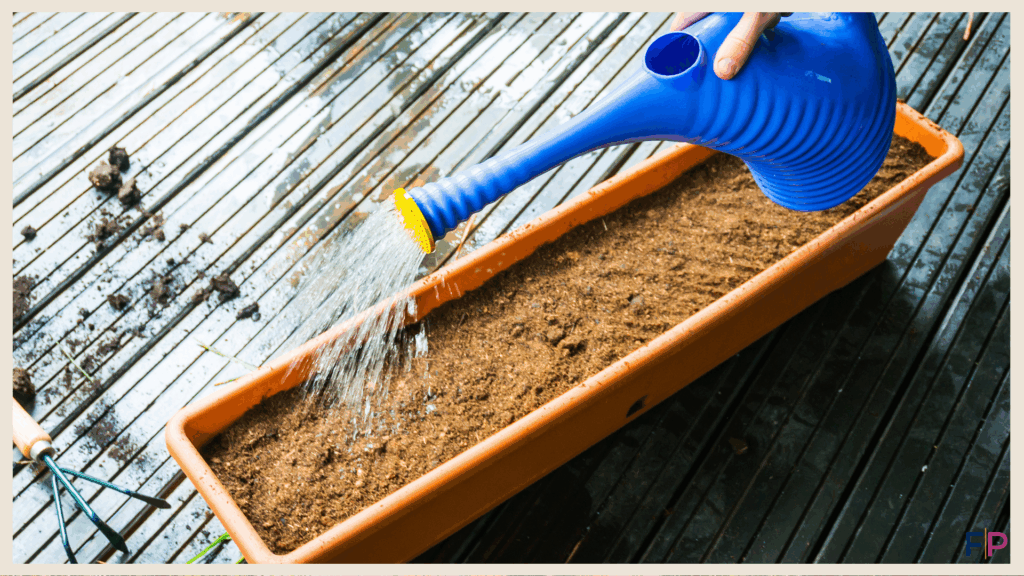
You do not need a drip irrigation system or a fancy hose attachment to keep your garden healthy. A watering can or a basic hose nozzle will cover most small to mid-sized gardens without any extra spending.
The bigger money-saver is watering smart rather than watering often. Deep, less frequent watering encourages roots to grow downward and search for moisture, which makes your plants more resilient during hot or dry stretches.
A layer of mulch, even something as simple as dried grass clippings or shredded leaves, can cut down significantly on how often you need to water. Less watering means a lower water bill and less time spent dragging a hose around the yard.
Dealing With Pests Without Buying Chemicals
Pest control is another area where garden centers would love to sell you a shelf full of products, but many effective solutions are already sitting in your kitchen or recycling bin. A simple mixture of dish soap and water in a spray bottle handles many common soft-bodied pests like aphids.
Companion planting is a free strategy worth trying as well. Marigolds, for example, are inexpensive to grow from seed and are known for helping deter certain pests when planted near vegetables.
Handpicking larger pests like caterpillars or beetles off your plants is not glamorous, but it works, and it costs absolutely nothing. Checking your garden every day or two for a few minutes lets you catch problems early, before they turn into a bigger headache.
Common Beginner Mistakes to Avoid
A few small missteps account for most of the frustration new gardeners run into, and knowing them ahead of time can save both money and disappointment.
- Planting too many seeds too close together, which leads to weak, overcrowded plants competing for the same nutrients.
- Overwatering, which is actually a more common problem than underwatering and can rot roots before you notice anything is wrong.
- Choosing a spot with too much shade, since most vegetables need at least six hours of direct sun to produce well.
- Giving up after one setback, when a failed batch of seeds or a struggling plant is simply part of learning how your specific yard behaves.
None of these mistakes are expensive to fix once you know to watch for them. Most gardeners make each of these at least once, so do not let a rough start discourage you from trying again.
Turning One Season Into a Long-Term Habit

The real payoff of frugal gardening shows up over multiple seasons, not just the first one. Once you have a few tools, some reusable containers, and a basic understanding of your yard, each following year gets cheaper and easier.
Saving seeds from your best-performing plants is one of the simplest ways to build on your investment. Beans, peas, and lettuce are especially beginner-friendly for seed saving, since the process is straightforward and does not require special equipment.
Keeping a simple notebook or notes app record of what you planted, when, and how it turned out can also save you money down the line. You will know which varieties to repeat, which to skip, and roughly when to start your seeds without having to relearn everything from scratch.
Final Thoughts
Starting a garden does not require a big budget or a lot of experience, just a willingness to try. With around $20, some seeds, and a sunny spot, you can grow real food and stretch your grocery budget further than you might expect.
Start small, choose crops that reward your effort quickly, and let your garden grow along with your confidence. If you are ready to put those grocery savings to work in the rest of your budget too, the Frozen Pennies Budget Planner at frozenpennies.com can help you track every dollar you save.