
The Lazy Gardener’s Guide to Homegrown Food
You love the idea of a garden. Fresh tomatoes on the counter, a handful of herbs whenever you need them, a little more control over your grocery bill. What you don’t love is spending every weekend on your knees pulling weeds or babysitting seedlings like they’re newborns.
Good news: you don’t have to choose between homegrown food and having a life. A garden can absolutely run on low effort if you set it up the right way from the start. This guide is for anyone who wants real, fresh produce without turning their backyard into a second job.
Start Small, Stay Sane
The single biggest mistake first-time gardeners make is planting too much. A sprawling garden sounds impressive, but it also means more watering, more weeding, and more decisions about what to do with six zucchini plants when you only needed one.
Pick a handful of vegetables you actually eat on a regular basis. A few tomato plants, a couple of herbs, and one or two easy vegetables are plenty for your first season. You can always expand once you know how much time you’re realistically willing to give it.
Smaller also means cheaper. Fewer plants means less spent on soil, seeds, and supplies, which fits nicely into a frugal approach to homegrown food.
Know Your Climate Zone Before You Plant
Before you buy a single seed packet, it helps to know what your climate zone can actually support. The US is divided into USDA Plant Hardiness Zones based on average winter temperatures, and yours plays a huge role in what will grow well with minimal fuss. A quick search for “USDA hardiness zone” plus your zip code will tell you exactly where you land.
Your zone affects more than just which plants survive. It also determines your growing season length, your last frost date in spring, and your first frost date in fall, all of which decide when you can safely plant and how long you have to harvest. Someone gardening in Minnesota is working with a much shorter window than someone in Georgia, and trying to grow the same way regardless of that difference is a recipe for frustration.
This matters even more for a low-effort garden, since fighting your climate is one of the most exhausting things you can do. Plants that are well matched to your zone need less babying because the conditions already suit them. Seed packets and plant tags usually list which zones a variety grows best in, so check that before you fall in love with something at the garden center.
A few climate-related shortcuts worth knowing:
- Warmer zones (roughly 8 and up) can often grow heat lovers like okra, peppers, and sweet potatoes with very little extra care.
- Cooler zones (roughly 6 and below) tend to have great luck with cold-hardy crops like kale, lettuce, and peas, especially planted in early spring or fall.
- Shorter growing seasons favor fast-maturing crops like radishes and bush beans over anything that needs a long stretch of warm weather to fully ripen.
- Local extension offices, which exist in every state, offer free planting calendars tailored to your specific area and are worth a quick look before you start.
Matching your plant choices to your zone from the start means less replanting, less troubleshooting, and a garden that mostly does what it’s supposed to without you fighting the weather the whole season.
Choose Plants That Do the Work For You
Some vegetables practically grow themselves. Others need constant attention, staking, pruning, and pest patrol. If low effort is the goal, your plant list matters more than almost anything else.
Good low-maintenance options for a US garden include:
- Cherry tomatoes: Productive, forgiving, and less fussy than their full-size cousins.
- Zucchini and summer squash: Fast growing and generous with their harvest.
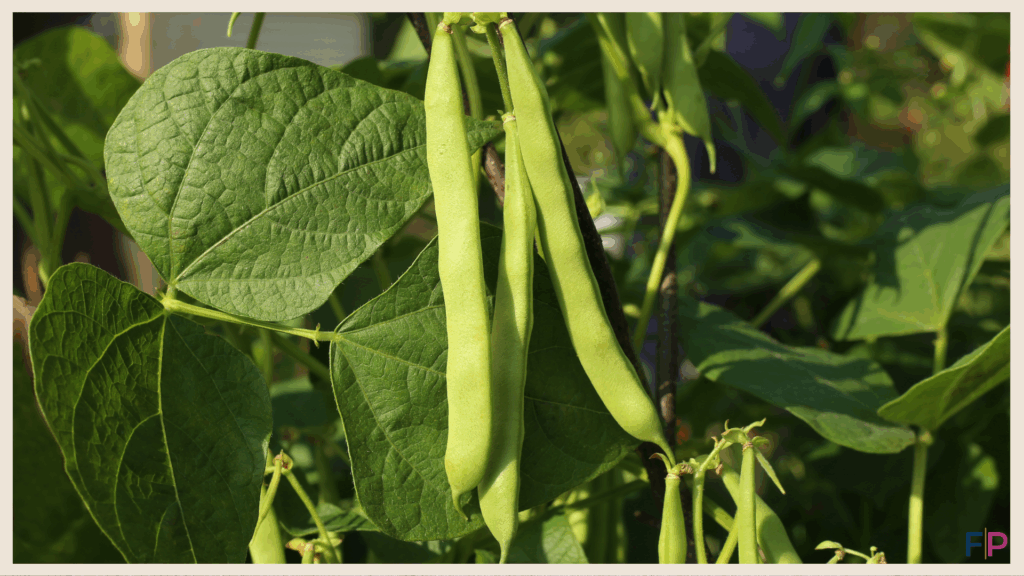
- Green beans: Plant once and pick for weeks with minimal fuss.
- Radishes: Ready in as little as three to four weeks, with almost no care required.
- Leaf lettuce: Cut what you need and let the plant keep growing back.
- Herbs like basil, mint, and chives: Hardy, forgiving, and useful in the kitchen almost every day.
Root vegetables like carrots and potatoes also tend to thrive without much attention once they’re in the ground. Skip anything labeled as needing frequent pruning, staking, or specific temperature ranges unless you already know you enjoy that kind of detail work.
Skip the Digging With No-Dig or Container Beds
Traditional gardening often starts with breaking up soil, which is exhausting and not exactly beginner friendly. You can skip that step entirely.
A no-dig raised bed lets you layer cardboard, compost, and soil right on top of your existing ground. The cardboard smothers grass and weeds underneath while the layers above become a ready-to-plant bed. No tilling, no back strain, and far less weeding down the road since the weed seeds below never get the chance to sprout.
Containers work just as well if you’re short on space or want to avoid yard work altogether. A large pot on a patio can grow tomatoes, peppers, or herbs with the same ease as an in-ground bed, and you control the soil quality completely from day one.
Straw bale gardening is another low-effort option worth considering. You plant directly into a conditioned straw bale instead of digging a bed at all. It costs less upfront than building raised beds, and at the end of the season, the broken-down straw becomes compost for next year.
Let Mulch Do the Weeding For You
If there’s one shortcut that saves more time than almost anything else, it’s mulch. A two to three inch layer of straw, shredded leaves, or grass clippings on top of your soil blocks sunlight from reaching weed seeds, which means far fewer weeds pushing through.
Mulch also holds moisture in the soil, so you’re not out there watering every single day. Lay it down once after planting and just top it off occasionally as it breaks down over the season. It’s a small task at the start that pays off in freed-up time all summer long.
Automate Your Watering
Hand watering with a hose is one of the most time-consuming garden chores there is, and it’s also easy to get wrong. Too little water stresses your plants, while too much wastes it and can invite root problems.
A soaker hose or basic drip irrigation kit solves this in one move. You lay the hose along your plants, connect it to a spigot, and water slows down to a steady drip right where the roots need it. Pair it with an inexpensive battery-powered timer, and your garden gets watered on schedule whether you remember or not.
This upfront setup costs a little time and a modest amount of money, but it removes one of the most repetitive tasks in gardening completely.
Group Plants By Their Needs
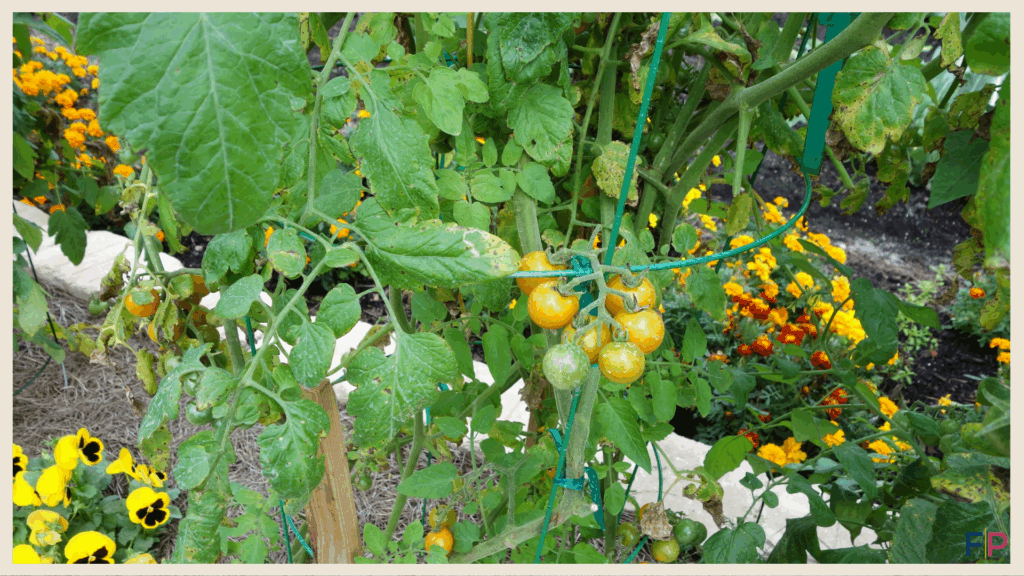
Not every vegetable wants the same amount of sun or water, and trying to manage a mixed bed can turn into constant guesswork. Grouping plants with similar needs together simplifies everything.
Put thirsty plants like tomatoes and cucumbers in one area, and drought-tolerant herbs like rosemary or thyme in another. This way you can water each section appropriately instead of overwatering one group to satisfy the other. It also makes it easier to set up mulch and irrigation, since each zone gets treated the same way.
Design Paths You Can Actually Use
It sounds like a small detail, but wide, clear paths between your beds make a real difference in how much effort gardening feels like. Squeezing between overgrown plants to reach a weed or a ripe tomato is frustrating and often damages the plants around it.
Leave enough space to walk comfortably and kneel down when you need to. Covering those paths with wood chips or straw keeps them from turning into mud and cuts down on weeds growing in the walkways too.
Handle Pests Without Declaring War
Pest problems can feel overwhelming if you picture yourself inspecting every leaf every day. That’s not necessary for a low-effort garden. Most home gardens can get by with a light touch instead of a full battle plan.
Healthy, well-spaced plants naturally resist pests better than crowded, stressed ones, so a lot of prevention happens automatically once you’ve followed the earlier steps. Beyond that, a few simple habits go a long way:
- Check plants when you’re already out there watering or harvesting, rather than making separate pest patrol trips.
- Handpick larger pests like caterpillars or beetles when you spot them instead of reaching for a spray.
- Choose disease-resistant varieties when you’re buying seeds or seedlings, since many seed companies label these clearly.
- Accept some imperfection. A few nibbled leaves rarely ruin a harvest, and chasing a completely pest-free garden takes far more effort than it’s worth.
If something does get out of hand, an insecticidal soap or neem oil spray from the garden center handles most common problems without requiring specialized knowledge.
Get Started Without Spending Much
A lazy garden and a frugal garden tend to go hand in hand, since both are about doing less for more result. You don’t need raised garden beds, fancy tools, or a greenhouse to grow real food.
Secondhand containers, five-gallon buckets with drainage holes drilled in the bottom, and even old dresser drawers can all hold soil and grow a plant. Community groups and local buy-nothing pages are often full of free pots, tools, and even extra seedlings from gardeners thinning out their own starts. Seed packets cost only a few dollars and typically contain far more seeds than one household needs, so splitting a pack with a friend or neighbor cuts the cost even further.
If you want to skip seed starting altogether, many garden centers sell young seedlings in spring for a modest price. It costs a little more per plant than starting from seed, but it saves weeks of indoor setup and reduces the odds of losing plants to inexperience early on.
Keep Expectations Realistic
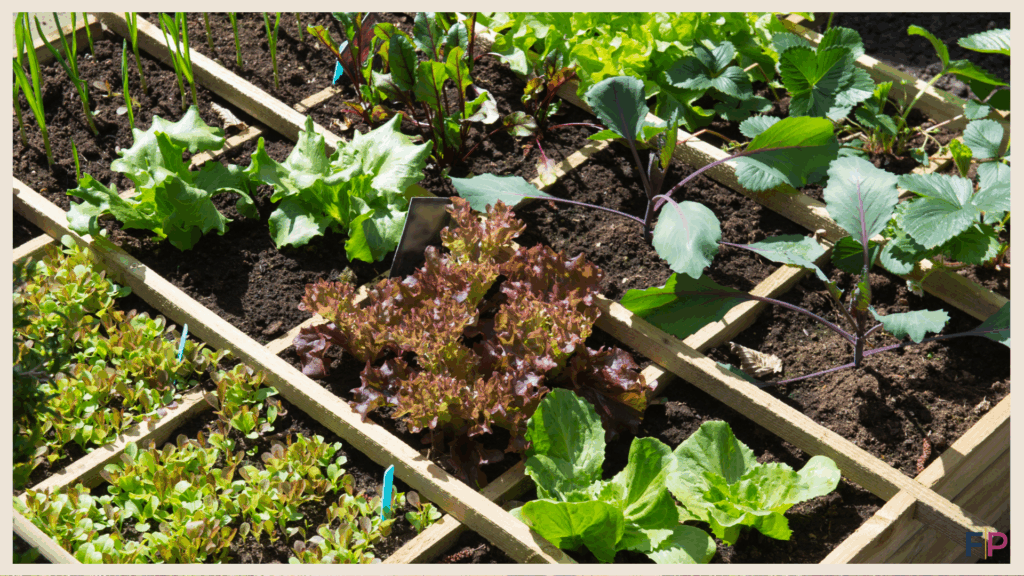
A low-effort garden isn’t a no-effort garden. You’ll still need to plant, water occasionally, and harvest when things are ready. The difference is that everything is set up to minimize the repetitive, exhausting parts so what’s left actually feels enjoyable.
Give yourself permission to have an imperfect garden. A few weeds here and there or a plant that doesn’t quite thrive isn’t a failure. It’s just gardening, and even a small, low-maintenance harvest is real food you didn’t have to buy.
Final Thoughts on Lazy Gardening
A lazy garden still puts fresh produce on your table. Cherry tomatoes warm from the sun, herbs snipped fresh instead of bought wilted in plastic, a handful of radishes that took almost no effort to grow. Homegrown food doesn’t have to come from hours of labor to be worth it.
Start small, choose forgiving plants, and let a few smart shortcuts like mulch and drip irrigation carry the load. You’ll spend less time working and more time actually enjoying what you grew.