

How I’m Prepping for Winter Without Panic (Just Planning)
Cold weather has a way of making people feel behind. One chilly morning you realize the storm season is closer than you thought, and suddenly it feels like you should have done something weeks ago. The good news is that getting ready for winter doesn’t have to be a frantic rush to the store or a big hit to your budget.
The secret is treating winter prep less like emergency survival mode and more like a slow, steady game plan. Small steps taken over a few weeks add up to a home that feels genuinely ready, without the stress or the spending spree.
Start With What You Already Own

Before you buy a single thing, do a quick walk through your house. Pull every spare blanket out of closets and storage bins, gather all the flashlights you can find, and check what candles or matches you already have on hand. You’ll almost certainly discover you own more useful stuff than you realized.
This matters because the goal of winter prep isn’t to build a bunker or spend hundreds of dollars on gear. It’s to organize what you have, fill in the genuine gaps slowly, and feel confident your household is covered.
Take Stock Room by Room
A simple once-through the house at the start of fall sets you up better than any last-minute store run. Check windows and doors for drafts you can seal with weatherstripping or even a rolled towel. Test your smoke and carbon monoxide detectors and swap out any dead batteries while you’re thinking about it.
While you’re at it, take a look at your gutters and roof if you can do so safely. Clogged gutters and undetected roof issues can cause real damage once ice and snow move in. This kind of seasonal home check takes an hour or two and costs almost nothing, but it pays off all winter long.
Stocking Up the Cozy, Calm Way
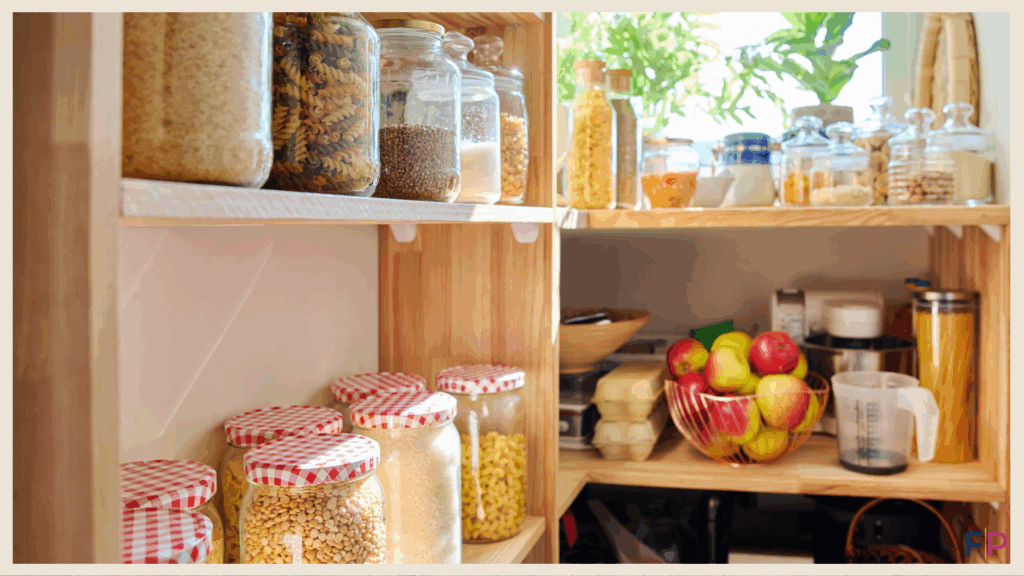
Food and water prep sounds daunting until you realize how small and budget-friendly it actually is. The goal is a simple baseline: roughly three days of food per person that doesn’t require cooking or refrigeration.
Think peanut butter, crackers, canned beans, canned fruit, and instant oatmeal. You’re not filling a warehouse; you’re just making sure your pantry can carry your household through a few rough days.
Buy these items a little at a time, whenever they go on sale. Add two cans of soup this week. Grab a jar of peanut butter next week when it’s marked down. Over four to six weeks, you’ll have a solid food buffer without ever noticing a big dent in your grocery budget.
Water, Medicine, and Comfort Items
For water, the recommendation is one gallon per person per day for at least three days. Instead of buying expensive single-use bottles, clean out old milk jugs or invest once in a large five-gallon container. It’s a fraction of the cost and far less plastic waste.
Don’t overlook a small medicine basket. Pain reliever, cold and flu medicine, a thermometer, and any prescription medications you take regularly are easy things to forget until you actually need them. If possible, try to keep at least a month’s supply of prescription medications on hand going into winter.
Finally, add a few comfort items to your stock-up list. Cocoa powder, oats, flour, and sugar cost very little and open the door to cozy homemade treats on the coldest days. Having those ingredients on hand means hot chocolate and fresh bread are always an option, regardless of what the weather is doing outside.
Making Your Home Winter-Ready

One of the frugalest warmth strategies around is picking a single “warm room” in your house before you ever need it. In a power outage or a situation where heating costs spike, concentrating your household in one room and sealing it off with blankets over windows and door draft stoppers can make a real difference in comfort and cost.
Layer in some frugal warmth tricks you may not have thought about. Old newspapers tucked between blanket layers add insulation in a pinch. Layering regular clothes, including two pairs of socks and a hat worn indoors, keeps you comfortable without touching the thermostat. These aren’t outdated tips; they’re practical ones that actually work.
A Simple Fall Cleaning Rhythm
Getting your home organized before winter hits also helps with the mental load. A simple room-by-room tidying rhythm in October, even just one room a week, means your home feels calmer and more manageable when the cold, gray days set in. Clutter has a way of amplifying stress, and a cozy, organized home makes winter feel much more bearable.
This is also a good time to gather everything you’d need in an outage into one spot: flashlights, extra batteries, matches, tea candles, and a phone charger or battery pack. You don’t need expensive gear. Dollar store tea lights work perfectly, and solar garden lights brought inside can provide surprisingly useful ambient lighting during an outage.
A Simple Winter Emergency Plan
Building a small home emergency kit doesn’t have to be complicated or expensive. Start with what you already own, add a few low-cost items over time, and you’re covered for the most common winter disruptions. A basic first-aid kit, a battery-powered or hand-crank weather radio if the budget allows, and a simple document folder with insurance cards and emergency contacts rounding out the basics.
Your car deserves the same attention. A winter car kit doesn’t need to be purchased all at once; build it gradually from sales and things you may already own. The core items are:
- A warm blanket and a pair of gloves
- A small bag of snacks and a bottle of water
- An ice scraper and a small folding shovel
- Jumper cables and a set of hand warmers
- A phone charger or battery pack
Keep your gas tank at least half full during winter months. Running on fumes in cold weather is both a safety risk and a stressful position to be in when you least want stress.
Sign Up for Free Local Alerts
One of the easiest and most completely free things you can do is sign up for your local emergency alert system. Most counties and cities in the US offer text or email alerts for severe weather, road closures, and utility outages. It takes five minutes to set up and keeps you informed without having to monitor anything.
Frugal Habits That Make Winter Easier

The real secret to feeling financially ready for winter is building prep into your normal budget before the season arrives. A small sinking fund, even just five dollars a week set aside starting in August, adds up to over a hundred dollars by November. That’s enough to cover higher heating bills, a few pantry stock-ups, and any small gear needs without feeling like a budget crisis.
If you happen to have a windfall, an extra paycheck month, a tax refund, or a bonus, winter prep is a smart place to put part of it. Stocking up on clearance winter gear at the end of the season, prepaying a month of utilities, or adding to your emergency fund are all moves that make next winter feel paid-for before it starts.
Stretch Your Budget With Old-Fashioned Skills
Vintage frugal skills are genuinely useful here. Basic sewing lets you mend worn socks and patch outerwear rather than replacing it. Knitting or crocheting scarves and hats costs very little in yarn and produces gifts, personal gear, and a cozy hobby all at once. Cooking from scratch, especially a rotation of soups, beans and rice, oatmeal, and homemade bread, keeps your grocery bill low while delivering exactly the kind of warm, filling meals winter calls for.
These habits aren’t about deprivation. They’re about reclaiming skills that make you less dependent on spending and more confident in your ability to take care of your household.
Cozy, No-Spend Winter Fun
Here’s something worth holding onto: the prep you do now sets you up for genuinely enjoyable winter weekends. When the pantry is stocked and the house is ready, a winter storm feels less like a threat and more like an excuse to stay in and make something good.
Hot chocolate from cocoa powder you stocked up on costs pennies. Cookies from flour and sugar you already have are free beyond the ingredients. A blanket fort in the living room, a board game marathon, an indoor “campout” in your warm room, a bread-baking Sunday: these are the kinds of no-spend, deeply satisfying days that cold weather actually makes possible.
Rituals That Make Winter Something to Look Forward To
Consider picking two or three simple weekend rituals to rotate through from November to March. Game night one week, soup-and-bread Sunday the next, a long walk in the neighborhood when the weather cooperates. These small rituals cost almost nothing and give winter a shape and a rhythm that makes it feel intentional rather than something you’re just waiting out.
The mindset shift here is real: winter prep isn’t about fear. It’s about making choices in advance so that when the cold arrives, your household is warm, your pantry has what you need, and your weekends have something to look forward to. That’s a pretty good place to be.
Your Winter Game Plan, Step by Step
Getting ready for winter feels manageable when you break it into small, weekly actions rather than one big overwhelming task. Here’s a simple starting framework you can adapt to your own household:
- Before October: Do the home check. Drafts, detectors, gutters. Identify your warm room.
- October: Gather all blankets, flashlights, candles, and batteries into one spot. Assess what’s missing.
- October through November: Add two to three pantry items per grocery trip: peanut butter, canned goods, oats, cocoa.
- November: Assemble your car kit from what you own, then fill gaps from sales.
- Ongoing: Set aside even a few dollars a week into a winter prep sinking fund.
Final Thoughts on Winter Prep
None of these steps is expensive. None of them requires a big commitment of time. Taken one at a time over six to eight weeks, they add up to a home that’s genuinely ready for whatever winter brings.
The goal isn’t perfection. It’s preparation: calm, steady, budget-friendly preparation that leaves you feeling confident rather than caught off guard. That’s a winter worth looking forward to.