
Old-Fashioned Habits That Make Modern Life Easier
Your grandmother never owned a productivity app, and she still managed to keep a clean house, feed her family on almost nothing, and somehow have energy left over for a Sunday nap. There was no secret. She just followed a handful of simple, repeatable habits that modern life has largely talked us out of.
Old-fashioned doesn’t mean outdated. Many of the routines your grandmother relied on were built for exactly the problems you’re dealing with now: too much to do, too little time, and a budget that needs to stretch further than it used to. Bring a few of these habits back into your week and you may find that homemaking suddenly feels a lot less chaotic.
Grandma-Tested Systems for a Calmer Home
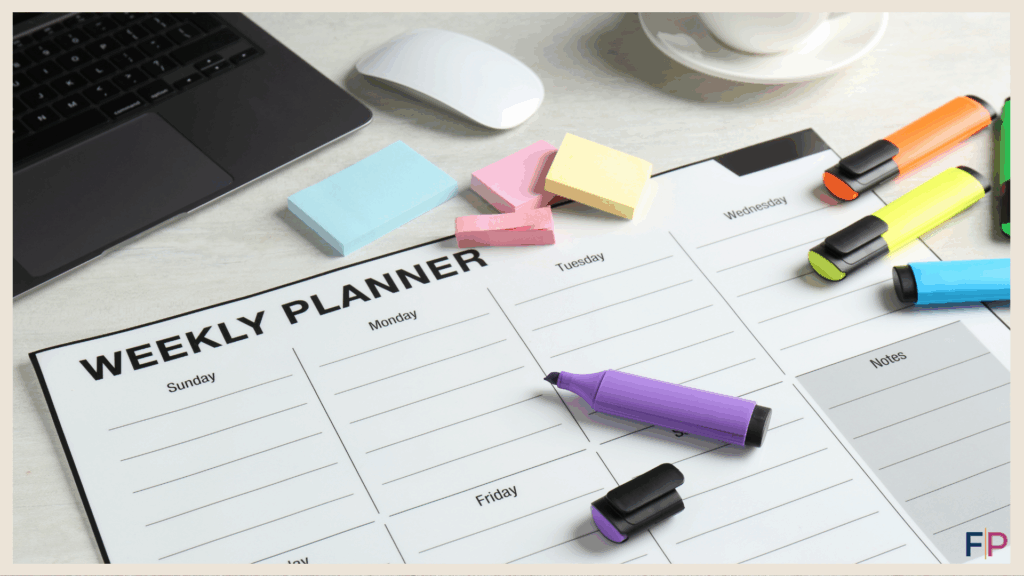
Before smartphones and shared calendars, households ran on rhythm instead of reminders. That rhythm did more than keep the house running. It gave everyone in the family a sense of what to expect, which took a lot of the mental load off the person in charge of it all.
A Weekly Rhythm Beats a Complicated Planner
Many households once assigned specific days to specific chores. Laundry happened on Monday, ironing on Tuesday, baking on Friday, and so on. You didn’t have to decide what needed doing because the calendar already told you.
You can build the same kind of rhythm without owning a single planner. Pick one or two tasks per day of the week (grocery shopping on Tuesdays, bathrooms on Thursdays) and let that become your default. Once the pattern sets in, you stop wasting energy deciding what to do and just do it.
Daily Structure Instead of Constant Multitasking
Rather than reacting to mess all day long, older generations often broke the day into simple blocks: a morning tidy, an afternoon prep session, and an evening reset before bed. That structure kept the house from spiraling into chaos by dinnertime.
Try picking three short windows in your own day and giving each one a single job. A ten-minute morning tidy, twenty minutes of afternoon meal prep, and a five-minute evening reset can cover more ground than an entire day of scattered multitasking.
The Lost Art of a True Rest Day
Many traditional homes treated Sundays as an actual day off. Meals were simpler, housework paused, and the whole family got a weekly reset. That built-in pause kept people from burning out during the other six days.
You don’t need a religious reason to bring this back. Choose one day a week where you allow yourself simpler meals and lighter chores on purpose. Your future self will thank you when Monday rolls around and you’re not already exhausted.
Kitchen Habits That Make Life Easier
The kitchen is where old-fashioned frugality really shines. Grandma didn’t have a pantry app either, but she rarely wondered what to make for dinner, and she almost never ran to the store for a forgotten ingredient.
Cooking From Scratch Really Is Cheaper
Basic, home-cooked meals cost less, fill you up more, and cause a lot less stress than convenience food and takeout. It takes a little more hands-on time, but that time usually pays for itself in the grocery total and in how you feel afterward.
You don’t need complicated recipes to make this work. Simple, humble meals like potato soup, rice and beans, vegetable soup with homemade bread, or a stretched meatloaf are comforting, filling, and easy on the budget, just like they were during the Depression era.
Eating at Home Is the Default, Not the Exception
Restaurant meals used to be a rare treat instead of a weeknight habit. Packing lunches, planning meals ahead, and cooking in bulk cuts way down on last-minute fast food runs and the frazzled “what’s for dinner” scramble.
| Habit | What Grandma Did | Modern Benefit |
|---|---|---|
| Cooking from scratch | Used staple ingredients and simple recipes | Cheaper meals, less processed food, fewer takeout orders |
| Eating at home | Treated restaurant meals as rare | Bigger food budget savings, more control over nutrition |
| Pantry staples | Kept basic ingredients stocked | Faster meal decisions, fewer grocery trips |
| Making stock | Simmered bones and scraps | Less food waste, more flavor for free |
Stock Your Pantry Like It’s 1943
Keeping beans, rice, flour, oats, canned tomatoes, and basic spices on hand means you can throw together a decent meal even on a night when you didn’t plan ahead. This one habit alone can eliminate a lot of impulse takeout orders.
Saving vegetable scraps and bones for homemade stock is another small habit with a big payoff. It costs you almost nothing, reduces food waste, and gives your soups far more flavor than anything from a box.
The Make-Do-and-Mend Mindset
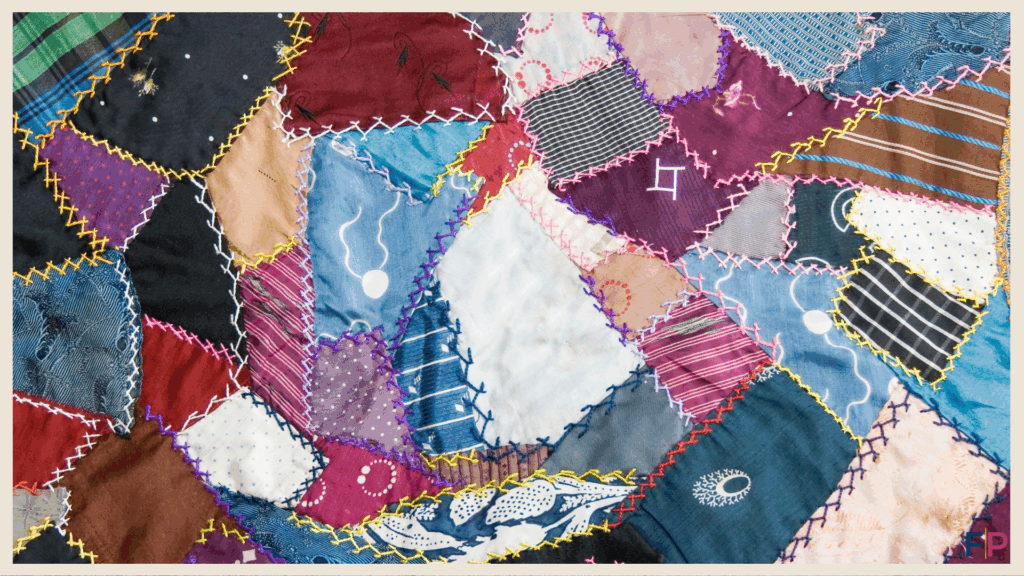
During the 1940s, “Make Do and Mend” wasn’t a slogan. It was a survival skill. That same mindset still saves real money today, and it cuts down on clutter as a bonus.
Repair Before You Replace
Before buying something new, ask whether the old one can be fixed instead. Sewing on a button, darning a sock, or patching a seam takes a fraction of the time and money that buying a replacement does, and it extends the life of your wardrobe considerably.
Repurpose Instead of Tossing
Worn-out linens can become cleaning rags. Old towels can become bath mats. Fabric scraps can become a quilt someday. Turning potential trash into something useful is one of the most satisfying frugal habits you can build, and it fits right in with the cozy, “grandmacore” aesthetic that’s popular again.
Saving glass jars or sturdy plastic containers from food packaging is another classic habit worth reviving. You get free storage, and you buy fewer containers at the store.
Frugal Home Care Habits Worth Reviving
Your utility bill and your grandmother’s utility bill were fighting very different battles, but a lot of her habits still translate directly into savings today.
| Habit | Old Approach | Modern Payoff |
|---|---|---|
| Line drying laundry | Used clotheslines and drying racks | Lower utility bills, longer-lasting clothes |
| Vinegar and baking soda cleaning | Relied on simple ingredients | Cuts cleaning costs, fewer harsh chemicals |
| Layering and opening windows | Adjusted clothing instead of the thermostat | Reduces heating and cooling expenses |
| Basic home repairs | Fixed things themselves | Less reliance on costly professionals |
Let the Sun Do the Drying
Clotheslines and drying racks save real money on electricity, and they’re gentler on your clothes than a dryer’s heat cycle. There’s also something genuinely calming about the slower pace of hanging laundry outside instead of rushing it through a machine.
Clean With What’s Already Under the Sink
Vinegar and baking soda handle far more cleaning jobs than most people realize. This old-fashioned trick cuts your cleaning supply budget and keeps a lot of harsh chemicals out of your home.
Adjust Your Layers Before You Adjust the Thermostat
Past generations layered up in winter and opened windows instead of running the AC nonstop. Fixing small leaks and drafts quickly kept their utility bills manageable, and the same habits will do the same for yours.
Learn a Few Basic Repairs
Changing your own oil, tightening a loose hinge, or handling small appliance fixes yourself prevents a lot of expensive service calls. You don’t need to become a professional handyman. You just need to know how to handle the small stuff before it becomes a big bill.
Money and Planning Habits From Grandma’s Generation
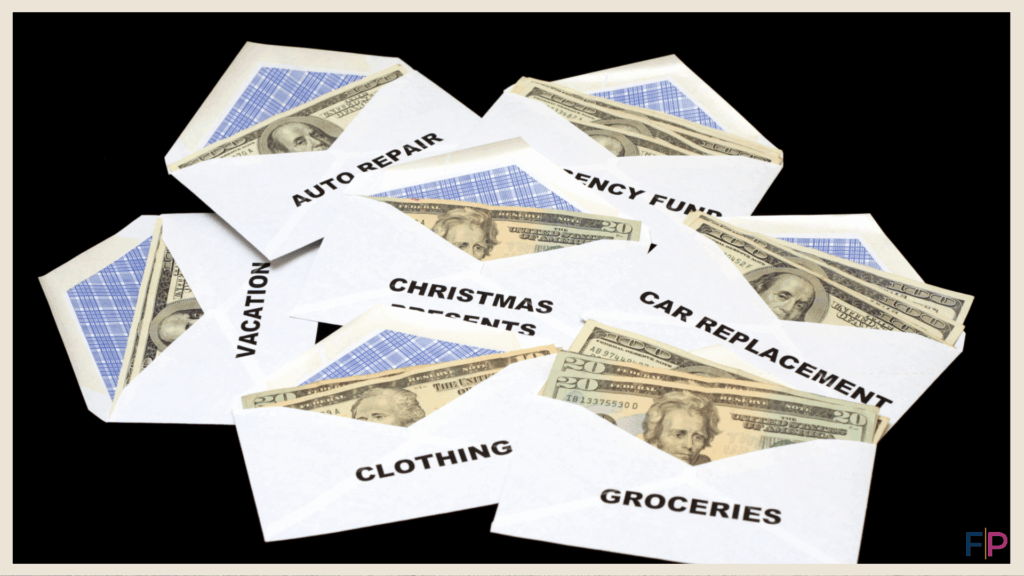
Long before budgeting apps existed, households managed money with systems that were simple, visual, and hard to cheat.
Cash budgeting, often called the envelope system, is still one of the most effective ways to stay on track. When the cash in the envelope is gone, spending stops, which takes the guesswork out of “have I overspent this month” entirely.
Living within your means also meant asking a few honest questions before buying anything: Is this necessary? Will it last? Could I repurpose something I already own instead? That same filter works just as well on a Target run today as it did in a Depression-era kitchen.
Free entertainment used to be the norm rather than the exception. Library cards, community events, and simple outdoor time offered plenty of fun without spending a dime, and all of those options are still sitting there waiting for you.
Relationship and Lifestyle Habits That Slow Life Down
Not every old-fashioned habit is about saving money directly. Some of them save your sanity instead, which is arguably just as valuable.
Sitting down for a family dinner together remains one of the most powerful habits for connection and routine. It doesn’t need to be fancy. It just needs to happen regularly.
Getting dressed for the day, even when you’re not leaving the house, is a small habit that helps you feel organized and motivated instead of stuck in a lounge-wear fog. And stepping away from screens for real breaks, sitting outside without headphones, or just sitting in quiet for a few minutes supports your mental health in a way that scrolling never will.
Community habits matter too. Swapping services with a neighbor, sharing tools instead of buying duplicates, and having a favorite local spot to visit all reduce costs while also reducing loneliness, something past generations understood instinctively.
Final Thoughts on Old Fashioned Habits
You don’t need to overhaul your entire life to feel the benefits of these habits. Pick two or three that fit your household right now, whether that’s a weekly chore rhythm, a stocked pantry, or a real day of rest, and build from there.
Old-fashioned homemaking wasn’t about doing more. It was about doing less, but doing it on purpose. That’s a lesson worth borrowing no matter what decade you’re living in.