
10 Everyday Items That Secretly Drain Your Bank Account
You’re being careful with money. You’re not splurging on vacations or buying designer handbags. So why does your bank account keep looking thinner than it should?
The answer is usually hiding in plain sight. There are dozens of small, ordinary, totally forgettable purchases that quietly pull money out of your account every single week. None of them feel like a big deal in the moment. But when you add them up across a month or a year, the total can be genuinely shocking.
The good news? Once you know what to look for, plugging these leaks doesn’t require major sacrifice. Most of the fixes are simple habit swaps, not deprivation.
Here are ten everyday items and spending patterns that are likely costing you more than you think, plus practical ways to stop the drain.
The Sneaky Spending Habits You’ve Stopped Noticing
1. Subscription Services You’ve Forgotten About
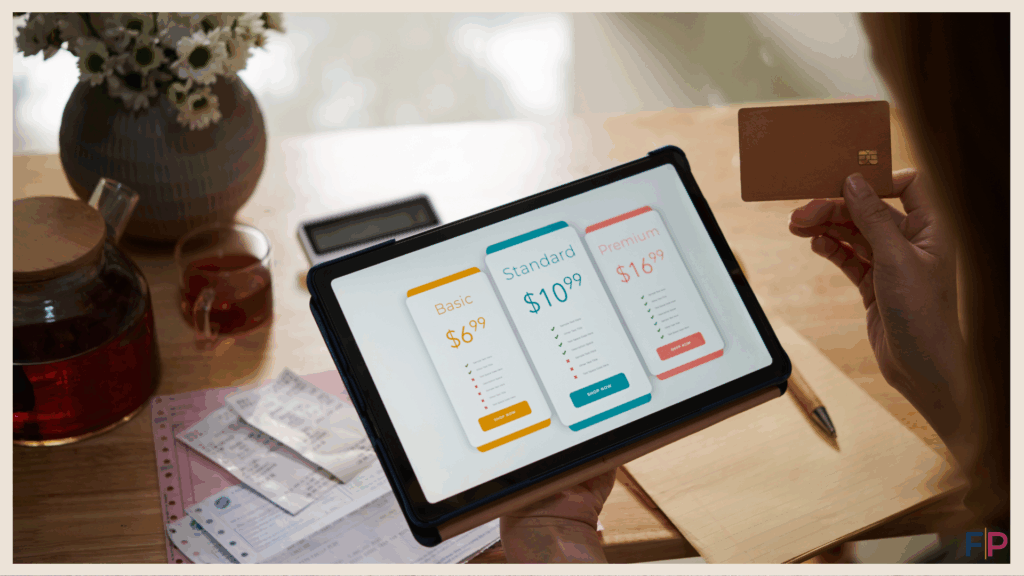
Streaming platforms, fitness apps, cloud storage upgrades, news paywalls, “premium” versions of free tools. These things add up fast, and they are designed to be easy to forget. You signed up, got busy, and now they quietly charge you every month like clockwork.
This is sometimes called subscription creep, and it is one of the most common ways people overspend without feeling like they are spending at all. The charges are small, they are automatic, and they show up buried in your bank statement under names you barely recognize.
A good starting point is what some people call a subscription audit. Go back through three months of bank and credit card statements and highlight every single recurring charge. You will almost certainly find at least one or two things you forgot you were paying for. Cancel anything you have not actively used in the last 30 days, and set a calendar reminder before any annual renewals hit.
Here’s a satisfying bonus move: every time you cancel a subscription, immediately transfer that monthly amount into savings. You were already spending it, so you will not miss it.
2. Takeout, Delivery, and Drive-Thru Runs
The issue is never the one pizza. It is the Tuesday night delivery order because you are tired, the Friday drive-thru because you skipped meal planning, and the Sunday takeout because there is nothing obvious to cook. Each one feels totally reasonable on its own.
Food spending is one of the biggest budget leaks for most households, and it gets especially easy to overspend when you are relying on convenience instead of planning. Restaurant meals and delivery orders typically cost three to five times more than cooking the same food at home, and that gap multiplies fast across a month.
The most effective fix is keeping what some call “emergency meals” stocked in your pantry and freezer. These are the quick, no-effort options you reach for on your worst days: pasta with jarred sauce, canned soup and a grilled cheese, frozen burritos. When those meals are available, the case for ordering delivery gets a lot weaker.
3. Daily Coffee Runs and “Little Treat” Spending

A $5 latte feels like nothing. But $5 a day, five days a week, is around $100 a month and over $1,200 a year. That is just the coffee. Add in afternoon snacks, vending machine drinks, and the occasional “I deserve this” splurge at the checkout line, and the number climbs quickly.
Small, comfort-driven purchases are hard to track because each one is emotionally justified and financially tiny. That combination makes them almost invisible until you do the math.
Try this exercise: take your average “little treat” spend for a single day and multiply it by 30, then by 12. Seeing the annual number in black and white tends to be pretty motivating. From there, you can decide which treats are genuinely worth keeping and which ones are just habits you never questioned.
4. Tap-and-Go and Digital Wallet Spending
Contactless payments and digital wallets are incredibly convenient, and that convenience comes with a real downside. When paying doesn’t feel like paying, it is easy to spend more than you planned. You tap, you walk away, and you have no real sense of how much you have spent that day.
This frictionless spending works especially well for small purchases that feel too minor to think about. A coffee here, a magazine there, a quick app purchase. None of them feel significant, but the total at the end of the month often surprises people.
Using cash for discretionary categories is one of the most effective ways to add a little friction back into your spending. When the cash envelope is empty, you are done for the month. Some people prefer setting a daily limit on their card app instead. Either way, the goal is to make spending visible again.
5. Brand Loyalty at the Grocery Store
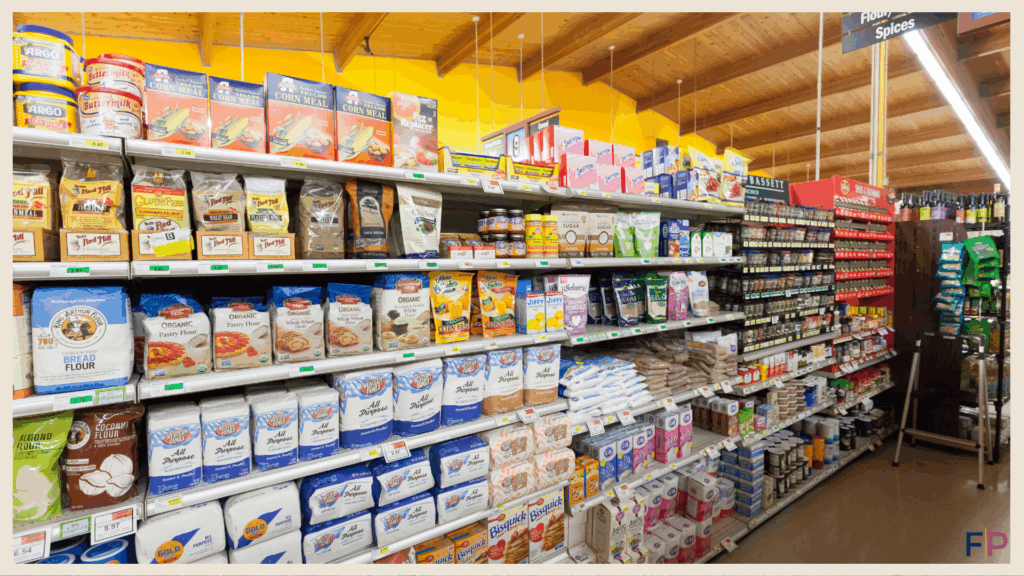
There is nothing wrong with having a favorite brand. But if you are automatically reaching for the same label out of habit rather than actual preference, you could be paying a premium for something you would not notice in a blind taste test.
Generic and store-brand versions of pantry staples, cleaning products, over-the-counter medicine, and most baking basics are typically the same product in different packaging. The price difference can be 20 to 40 percent, and that adds up significantly across a full grocery haul.
One low-stakes approach is to downshift one brand level at a time. Try the store brand version of one item per shopping trip. If you genuinely prefer the name brand after testing it, buy it on purpose. If you can’t tell the difference, you have just permanently lowered that line in your budget without giving anything up.
6. Bank Fees, Overdraft Charges, and Credit Card Interest
These ones sting twice: once when the charge happens, and again when you realize it was completely preventable. Overdraft fees, monthly account maintenance fees, out-of-network ATM fees, and minimum payment interest can quietly pull $50 to $200 or more out of your account every month, depending on your situation.
Because they show up after the fact, fees tend to feel like “just part of having a bank account” rather than something you can change. But most of them are avoidable with a little setup.
Start by switching to a fee-free checking account if you’re paying monthly maintenance fees. Turn on low-balance alerts so you are never caught off guard. And if you’re carrying high-interest credit card debt, prioritizing that payoff is one of the best financial moves you can make. Interest charges are essentially a recurring fee for money you already spent.
7. Energy Vampires and Utility Waste

Your monthly utility bill might be one of the easiest places to cut spending without changing your lifestyle much at all. Appliances on standby mode, half-full laundry loads, long showers, and lights left on in empty rooms are all quietly adding dollars to your bill every month.
The fix here is almost always habits and small one-time changes rather than major investments. Switching to LED bulbs, turning appliances fully off at the wall, running full loads in your washer and dishwasher, and shortening your shower by even a few minutes can make a real difference over time.
Here’s a useful frame for this one: you don’t need to buy more products or reorganize anything to lower your utility bills. You just need to change a few habits. That makes it one of the simplest wins available.
8. Impulse Buys and Emotional Shopping
This one tends to show up in a few different ways. Sometimes it is a scroll through your phone that ends with something in your cart. Sometimes it is a “limited time” sale that feels urgent. Sometimes it is just boredom or stress looking for an outlet. Whatever the trigger, unplanned purchases are a consistent budget leak for most people.
The frustrating part is that impulse buys often come with a short burst of satisfaction followed by low-grade regret. The item didn’t fix the mood it was supposed to fix, and now you’ve spent money you didn’t plan to spend.
Two of the most practical tools here are the 24-hour rule and the 30-day rule. For smaller items, wait a full day before buying. For bigger purchases, add them to a list and revisit in a month. Most of the time the urge passes and you realize you didn’t actually want it that much.
9. Convenience Fees and Add-On Charges
Delivery fees, service fees on event tickets, rideshares for short trips, pre-cut produce, gift-wrapping options at checkout. Each one is positioned as a small upgrade for a few extra dollars. And individually, each one is easy to justify.
The problem is that a busy life produces a lot of these moments, and across a month the total can be surprisingly high. You are essentially paying extra to do less planning or less effort in the moment.
A bit of planning almost always pays better per hour than a side hustle when it comes to these charges. Ordering ahead to hit a free delivery threshold, walking or taking transit for shorter trips, and doing your own simple prep work can quietly save $50 to $100 a month without much effort.
10. “Self-Care” Spending and Lifestyle Creep
Real self-care matters. Rest, health, and mental wellbeing are not luxuries. But there is a version of “self-care” that is really just retail therapy with a wellness label on it, and that version can get expensive fast.
Lifestyle creep is the quieter version of this same problem. As income rises, so do baseline expectations: a nicer phone upgrade, a fancier grocery store, more frequent restaurant meals. None of these feel like splurges because they have become normal. That is exactly what makes them hard to spot.
The most effective reset is checking in periodically on which spending has drifted from “occasional treat” to “automatic expectation.” Ask yourself honestly: is this something I chose intentionally, or is it just something I got used to? Financial calm, the kind that comes from knowing your numbers and having a cushion, is the most underrated form of self-care there is.
Final Thoughts on Budget Leaks
None of these ten things are dramatic. That is exactly the point. Budget leaks do not usually look like big mistakes. They look like small, forgettable habits repeated enough times to add up to hundreds or thousands of dollars over a year.
The encouraging part is that you do not need to fix all ten at once. Pick one or two that you recognized yourself in right away. Make the habit switch. Then come back and tackle the next one. Progress made consistently beats perfection every time.
If you are not sure where your money is actually going each month, that is the first place to start. Tracking your spending even loosely for 30 days tends to reveal patterns you didn’t know were there.