

How I Cut My Monthly Bills Without Feeling Deprived
There’s a moment a lot of people have had: you’re looking at your bank account on a Sunday night, wondering how it’s possible to earn a decent income and still feel financially stuck. The bills are paid, but just barely, and there’s almost nothing left to show for all those hours worked.
What changed things wasn’t a drastic lifestyle overhaul. It was a series of quiet, practical tweaks, ones that happened mostly in the background, and that made daily life feel lighter and sometimes even more enjoyable than before.
The idea that cutting expenses is a golden rule of building financial security is nothing new. But it only works long-term if it doesn’t feel like punishment. This post walks through the real, behind-the-scenes changes that can lower your monthly spending without stripping the comfort and joy from your everyday life.
Step 1: Get Honest With the Numbers (Without the Shame)

The first move is usually the most unglamorous one: you sit down with one to three months of bank and credit card statements and you actually look at them. Not to judge yourself, but to understand what’s really going on.
Pull up or print your statements and sort everything into broad buckets: housing, utilities, groceries, eating out, subscriptions, transportation, and everything else. Then compare what you thought you were spending in each category to what the numbers actually say.
Find the Leaks First
For most people, the surprise categories are eating out and “quick stops.” A coffee here, a fast food run there, a convenience store visit that happens twice a week. None of those transactions feel significant in the moment, but they add up fast.
The most painless cuts come from transactions you circle and think, “I don’t even remember this” or “That didn’t make my life any better.” Those are the ones to cut first, because you genuinely won’t miss them. A simple budget or a cash-envelope system works well for getting a clear picture of where the money is actually going, no complicated app required.
Step 2: Protect Your Joy Spending on Purpose
Before you touch a single expense, decide what you’re keeping. This step matters more than most budgeting advice acknowledges.
Pick one or two “non-negotiable joys” and give them a real line item in your budget. Maybe it’s a weekly coffee shop visit, a streaming service you actually watch, or a monthly hobby expense that brings you genuine happiness. Give that spending a number on purpose.
Build the Budget Around What You Love
Setting a modest joy budget first, whether that’s a percentage of your income or a simple flat dollar amount, and then building the rest of your spending plan around it, is what makes the whole system sustainable. When joy has a protected place in the budget, it doesn’t need to be sneaked in through impulse buys.
A separate way to track this spending, whether that’s a cash envelope, a dedicated debit card, or a note in your planner, helps you enjoy it guilt-free. You know exactly how much you have, and when it’s gone, it’s gone. That clarity actually feels freeing.
Step 3: Run a Subscription and Bill Audit

This is the section where the real quiet wins live, the changes that lower your monthly outflow without touching your day-to-day life in any meaningful way.
Open your phone and list every subscription you’re currently paying for: streaming, apps, cloud storage, gym memberships, beauty boxes, digital magazines, and any “free trial” that quietly converted to paid. Cancel anything you haven’t used in the past month or don’t truly enjoy.
The Phone Call Worth Making
Calling your internet, cell phone, and insurance providers to ask two simple questions can save a surprising amount of money. Ask: “Is there a cheaper plan that still fits how we use this?” and “Do you have any promotions for loyal customers right now?” A 30-minute phone call with a service provider can save $40 or more per month, with no change in service at all.
It’s also worth looking at your checking account. If it’s charging a monthly fee, a credit union or no-fee bank account puts that money back in your pocket for nothing. Set a yearly reminder to repeat this audit so subscription creep doesn’t quietly rebuild over time.
Step 4: Rethink the Food Budget Around Comfort
Food is usually one of the biggest levers you can pull, and it’s one that doesn’t have to feel restrictive when you approach it thoughtfully.
Start by looking at three to six months of combined grocery and dining-out spending to get a real average, not an optimistic guess. Separating those two categories is eye-opening. It shows clearly how often stress and convenience, not hunger or enjoyment, are driving what you spend.
Cook More, But Make It Easy
Meal planning around what you already have in your pantry and freezer before you shop is one of the simplest changes you can make. Running a “use it up” week every month or so, where you build meals from what’s already on hand before buying anything new, cuts waste and grocery costs at the same time.
When you do cook at home, lean into easy, comfort-style meals. Sheet-pan dinners, slow-cooker soups, and breakfast-for-dinner aren’t settling. They’re genuinely satisfying, fast to put together, and far cheaper than takeout. Making a grocery list from your meal plan and sticking to it cuts impulse buys without requiring willpower.
The goal isn’t to ban restaurants. It’s to make them intentional. One planned takeout night a week or a meal out for a special occasion starts to feel like a treat again, instead of a default you reach for when you’re tired.
Step 5: Make Small Energy Tweaks That Nobody Notices
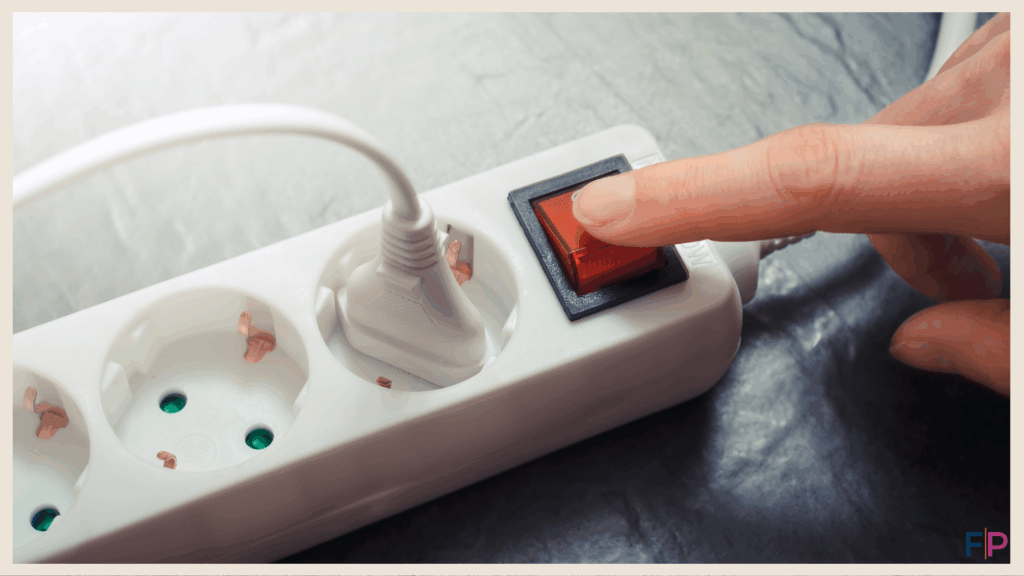
Utility bills are a quiet drain that responds well to small habit changes. Switching to LED bulbs, turning off lights when you leave a room, and unplugging chargers and small appliances when they’re not in use all chip away at phantom power costs over time.
Adjusting the thermostat by a couple of degrees, down in winter and up in summer, paired with layers or a fan, tends to make a dent in heating and cooling bills without feeling uncomfortable. Running the dishwasher and laundry only on full loads, and using cold water settings when possible, are changes most people forget they’re even making after a few weeks.
It’s worth calling your utility company to ask about budget billing, energy efficiency programs, and rebates on items like smart thermostats or added insulation. Many providers offer these and simply don’t advertise them widely.
Step 6: Look at the Bigger Picture
Sometimes the most meaningful savings come from revisiting expenses that feel fixed but actually have wiggle room.
Shopping around for better rates on car, homeowners, or renters insurance is something most people do once and then forget about for years. Rates change, your situation changes, and loyalty doesn’t always get rewarded. An annual insurance review takes an hour or two and can save hundreds of dollars a year.
Downgrades That Feel Like Upgrades
Pausing or downsizing big-ticket extras like premium gym memberships, club subscriptions, or cable packages often ends up feeling like relief rather than sacrifice. Free home workouts, walking as a daily habit, and one well-chosen streaming service tend to cover the actual need without the overhead.
Selling items around the house that are rarely used, extra furniture, gadgets, or hobby gear you’ve moved past, puts a lump sum toward an emergency fund or debt payoff. Less clutter, less pressure to maintain or store things, and more breathing room in the budget tends to feel like a genuine upgrade.
Step 7: Simplify the Whole Money System

One underrated source of financial stress is the mental load of managing it all. Simplifying the system reduces that burden and makes it easier to stay consistent over time.
Setting up automatic payments for fixed bills removes the risk of late fees and the mental overhead of remembering due dates. Automating even a small transfer to savings each pay period, even if it starts at just $25, builds the habit before you’ve worked up to larger amounts.
Build Sinking Funds for the Predictable Surprises
Rather than a detailed budget with dozens of categories, a handful of clear buckets, housing, utilities, food, transportation, debt, savings, and fun, is enough for most people. Keeping it simple means you’ll actually stick with it.
Sinking funds are small, dedicated savings buckets for irregular but predictable expenses: car maintenance, holiday gifts, back-to-school supplies, annual subscriptions. When you save a little each month for those expenses, they stop feeling like emergencies and start feeling like planned events.
- Set up a sinking fund for car repairs, even $20 to $30 a month makes a difference
- Save monthly toward holiday spending so December doesn’t derail your budget
- Include irregular annual bills like insurance renewals or subscription renewals in your planning
Step 8: The Mindset Shifts That Make It Stick
The financial changes matter, but the mindset piece is what keeps them working over time.
Stopping the habit of treating every purchase as a moral issue and replacing it with a single question, “Does this match the life I’m trying to build?” takes the shame out of spending and replaces it with intention. That shift alone changes the whole tone of budgeting from restriction to direction.
Small Habits With a Long Reach
A simple cooling-off period for non-essential purchases, waiting 24 to 48 hours before buying something that wasn’t planned, cuts impulse spending without banning anything outright. A lot of those impulse purchases simply lose their appeal by the next day.
Reframing what “frugal” means also helps. It’s not about constant self-denial. It’s about building a life that feels calm, intentional, and within your means. Some people make the process more engaging by treating it like a game: no-spend weekends, pantry challenges, or tracking how much they’ve trimmed from a specific bill over three months.
The best result from all of this isn’t just a lower monthly number. It’s worrying less, feeling more in control, and having a clearer sense of where your money is actually going and why.
Start With One Change
You don’t need to overhaul everything at once. Pick one section from this post that resonates most and start there. Run the subscription audit this week, or sit down with last month’s statements and see what surprises show up.
Small changes compound. A $40 monthly savings here and a cut subscription there add up to real money over the course of a year. And when those changes are made thoughtfully, with your comfort and joy still in the budget, they tend to stick.