
Things You Should Always Buy Secondhand (and What to Skip)
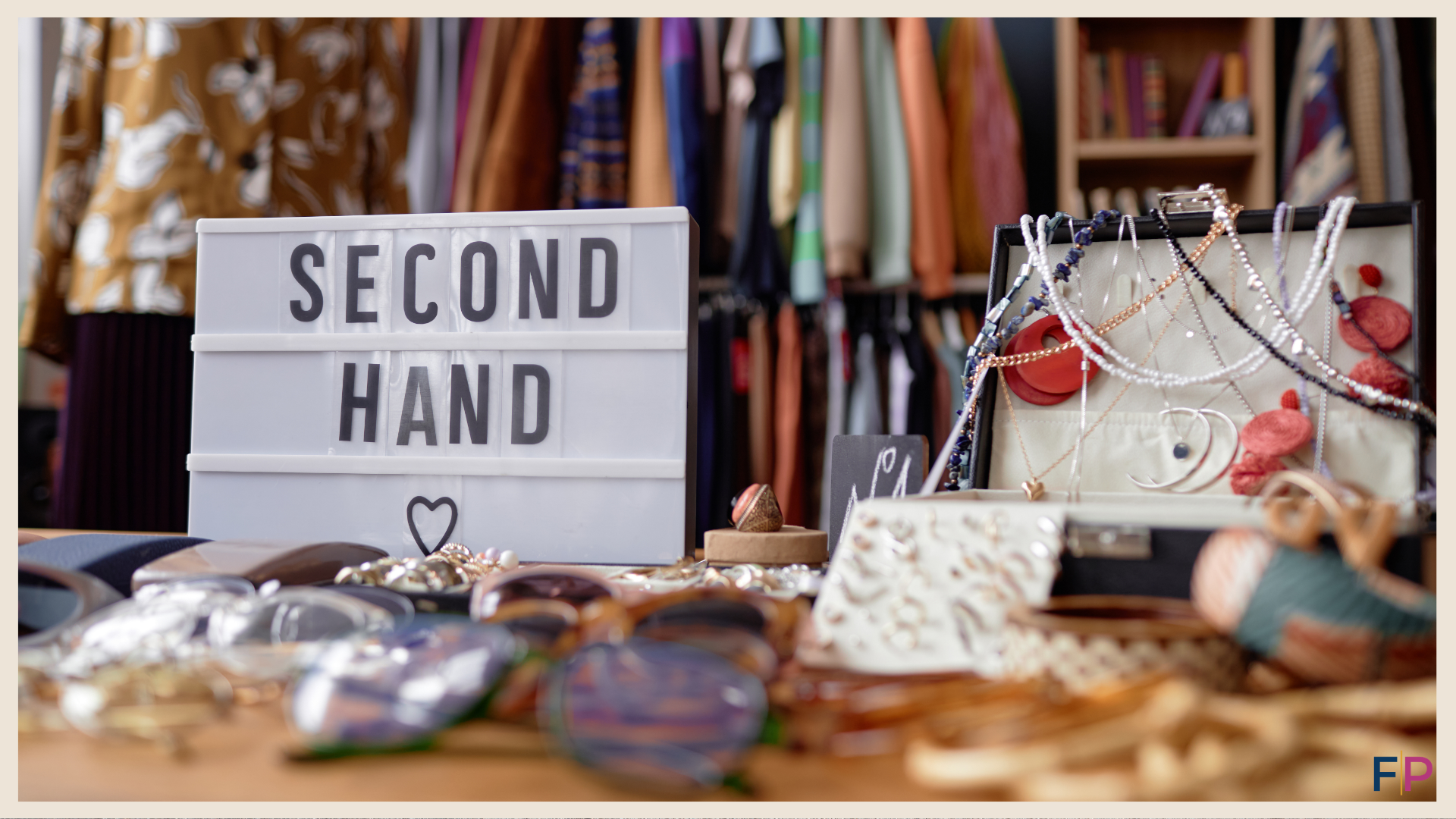
Thrifting has come a long way from digging through musty bins hoping to find something tolerable. Today, savvy shoppers are scoring high-quality furniture, barely-worn clothing, and premium cookware for a fraction of what they’d pay new. But knowing what to buy secondhand is just as important as knowing where to shop.
Not everything is worth saving a few dollars on. Some items are a genuine find at the thrift store; others are a hidden risk that could cost you far more down the road. This guide breaks it all down so you can shop smarter, stretch your budget further, and skip the secondhand mistakes that can quietly blow up your savings.
The Golden Rule for Secondhand Shopping
Before getting into specific categories, it helps to have a mental framework you can apply on the fly. The basic rule is this: buy used when an item is easy to inspect, easy to clean, and not safety-critical. Be cautious (or buy new) when something affects safety, hygiene, or has hidden wear you can’t see.
You can think of it this way: spend on safety, be selective about comfort, and thrift just about everything else.
What You Should Almost Always Buy Secondhand
Furniture
Solid wood furniture is one of the best secondhand deals out there. Dressers, dining tables, desks, shelving units, and side tables built from real wood can last decades, and older pieces are often sturdier than anything you’d find in a flat-pack box today.
Thrift stores, Facebook Marketplace, and local buy/sell groups regularly carry high-quality pieces for a fraction of new retail. A few scratches or a dated finish are easily fixed with sanding and a coat of paint, and you end up with something that would have cost several hundred dollars new.
Clothing
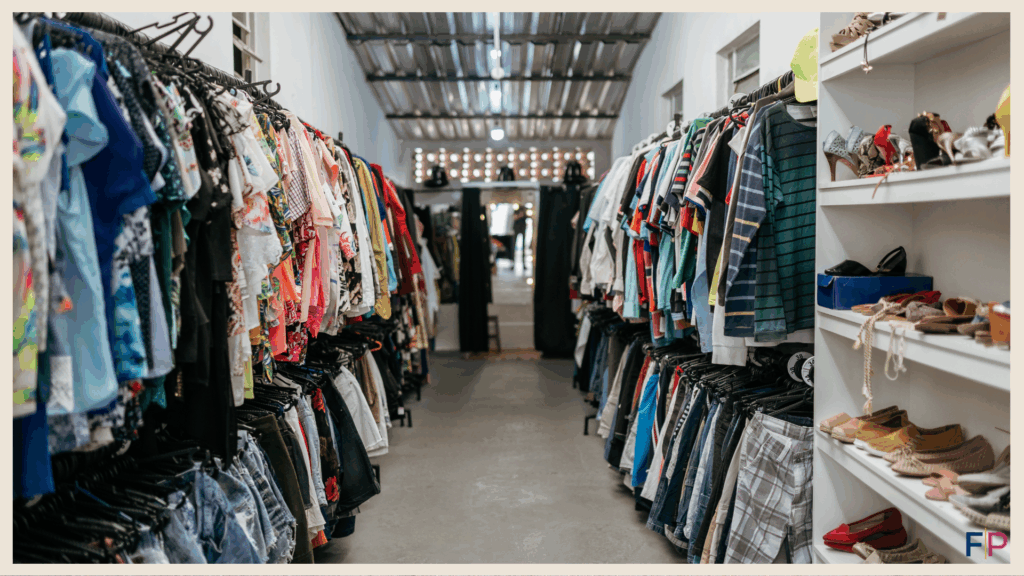
Clothing is one of the most obvious thrift wins, but it’s worth knowing which categories really shine. Everyday tops and bottoms, kids’ clothes, coats, denim, maternity wear, and special-occasion outfits (blazers, dresses for one-off events) are all ideal secondhand picks. Many of these items still have tags on them or look nearly new at a tiny fraction of retail.
Shopping in better-off neighborhoods or consignment boutiques is a great strategy for scoring higher-end brands like Land’s End or L.L.Bean. The fabrics and construction hold up in ways that cheaper fast-fashion items simply don’t.
Kids’ Gear and Toys
Kids outgrow things at a rate that makes buying new feel almost irrational. Clothing, basic toys, books, strollers, bouncers, and nursery decor are all excellent secondhand buys since children often barely use them before moving on to the next stage.
Yard sales, consignment shops, and Facebook Marketplace are especially good for bundles of kids’ clothes at very low per-item prices. The general rule of thumb: buy used for anything they’ll outgrow in a year, with one big safety exception covered below.
Books, Media, and Entertainment
Used books, DVDs, board games, puzzles, and video games work just as well as new ones, and thrift stores routinely price them at one or two dollars each. These are some of the easiest secondhand purchases to make since you can see exactly what you’re getting.
Building a home library, stocking up on family board games, or putting together summer reading piles for the kids becomes surprisingly affordable when you source secondhand. It’s also a great way to try something before committing to a new purchase.
Kitchenware
Many households donate extra plates, bowls, glassware, serving dishes, and quality bakeware in excellent condition. You can often find sturdy stainless steel pots, cast iron pans, glass bakeware, and cooking tools for cents on the dollar.
The key is to inspect carefully before buying. Look for cracks, chips, warping, or heavy damage. Buy what you’d be comfortable serving a meal on, and skip anything that looks like it’s seen better days.
Home Decor
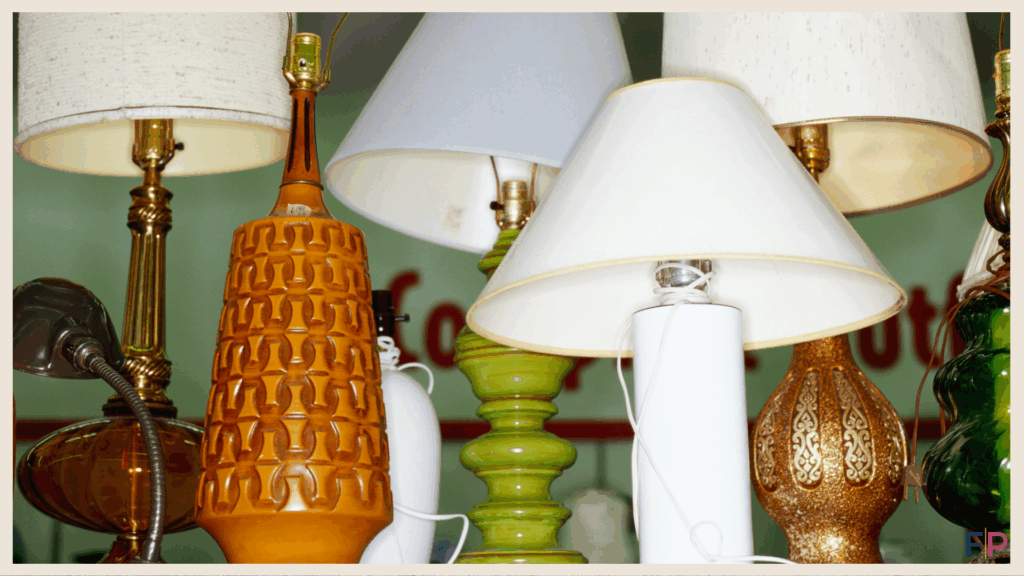
Picture frames, vases, lamps, baskets, mirrors, artwork, and throw pillows (with washable covers) are classic thrift scores. These items are easy to clean, repaint, or re-style, so you can focus on whether the shape and size are right rather than worrying about the current finish.
Upgrading your decor on a budget doesn’t require buying new. A little creativity and a can of spray paint can make a thrift store find look like something straight from a home design magazine.
Sports and Fitness Equipment
Dumbbells, kettlebells, bikes, golf clubs, and kids’ sports gear are excellent secondhand buys, and large equipment like treadmills and ellipticals can be found at steep discounts too. Many people abandon fitness equipment fairly quickly, which means it’s often lightly used when it hits the resale market.
Local buy/sell groups and thrift stores are common sources, and you can often find equipment in great shape for a fraction of original retail. Just inspect moving parts, check for any damage, and clean thoroughly before use.
Tools and DIY Equipment
Hand tools, power tools, and yard tools hold up well over time, and used options are frequently available when people move or downsize. For pricey specialty tools you’ll only use once or twice, buying secondhand (or borrowing) can save you big compared to buying new.
Check that everything is in working order before purchasing, and pay attention to cord condition on power tools. A well-maintained used drill is just as useful as a brand new one.
Office Furniture
Desks, office chairs, filing cabinets, and storage units are common secondhand bargains, especially when offices upgrade their furnishings. These items are easy to sanitize and tend to last a long time, making them ideal for home offices and student spaces.
Secondhand Buys Worth Considering (With a Few Caveats)
Electronics
Phones, laptops, and tablets can be smart secondhand purchases if you buy certified refurbished from reputable retailers like Best Buy, Walmart, or Apple. These devices have been tested, repaired as needed, and typically come with some form of warranty.
Random electronics from yard sales or anonymous online sellers are a different story. You can’t easily verify battery health, whether the device is locked, or how it was treated. If you’re going the secondhand route with electronics, certified refurbished is the way to go.
Small Appliances
Mixers, blenders, coffee makers, and slow cookers can sometimes be solid secondhand finds if you can test them in person before buying. The ability to plug it in and confirm it actually works is non-negotiable here.
Avoid anything with frayed cords, cracks, heavy staining, or missing parts. Signs of overheating or damaged nonstick interiors are automatic pass signals. When in doubt, skip it and look for a lightly used or certified refurbished option instead.
Cars
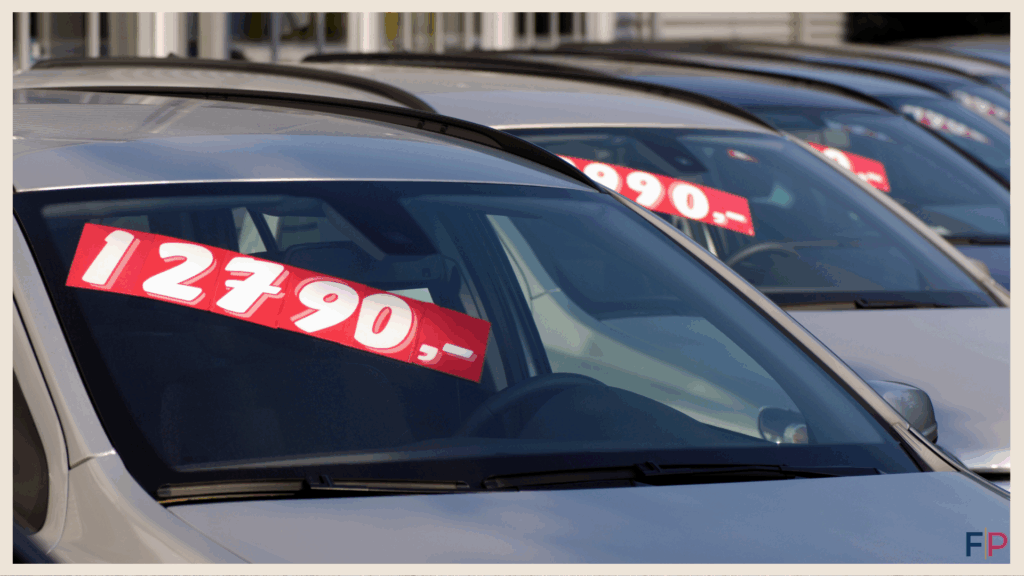
A slightly used car is almost always a better financial decision than buying new. The original owner absorbs the significant depreciation hit, and you get a relatively recent, reliable vehicle at a lower price.
That said, do your homework. Pull a vehicle history report, get an independent inspection before committing, and research the specific make and model for known issues. Used cars beat new for value per dollar the vast majority of the time.
Baby Gear (Non-Safety Items)
High-end strollers, baby carriers, swings, and high chairs are worth buying secondhand as long as you verify they aren’t recalled, and that all straps and buckles are present and working properly. These items can be pricey new, and many are used for only a short window of time.
Always clean and sanitize thoroughly before use, and skip anything with missing parts, questionable stability, or a recall history. A quick search on the CPSC website can confirm whether an item has been recalled.
What to Skip Secondhand (or Be Very Cautious About)
Car Seats
This is the one area where saving money is not worth the risk. Safety experts strongly advise against buying used car seats because you simply cannot know the full history of the seat. Accidents, drops, and improper storage can all compromise structural integrity even when there’s no visible damage.
Plastic also degrades over time, and most car seats have an expiration date printed on them for this reason. Buy new, use a store coupon or wait for a sale, but do not thrift a car seat.
Helmets and Protective Gear
Bike helmets, motorcycle helmets, and similar protective equipment should almost always be purchased new. An impact that isn’t visible on the outside can still compromise the helmet’s ability to protect you.
Since you can’t assess internal damage, a thrifted helmet is a gamble with safety. The savings are not worth it.
Mattresses
Used mattresses are associated with bedbugs, dust mites, mold, and allergens, and they are notoriously difficult to inspect properly or clean deeply. Even a mattress that looks fine on the outside can harbor problems you won’t discover until you’re sleeping on it.
This is one category where buying new (or purchasing a mattress brand that offers solid value at a lower price point) is genuinely the smarter move.
Upholstered Furniture With Red Flags
A thrifted couch or armchair can be a fantastic find, but upholstered furniture with a strong smell of smoke, musk, or pets is worth passing on even if the price is low. Odors and pests are expensive and difficult to eliminate, and you may end up spending more trying to salvage the piece than you saved.
Trust your nose when thrifting upholstered items. If something smells off, walk away.
Damaged or Chipped Cookware
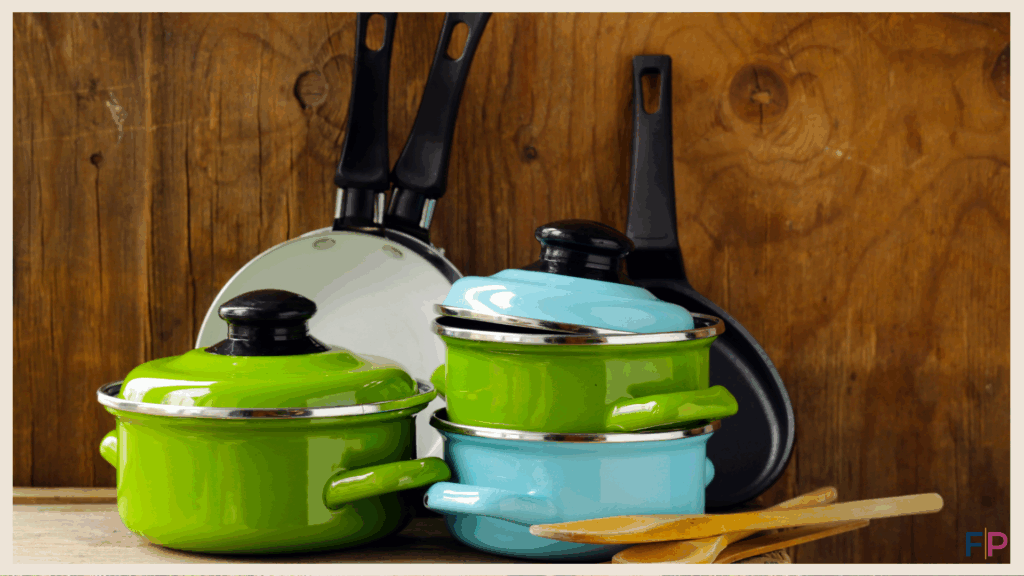
Chipped nonstick pans and rusted baking sheets can be unsafe to cook with. Nonstick coatings and rust can leach into food when the surface is compromised. Vintage cookware with unknown glazes or old nonstick surfaces is better as decor than as dinnerware.
When buying used cookware, stick to cast iron (which can usually be re-seasoned), stainless steel, and glass bakeware in solid condition. Skip anything with chips, heavy scratches, or questionable surfaces.
Pet Beds and Heavily Used Pet Items
Thrifted pet beds can harbor fleas, odors, and allergens that are difficult to sanitize thoroughly. Chewed or heavily worn pet toys present similar hygiene and safety concerns. These are low-cost items new, so this is a category where buying new is the better call.
Personal-Care Items
Electric toothbrushes, hair removal devices, and beauty tools that touch the skin are best purchased new for hygiene reasons. Anything that contacts eyes, mouth, or broken skin should be treated as single-owner by default, regardless of how good the secondhand deal looks.
How to Shop Secondhand Like a Pro
A Quick Inspection Checklist
Before buying anything secondhand, slow down and run through a few quick checks:
- Condition: Look for stains, tears, holes, missing parts, rust, and chips. Test zippers, hardware, and electronics.
- Smell: Heavy smoke or musty odors can be nearly impossible to remove and may signal mold or contamination.
- Function: Try on clothing, measure furniture before loading it in your car, plug in appliances, and make sure items feel sturdy and safe.
Smart Strategies for Better Finds
Shopping midweek often means fresher stock and fewer crowds than weekend rush hours. Keeping a running “thrift list” on your phone helps you stay focused and prevents impulse purchases from blowing your budget.
Setting a cash limit before you walk in adds another layer of accountability. If something isn’t on your list or you don’t genuinely need it, put it back. The best secondhand buy is still the one you actually use.
The Bottom Line
Knowing what to thrift and what to buy new is a skill that genuinely pays off over time. The more intentional you are about secondhand shopping, the more you can funnel savings toward things that matter and skip the items that end up costing more than they’re worth.