
Frugal Habits That Make Retirement Feel Luxurious
There’s a version of retirement that looks like cruises and country clubs, and then there’s the version most of us are actually living. But here’s the thing: a quieter, simpler retirement can feel remarkably good when you build it around the right habits. Living intentionally doesn’t mean going without. It means choosing what actually brings comfort, calm, and a sense of abundance every single day.
Retirement confidence is slipping across the country right now. Inflation, health care costs, and uncertainty around Social Security have a lot of people feeling less settled than they expected to be at this stage of life. But frugality isn’t a consolation prize. For retirees who embrace it, it becomes the very thing that keeps life feeling generous, even when the budget is tight.
The habits below aren’t about cutting back for the sake of it. They’re about redirecting small savings toward the things that make daily life feel a little richer, calmer, and more like the retirement you actually wanted.
What “Luxury” Really Means in Retirement

Before we get into the habits, it’s worth reframing what luxury even looks like at this stage. When you’re working, luxury tends to mean things you rarely have time to enjoy: a nice dinner out, a weekend trip, a splurge purchase that felt worth it. In retirement, you have something better than money. You have time.
That changes everything. Luxury in retirement is a stocked pantry and a slow morning coffee with nowhere to be. It’s a home that feels comfortable and calm. It’s knowing the bills are handled and the fridge is full. The richest-feeling routines are often the simplest ones, and the frugal habits that support them are what make that possible.
A smart frugal habit in retirement is one that lowers stress just as much as it lowers expenses. That’s the bar we’re working toward here.
Cooking at Home Like It’s a Pleasure, Not a Chore
One of the most effective frugal habits also happens to be one of the most enjoyable in retirement: cooking at home. When you’re not rushing out the door by 8 a.m., a meal doesn’t have to be fast. It can be something to look forward to.
Meal planning takes on a different quality in retirement because you have the time to do it well. You can batch cook on Mondays, try a new recipe on Thursdays, and use up what’s in the fridge on Fridays without feeling like it’s a chore. That routine creates a kind of daily rhythm that a lot of retirees find genuinely satisfying.
The Real Cost of Eating Out
Eating out frequently is one of the easiest places for retirement spending to quietly spiral. A few lunches out, a couple of dinners with friends, a coffee stop here and there, and suddenly you’ve spent several hundred dollars on meals that didn’t feel particularly special. Cooking at home doesn’t mean giving up the social side of eating. It might mean hosting instead of going out, or suggesting a potluck instead of a restaurant.
The savings aren’t just financial. Cooking at home tends to mean eating better, wasting less food, and feeling more in control of what goes into your body. That matters more, not less, as you get older.
Using Your Senior Discounts Without Embarrassment

There is real money sitting on the table if you’re willing to ask for it. Senior discounts exist at grocery stores, pharmacies, movie theaters, restaurants, national parks, clothing retailers, and travel booking sites. Many start at age 55 or 60, not 65, which means you might already qualify for savings you haven’t been taking advantage of.
A few dollars here and there might not sound like much, but the habit of asking compounds quickly. Someone who consistently uses senior discounts on groceries, travel, and entertainment can save hundreds of dollars a year without changing what they buy or where they go.
Where to Start
If you haven’t made a habit of asking, start simple. Check whether your grocery store has a senior discount day. Ask at restaurants before you order. Look into the America the Beautiful pass if you visit national parks. Contact your car insurance company and ask whether you qualify for a lower rate. The National Council on Aging notes that many retirees leave meaningful savings unclaimed simply because they don’t know what’s available or feel awkward bringing it up.
The shift in mindset is worth it. Asking for a discount isn’t embarrassing. It’s what a financially confident person does.
Embracing the Library as a Lifestyle
The public library is one of the most underused retirement resources in America. It’s free, it’s local, and it offers far more than most people realize. Beyond books, most library systems now offer digital borrowing through apps like Libby, free access to streaming services, museum passes, audiobooks, online learning platforms, and even seeds for your garden.
For retirees who might otherwise be paying for multiple subscriptions, the library can replace or supplement a surprising number of them at no cost. A Kindle Unlimited subscription, a streaming service, an online course platform, a newspaper subscription: the library can often stand in for all of these.
Community Without the Price Tag
Libraries also offer something harder to quantify: connection. Many branches host book clubs, lectures, film screenings, language exchange groups, and wellness programs designed specifically for older adults. If you’re looking for ways to stay engaged, mentally active, and socially connected without spending money to do it, the library is one of the best tools available to you.
It’s easy to overlook because it’s free and familiar, but don’t let that fool you. The library is genuinely one of the most abundance-producing habits a retiree can build into a weekly routine.
Buying Less, But Buying Better
One of the quieter shifts that happens when you embrace frugal living in retirement is that you stop accumulating and start curating. Instead of buying the cheapest version of something and replacing it constantly, you invest in fewer, better things that actually hold up. Instead of shopping as a hobby, you shop with a purpose.
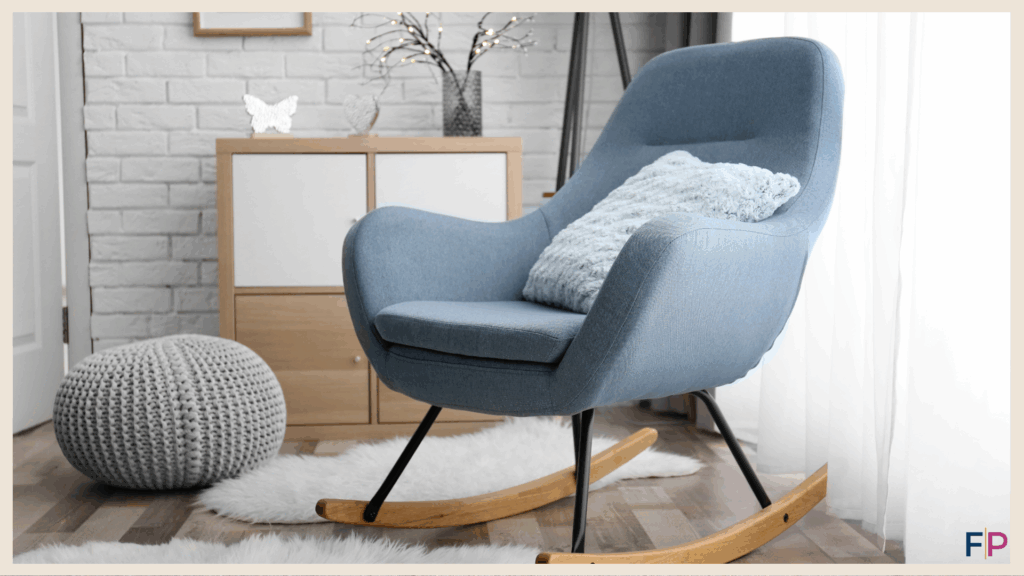
This doesn’t mean spending more overall. It usually means spending less, because you’re buying less frequently and getting more out of what you own. A good cast iron pan, a well-made pair of shoes, a comfortable chair you actually love sitting in: these things don’t need to be replaced every few years.
The Hidden Cost of “Cheap”
It’s worth remembering that the least expensive option isn’t always the most frugal one. A cheap appliance that breaks in two years costs more over time than a quality one that lasts ten. A poorly made piece of furniture that ends up in a donation pile costs more than the secondhand piece that was built to last. Part of frugal wisdom in retirement is knowing when to spend a little more upfront to avoid spending twice.
Buying less also creates a calmer home environment. Retirees who spend more time at home tend to notice clutter, noise, and disorganization more acutely. A home with fewer things in it is easier to keep comfortable, clean, and genuinely pleasant to live in.
Taking Care of Your Home Before It Needs It
One of the most stress-reducing frugal habits in retirement is staying ahead of home maintenance rather than reacting to it. Small issues become expensive problems when they’re ignored: a small roof leak, a slow drain, a drafty window. Catching them early and handling them before they escalate saves money and protects the comfort of the space you’re spending most of your time in.
This doesn’t mean doing everything yourself. It means paying attention, doing the small things you’re able to do, and being proactive about calling a professional for the things you’re not. A yearly maintenance checklist can help you stay organized and catch issues during seasons when repairs are cheaper and less urgent.
Your Home as Your Comfort Investment
In retirement, your home isn’t just an asset. It’s where you’re living your life. Keeping it clean, comfortable, and in good repair is one of the most direct ways frugal habits translate into a higher quality of daily life. A well-maintained home feels good to be in. It reduces the background stress that comes with a running list of things that need fixing.
Simple seasonal tasks like cleaning gutters, checking seals around windows and doors, and keeping up with HVAC filters might not feel glamorous, but they protect both your investment and your comfort in ways that really add up.
Building a Routine That Feels Generous

The deepest luxury in retirement isn’t a thing you buy. It’s time that feels well-spent. A frugal lifestyle, when it’s done well, creates exactly that: fewer financial worries, less reactive spending, and more mental bandwidth for the things that actually bring satisfaction.
Morning walks. Afternoon reading. A regular dinner with people you enjoy. A garden that takes a little work and gives a lot back. These aren’t expensive habits, but they’re the kind that make a retirement feel genuinely full.
The Peace of Mind That Comes With a Buffer
A lot of retirees describe the best part of getting their spending under control not as having more money, but as worrying less. Health care costs are one of the biggest financial stressors for retirees in 2026, and while frugal habits won’t eliminate that concern, they can create a cushion that makes it less overwhelming. When you’re not overspending on things that don’t matter much to you, you have more room to handle the things that do.
That buffer is its own kind of luxury. Knowing you can absorb an unexpected expense without it becoming a crisis is a feeling that no amount of restaurant meals or retail therapy can replicate.
Final Thoughts on Frugal Retirement
Frugal retirement isn’t about doing without. It’s about being honest with yourself about what actually makes your days feel good, and building a life around those things instead of defaulting to spending as a stand-in for satisfaction.
The habits that tend to make retirement feel most luxurious are the ones that reduce friction: a stocked pantry so you’re not scrambling at 5 p.m., a home that’s comfortable and calm, a routine that includes rest and connection and small pleasures that cost very little. When you stop spending on the things that don’t matter, you have more of everything for the things that do.
That’s a retirement worth looking forward to.