
How I Stay Productive (Without Feeling Busy) After Retiring
Retirement sounds like the ultimate freedom, and it is. But somewhere around week three, a lot of people hit an unexpected wall. The structure that used to fill every hour is gone, and suddenly the question “What should I do today?” feels a lot heavier than expected.
The good news is there’s a way to fill your days that feels meaningful and satisfying without turning retirement into a second job. It comes down to trading urgency for intention, and learning the difference between a life that’s full and one that’s simply frantic.
Why Busyness Is Not the Goal Anymore
For most of your working years, being busy was practically a badge of honor. A packed calendar meant you were contributing, productive, valuable. In retirement, that script flips. Nobody is measuring your output. Nobody is waiting on a deliverable. The only standard that matters now is whether your days feel good to live.
This is actually harder to adjust to than it sounds. The habits of busyness run deep, and many retirees fall into the trap of overscheduling themselves just to recreate the feeling of having purpose. But real purpose in retirement doesn’t come from filling every hour. It comes from choosing the right things to put in them.
The goal is a life that feels full, not frantic. And that takes a little intentional design.
Building a Rhythm Instead of a Schedule
One of the most helpful shifts you can make is moving from a rigid hour-by-hour schedule to something lighter: a daily rhythm. Think of it as giving your day a general shape without locking yourself into a plan that feels like work.
Try Theme Days to Cut Decision Fatigue
Theme days are a simple idea with a surprisingly big payoff. Instead of waking up every morning and figuring out what to tackle, you assign each day a loose focus area. Monday might be home and admin tasks. Tuesday could be errands and appointments. Wednesday is learning something new. Thursday is for social time or volunteering. Friday is your reset and rest day.
You’re not scheduling every minute of those days. You’re just giving each day a general direction so you don’t spend mental energy reinventing the wheel every morning. It keeps the week feeling intentional without the pressure of a packed agenda.
Theme days also make it easier to actually rest when you want to. When Friday is the designated reset day, you don’t have to talk yourself out of taking it easy. It’s already built into the plan.
Use Repeatable Anchors to Create Consistency
Alongside theme days, simple daily anchors help give your routine a gentle structure. An anchor is just a recurring activity that happens at roughly the same time each day, like a morning walk, a cup of coffee on the porch before anything else, or a set time you stop checking tasks for the day.
These small anchors signal to your brain that the day has a shape. They create a sense of rhythm without the stress of a rigid timeline. And unlike a job schedule, they flex with your energy, the weather, and whatever else life brings.
The Power of a Short Goals List
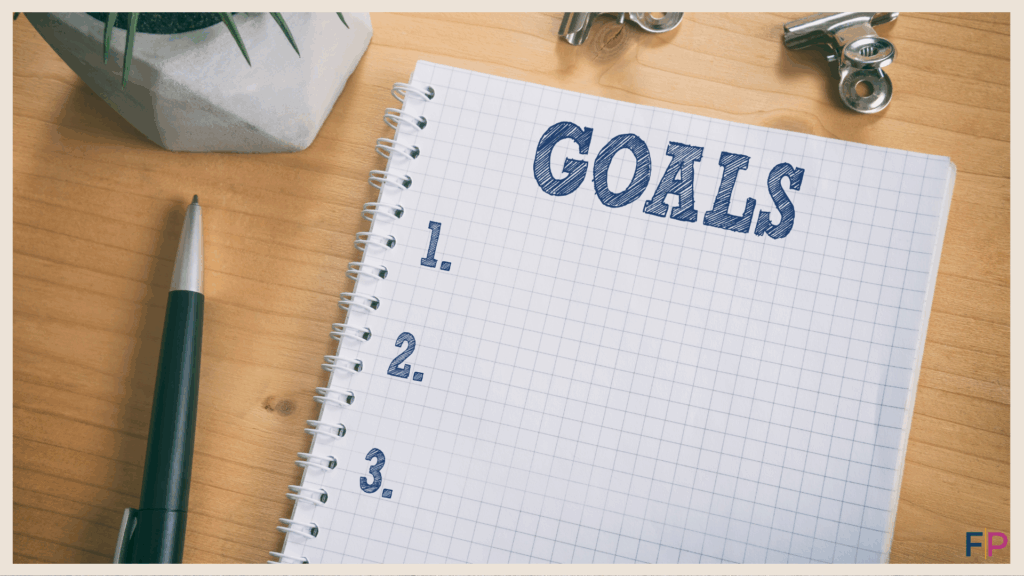
One of the most freeing things you can do in retirement is shrink your goals list on purpose. You no longer need five-year career plans or quarterly performance targets. What you need is a handful of simple, meaningful things that give you a sense of forward motion.
Pick One to Three Goals at a Time
The sweet spot is one to three goals at any given time. Not a master list of everything you’ve ever wanted to do, just a short, honest list of what matters right now. Maybe it’s decluttering one room in the house. Walking three times a week. Finishing a book you’ve been meaning to read for years. Calling family on a regular schedule. Learning a new hobby.
Small goals done consistently create a genuine sense of progress. There’s something satisfying about crossing a simple thing off a list, and that satisfaction compounds. Over time, those small wins add up to a retirement that feels purposeful rather than aimless.
Let Your Goals Evolve
The other thing to remember about retirement goals is that they’re allowed to change. Your priorities at 62 might look very different from your priorities at 70. Life circumstances shift. Health changes. Interests evolve. Updating your short list as you go isn’t a sign of failure; it’s good self-awareness.
Check in on your goals every few months and ask honestly: Are these still the right things? Is this still something I want? There’s no penalty for pivoting, and no one grading your answers.
Rest Is Part of the Plan, Not a Break From It
Here’s the part that tends to surprise people: in a well-designed retirement routine, rest is not what you do when you run out of things to keep you busy. Rest is scheduled on purpose, and it’s treated as just as legitimate as any other part of the day.
Build Downtime In, Not In Between
When rest happens intentionally, it actually restores you. A deliberate afternoon rest, a slow walk with no destination, an hour of reading in a comfortable chair. These aren’t time wasters. They’re what makes the rest of your day feel sustainable rather than depleted.
When rest gets squeezed in between obligations, it never quite lands the same way. You end up half-resting while mentally running through everything you still need to do. Scheduling it shifts it from guilty indulgence to well-earned part of the day.
The goal is not to fill every waking hour with productive activity. The goal is to feel good at the end of the day, and rest is a direct contributor to that feeling.
Follow Your Natural Energy, Not a Clock
Another piece of this is letting go of the idea that productivity has to look the same every day. Some days you’ll wake up with energy and enthusiasm. Other days, the most honest version of a good day is a walk, a nap, and a quiet evening. Both are valid.
Paying attention to your natural daily rhythm and working with it instead of against it makes everything easier. Night owls don’t have to become morning people. Early risers don’t have to force themselves to stay up. Your routine gets to be shaped around you now, which is one of retirement’s genuine gifts.
The “Enough for Today” Rule

One of the most useful habits you can develop in retirement is knowing when to stop. Not because you’ve run out of time, but because you’ve done enough. This is what keeps retirement from quietly turning into a never-ending productivity project.
What “Enough” Looks Like
Enough doesn’t have to be dramatic. A solid day might look like: made a good breakfast, went for a walk, handled one or two tasks from the list, had a long phone call with a friend, enjoyed a slow afternoon. That’s a full, satisfying day by any reasonable measure.
When you get in the habit of recognizing enough, you stop chasing the feeling of doing more. You stop ending evenings with a mental inventory of everything you didn’t get to. Instead, you end them with a quiet sense of satisfaction, which is a pretty good way to live.
A simple checkpoint at the end of the day can help: Did I move my body? Did I connect with someone? Did I make some small progress on something that matters to me? If you can say yes to even two out of three, that’s a good day.
Stop Recreating Work Pressure
The sneaky danger in retirement is that the habits of workplace urgency follow you home. The same voice that used to push you to meet deadlines can start pushing you to be maximally productive with your free time, which completely defeats the purpose.
Retirement is the opportunity to step off that treadmill for good. That doesn’t mean doing nothing. It means choosing things you actually want to do, at a pace that feels good, with plenty of room for the unexpected. That’s not laziness. That’s living well.
Final Thoughts on a Full Retirement
A retirement that feels both full and free doesn’t happen by accident, but it also doesn’t require a complicated system. The basics are genuinely simple: give your days a loose rhythm using theme days and anchors, keep a short list of goals that actually matter to you, build rest in on purpose, and give yourself permission to call it enough.
You spent decades working toward this. The point was never to arrive at retirement and immediately find new ways to stay stressed. The point was to build a life with more space in it, more room for the things you chose, and more days that feel genuinely good.
That’s the kind of productive worth working toward.