
Is Underconsumption the New Frugal?
If you’ve been scrolling through TikTok or Instagram lately, you’ve likely seen someone proudly showcasing their “underconsumption core’ lifestyle. Gen Z is making it trendy to own less, buy less, and embrace what they already have. But if you’re someone who’s been living frugally for years, this might sound familiar.

So what’s the difference between underconsumption and good old-fashioned frugal living? And is this just a case of young people discovering what penny-pinchers have known all along?
What Exactly Is Underconsumption?
Underconsumption is the practice of deliberately purchasing fewer items and prioritizing quality over quantity. It’s about resisting the urge to constantly acquire new things and instead finding contentment with what you already own.
The term itself has been around in economic circles for decades, originally describing periods when people weren’t buying enough to keep the economy humming. But today’s underconsumption movement is less about monetary theory and more about intentional living.
How Does It Stack Up Against Frugal Living?
At first glance, underconsumption and frugality appear to be similar. Both involve spending less money, making purchases last longer, and being thoughtful about what you buy. But there are some key differences in motivation and approach.
Frugal living has traditionally been about getting the most bang for your buck. It’s about finding deals, using coupons, shopping sales, and stretching every dollar as far as possible. The goal is often financial, saving money out of necessity or to reach specific financial goals.
Underconsumption, on the other hand, is more about the mindset behind the spending. It’s not just about saving money (though that’s certainly a benefit). It’s about questioning consumer culture, reducing environmental impact, and finding happiness through experiences rather than stuff.
Here’s how they compare:
Frugal Living:
- Focus on saving money and maximizing value
- Motivated by financial goals or necessity
- Uses strategies like couponing, bargain hunting, and DIY projects
- Embraces owning what you need while seeking the best deals
Underconsumption:
- Focus on buying less overall and living with intention
- Motivated by financial, environmental, and ethical concerns
- Uses strategies like no-buy challenges, decluttering, and reusing
- Embraces owning less and valuing what you have
Why Is Underconsumption Having a Moment?
Several factors are driving this trend, especially among younger generations. Rising costs of living, stagnant wages, and inflation are making it increasingly difficult for people to afford the lifestyle promoted on social media.

There is also growing fatigue with the constant advertising and “haul culture” that have dominated social platforms for years. People are getting tired of being told they need the latest everything to be happy or prosperous.
Environmental concerns also play a significant role. Many people are becoming increasingly aware of the impact of their consumption habits on the planet and are seeking to reduce their ecological footprint.
The psychological benefits can’t be ignored either. Many people report feeling less anxious and more content when they stop constantly acquiring new things and instead focus on appreciating what they have.
What Does Underconsumption Look Like in Practice?
The underconsumption lifestyle shows up in several practical ways:
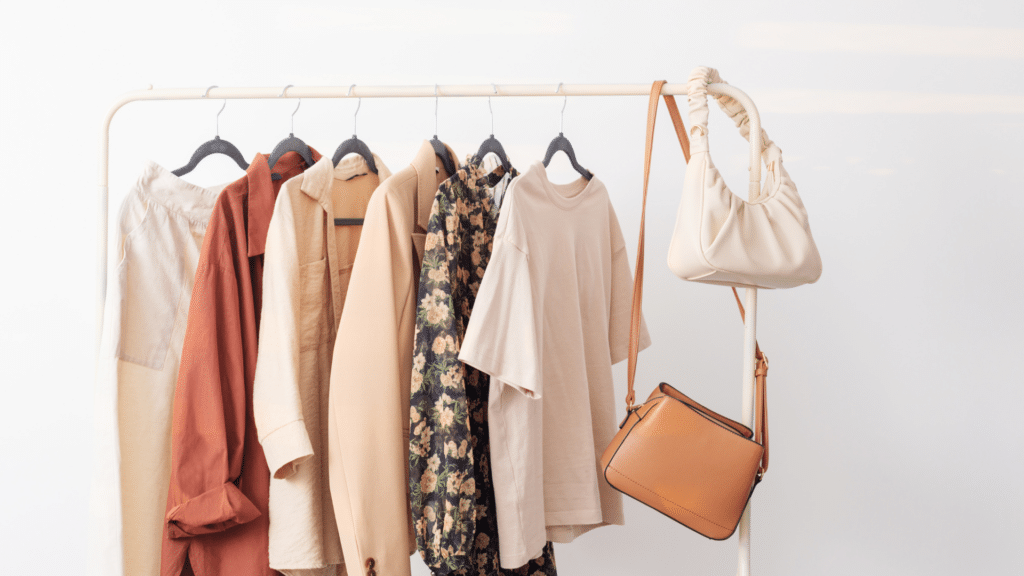
- Capsule wardrobes: Building a small collection of versatile pieces that work well together, and wearing them for years
- No-buy challenges: Committing to periods where you don’t purchase anything non-essential
- Repair over replace: Fixing things instead of throwing them away and buying new
- Intentional purchasing: Asking yourself if you need something before buying it
- Experience over things: Spending money on travel, learning, or time with friends rather than material goods
People are also engaging in digital decluttering—unsubscribing from marketing emails, limiting social media exposure, and reducing screen time — to avoid constant consumption of messages.
The Financial and Emotional Benefits
Whether you call it underconsumption or frugality, buying less stuff has clear advantages. You save money, reduce debt, and have more resources available for things that truly matter to you.
The emotional benefits might be even more significant. Less clutter means less stress. When you’re not constantly buying and organizing new stuff, you have more time and mental energy for relationships, hobbies, and personal growth.
Many people find that once they break the cycle of always wanting more, they feel more grateful for what they already have. This shift in perspective can lead to greater overall life satisfaction.
Is This Just Frugality With a New Name?
In many ways, yes. The core principles of underconsumption—make do with what you have, repair instead of replace, shop secondhand when you need something—are the same strategies frugal people have used for generations.
The primary difference lies in the cultural context and motivation. Traditional frugality was often born out of necessity or passed down through families who lived through tough economic times. Today’s underconsumption movement is more about making a conscious choice to reject consumer culture and prioritize sustainability and well-being.
For some people, underconsumption remains a necessity—they simply can’t afford to keep up with consumption trends. But for others, it’s a form of activism or self-care, a way to push back against the pressure to constantly buy more.
Getting Started With Underconsumption
If you’re interested in trying this approach, start small. You don’t need to overhaul your entire lifestyle overnight.
Try a no-buy challenge for a month—commit to purchasing only essentials, such as food and toiletries. Use this time to thoroughly examine what you already own and discover ways to utilize items you may have overlooked.
Go through your belongings and sell or donate items you no longer use. This can be surprisingly freeing, and you might even make some money in the process.

When you do need to buy something, try shopping secondhand first. Thrift stores, consignment shops, and online marketplaces often have precisely what you need at a fraction of the retail price.
Cancel subscriptions you don’t use and limit your exposure to advertising. Unsubscribe from promotional emails and consider taking breaks from social media if you find it triggers the urge to shop.
Final Thoughts on Underconsumption
Whether you call it underconsumption or frugal living, the idea of buying less and appreciating more is hardly new. What is new is how this mindset is spreading among younger generations and becoming a form of cultural resistance to the constant pressure of consumption.
The specific label doesn’t matter as much as the results. If living with less stuff, spending less money, and focusing on experiences over possessions appeals to you, then you’re already on the right track, regardless of what trend name you use to describe it.
In a world that constantly tells us we need more to be happy, choosing to embrace less can be a radical act of self-care and financial wisdom.