

Frugal Self-Care Routines That Don’t Feel Cheap
You deserve to feel pampered. You deserve to feel special. And you absolutely deserve self-care that doesn’t drain your checking account or make you feel guilty about spending.
Here’s the truth most wellness influencers won’t tell you: real self-care isn’t about expensive spa days or luxury products. It’s about creating intentional moments that make you feel like yourself again—the version of you who isn’t running on empty and surviving on convenience-store coffee.
Let’s talk about how to give yourself the care you need without the price tag that makes your budget weep.
The Real Secret to Affordable Luxury
The difference between self-care that feels cheap and self-care that feels luxurious has nothing to do with how much you spend. It’s all about the ritual, the intention, and those small sensory details that tell your brain, “This moment matters.”

Think about it. A shower is just a shower when you’re rushing through it with a timer going in your head. But light a candle, play your favorite music, and use that one really nice soap you’ve been saving? That’s an experience.
The magic happens when you slow down enough to actually be present. When you create a mini-ceremony out of ordinary moments, that’s what turns frugal into luxurious.
Creating Your At-Home Spa Experience
You don’t need a fancy spa membership to feel pampered. You just need a bathroom, some basic supplies, and 30 minutes where nobody needs you.
Start with a long bath or shower—as hot as you like it. Add Epsom salts if you have them (they’re cheap at any drugstore). Light a candle or two. Put on some music that doesn’t involve cartoon characters singing about friendship.
Here’s what makes it feel expensive:
- A homemade scrub using sugar and any oil from your kitchen
- Taking the time to really moisturize your entire body afterward
- Using your nice towels instead of saving them for guests who never come
- Dimming the lights or using candles instead of harsh overhead lighting
You can create a spa-worthy face mask from ingredients you already have. Honey and yogurt. Oatmeal and water. The actual ingredients matter less than the fact that you’re taking time to do something just for you.
Even switching to one really lovely bar of soap—something that smells amazing and feels special—can transform your daily shower into an indulgence. You can find beautiful artisan soaps for less than a fancy coffee, and they last for weeks.
Movement That Feels Good, Not Punishing
Self-care doesn’t mean you have to run a marathon or master hot yoga. Sometimes, the most caring thing you can do for your body is gentle movement that actually feels good.
YouTube is packed with free yoga, stretching, and low-impact workout videos. Find an instructor whose voice doesn’t make you want to throw your phone across the room. Start with 10 minutes if that’s all you’ve got.

Walking counts. Walking absolutely counts. Put in your earbuds, queue up a podcast or playlist you love, and just go. No fitness tracker required, no competition with anyone.
The goal isn’t to punish yourself into shape. The goal is to move your body in ways that make you feel stronger, calmer, and more like yourself. That’s self-care.
The Power of Sleep and Wind-Down Rituals
Want to know the most underrated form of self-care? Going to bed at a regular time. Revolutionary, right?
Your body craves routine, especially when life feels chaotic. A consistent bedtime does more for your wellbeing than any face serum or wellness supplement ever could—and it’s completely free.
Try building a simple wind-down routine:
- Set a “screens off” time one hour before bed
- Make a cup of herbal tea (the generic store brand works just fine)
- Read for 20 minutes, even if it’s the same three pages you’ve been rereading all week
- Keep your bedroom cool and as dark as possible
You don’t need blackout curtains or a white noise machine, though those are nice if you can swing them. You just need to signal to your brain that it’s safe to rest. That you’re allowed to stop being “on” for everyone else.
Small Splurges That Feel Decadent
Sometimes frugal self-care means permitting yourself to spend a little—emphasis on little—on something that brings you genuine joy.
A favorite candle that you actually light instead of keeping it pristine on the shelf. A special tea that costs more than your usual but transforms your morning routine into something you look forward to. A bar of delicious chocolate that you eat slowly, one square at a time, instead of stress-eating the entire family-size bag of chips.
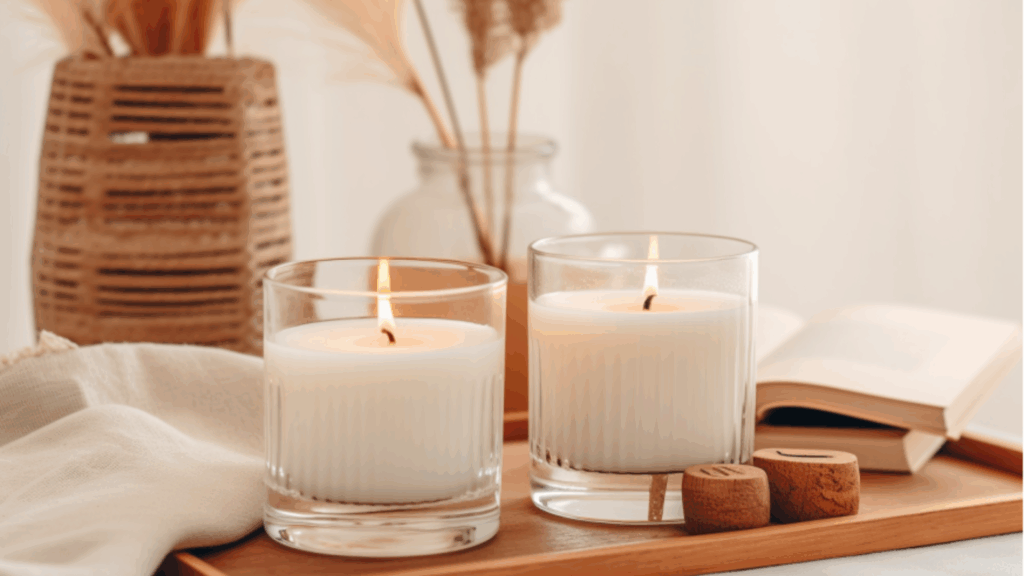
The key is making these small treats intentional, not impulsive—budget for them. Plan for them. That way, when you enjoy them, there’s no guilt attached—just pleasure.
You might spend five dollars on a fancy soap, three dollars on a special tea blend, or ten dollars on a candle that lasts for months. These aren’t frivolous purchases. They’re investments in moments that make you feel human again.
Creating Your Cozy Corner
You don’t need a she-shed or a meditation room. You just need one spot in your house that feels like yours—a place where you can sit for 20 minutes without someone asking where the remote is.
Find a chair, preferably one that’s actually comfortable. Add a throw blanket (thrift stores have beautiful ones for a few dollars). Put a small lamp nearby—preferably one that doesn’t remind you of a dentist’s office. Stack a few library books within reach.
This is your reading nook. Your thinking spot. Your “everyone leave me alone for half an hour” sanctuary. It doesn’t need to be Pinterest-perfect. It just needs to be yours.
When you sit down here with your tea or coffee, you’re sending yourself a message: I matter enough to have a space just for me. That’s powerful self-care, and it costs almost nothing.
Journaling and Getting Your Thoughts Out
Writing down your thoughts isn’t just for teenage girls with sparkly diaries. It’s one of the most effective ways to process what’s going on in your head without spending a fortune on therapy.
You don’t need a fancy journal. A cheap spiral notebook works perfectly. So does the notes app on your phone if you’re more comfortable typing.

Here’s what to write about when you’re stuck:
- Three things that went right today, even if one of them is just “I remembered to drink water”
- What’s making you feel stressed or overwhelmed right now
- What you’re looking forward to, even if it’s just the weekend
- How you want to feel versus how you actually feel
There’s something about getting thoughts out of your head and onto paper that makes them feel more manageable. You’re not solving all your problems. You’re just giving them somewhere to exist outside of your brain for a while.
You can also do gratitude lists if that’s your thing. But if gratitude journaling feels too “toxic positivity” when you’re genuinely struggling, skip it. Write about what’s actually true instead.
Creative Hobbies That Fill Your Cup
Remember when you used to do things just because they were fun? Before every hobby had to be monetized or Instagram-worthy or productive in some measurable way?
That’s what we’re going for here. Find something creative that lets you zone out and actually enjoy the process.
Drawing or doodling costs the price of a pencil and paper. Crocheting or knitting requires minimal supplies and gives your hands something to do while you watch TV. Baking can be therapeutic, especially when you’re kneading bread dough and pretending it’s your frustrations.
The goal isn’t to create masterpieces. The goal is to engage a different part of your brain for a while—the part that isn’t making lists or solving problems or keeping track of everyone’s schedules.
You might discover you’re actually good at something. Or you might just enjoy the mindless repetition of it. Either way, you’re giving yourself permission to do something purely for your own enjoyment. That’s radical self-care in a world that constantly demands productivity.
Connection Without the Price Tag
You know what’s amazing self-care? Actually talking to another human who gets it.
Invite a friend over for tea or coffee at your place. You don’t need to serve anything fancy—conversation is the main course. Go for a walk together if you both need to move or if sitting face-to-face feels too intense.

Host a game night with whatever games you already own. Order pizza if your budget allows, or make it potluck-style where everyone brings something. The point is the connection, not the menu.
Low-cost ways to connect:
- Video calls with friends who live far away (pajamas optional)
- Meeting a friend at the library to browse together
- Taking turns hosting movie nights instead of paying for theater tickets
- Starting a simple book club that meets monthly at someone’s house
We’re social creatures, even those of us who identify as introverts. Sometimes the best self-care is reminding yourself that you’re not alone in this—that other people are also struggling, also tired, also doing their best.
Digital Detox Without Going Off the Grid
You don’t have to delete all your apps or throw your phone in a lake. You just need some boundaries around screen time that actually work for your life.
Try designating one hour a day as screen-free time. Maybe it’s the first hour after you wake up, or the hour before bed, or that time in the late afternoon when you’re usually scrolling mindlessly anyway.
During that hour, do literally anything else. Read a book with actual pages. Take a bath. Sit outside. Stare at the wall if that’s all you’ve got energy for.
The world will not end if you’re unreachable for 60 minutes. The texts will still be there. The emails can wait. Instagram will continue to exist without your participation for one single hour.
You might be surprised how much calmer you feel when you give your brain a break from the constant input and stimulation. That’s your nervous system saying thank you.
The Weekly Reset Ritual
Here’s the thing about self-care: it works better when it’s a system, not just random acts of bubble baths when you’re already burnt out.
Try building a weekly reset routine that gives your whole week a better foundation. Pick a specific time—Sunday afternoon, Saturday morning, whenever works for you—and use it to set yourself up for success.
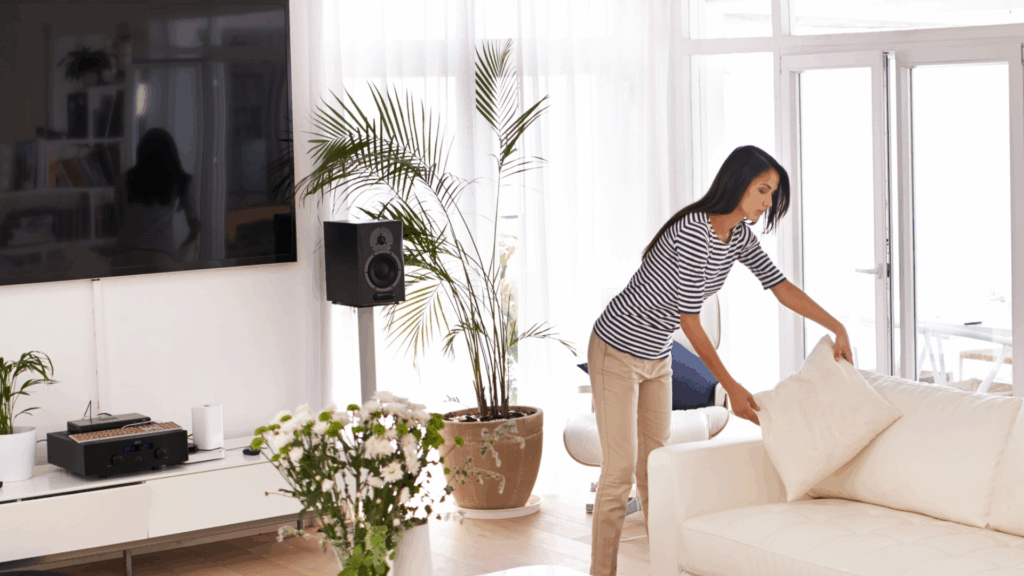
What a reset might include:
- Doing a quick tidy of your main living space
- Putting fresh sheets on your bed (clean sheets are self-care)
- Planning meals for the week so you’re not making decisions when you’re starving
- Laying out your clothes for Monday so you’re not scrambling
- Writing down three goals or priorities for the week ahead
This isn’t about being perfect. It’s about creating a little breathing room so the week doesn’t feel quite so chaotic. When your space is reasonably organized and you have some semblance of a plan, everything else feels more manageable.
The reset itself becomes a form of self-care. You’re taking care of future you, which is one of the kindest things present you can do.
Permission to Treat Yourself
If you’re reading this and thinking, “This all sounds great, but I feel guilty spending money or time on myself”—that’s the problem right there.
You’re allowed to take up space. You’re allowed to have needs. You’re allowed to spend a few dollars on something that makes you feel human without justifying it to anyone, including yourself.
The women in our demographic—midlife, juggling responsibilities, always putting everyone else first—we’re so conditioned to make ourselves small. To need less. To ask for less. To be grateful for crumbs.
But here’s what actually happens when you run on empty: you have nothing left to give anyone else. You become resentful. You snap at people you love. You eat standing over the sink because sitting down feels like too much.
That’s not noble. That’s not sustainable. That’s just running yourself into the ground.
Making It Actually Happen
The hardest part isn’t finding affordable self-care ideas. The hardest part is giving yourself permission to actually do them.
Start small. Pick one thing from this list—just one—and commit to doing it this week. Not every day. Not even multiple times. Just once.

Maybe it’s the at-home spa night on Wednesday. It could be the Sunday reset routine. Perhaps it’s just lighting a candle while you drink your morning coffee tomorrow.
You don’t have to overhaul your entire life or create an elaborate self-care routine that requires scheduling. You just need to prove to yourself that you’re worth 20 minutes of intentional care.
Then do it again next week. And the week after that. Until taking care of yourself stops feeling like a luxury and becomes a normal part of how you move through the world.
Final Thoughts on Frugal Self-Care
Self-care on a budget isn’t about making do with less. It’s about recognizing that the best self-care has never been about money in the first place.
It’s about presence. Intention. Those small sensory details that tell your nervous system it’s safe to relax. The rituals that remind you that you’re more than a list of responsibilities and tasks.
You can feel pampered without being rich. You can feel cared for without spending a fortune. You absolutely can give yourself the rest and replenishment you need while staying within your budget.
The world will keep demanding more from you. Your job, your family, your community—everyone wants a piece. But you get to demand something too. You get to demand time, space, and care for yourself.
Not someday when you have more money or fewer responsibilities. Not when you’ve earned it or deserve it or finished your to-do list.
Right now. Today. This week.
You’re worth it. Not because you’re productive, helpful, or friendly. Just because you’re human, and humans need care.
Start with one thing. Light the candle. Take the bath. Make the tea. Create the moment. The budget-friendly luxury you’re looking for is already within reach—you just have to give yourself permission to take it.