
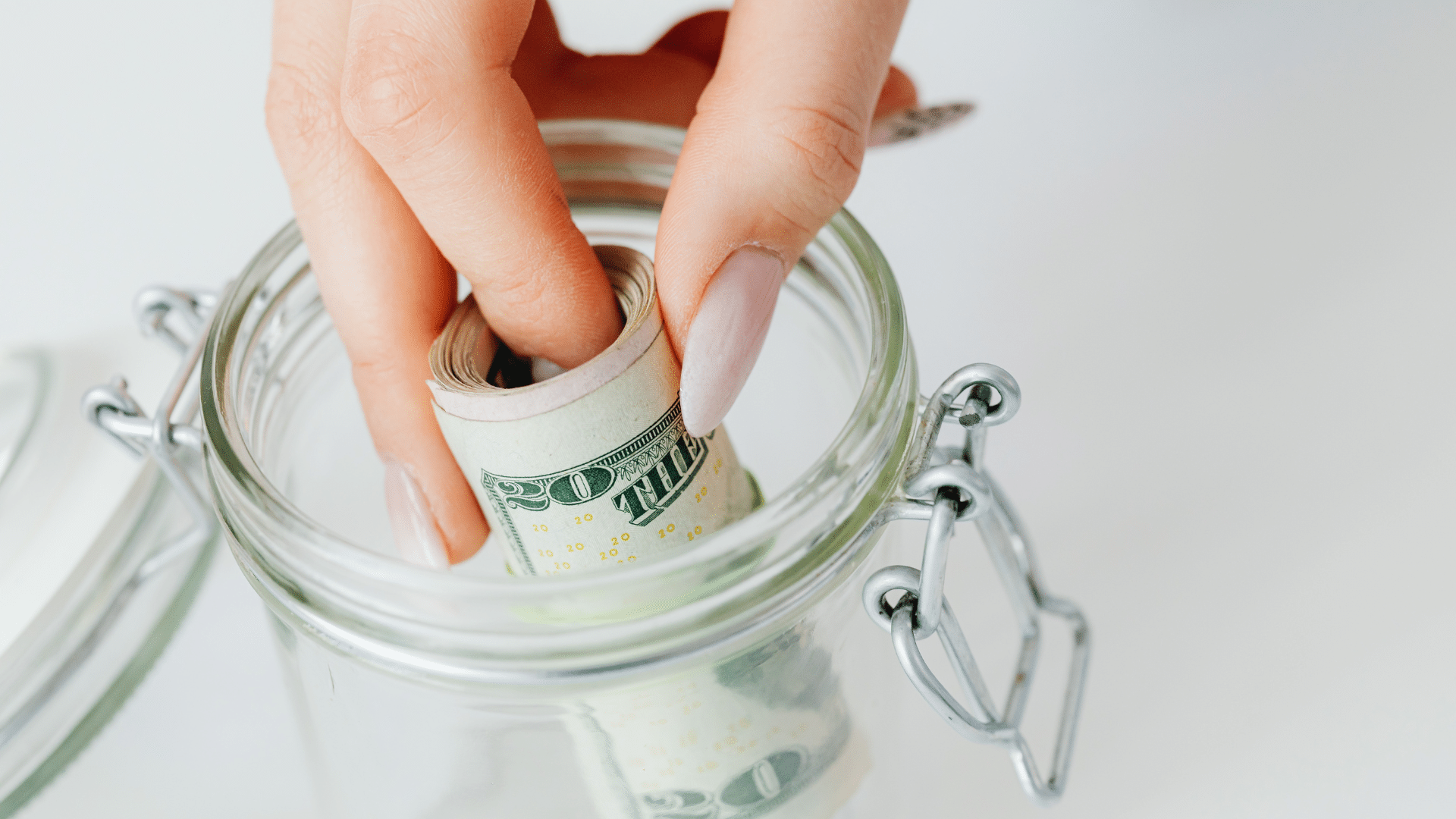
What I Put in My Frugal Girl Emergency Kit
When most people talk about emergency kits, they’re picturing flashlights and first-aid supplies. And sure, those matter. But here’s what I’ve learned after years of living frugally: a genuine emergency kit for someone on a tight budget needs to cover more than just power outages and natural disasters.
The emergencies that hit us hardest? They’re the ones that drain our bank accounts. Job losses. Surprise medical bills. Car repairs that cost more than your monthly grocery budget. Those are the crises that can derail everything if we’re not prepared.
So I built my emergency kit differently. It’s part pantry, part mindset, part actual stuff, and part systems that keep me steady when life goes sideways. Let me walk you through what’s actually in mine.
The Pantry Foundation (Because Food Security Is Financial Security)
This isn’t about prepping for the apocalypse. This is about having enough food on hand to feed your family through a job loss, a big unexpected bill, or even just a brutal month when everything hits at once.
I focus on cheap, filling, flexible foods that we actually eat. There’s no point in stocking up on things your family won’t touch when times get tough. My go-to staples include rice, pasta, oats, lentils, split peas, dried beans, and bouillon cubes. These are the backbone of dozens of meals, and they cost next to nothing per serving.

For canned and shelf-stable items, I keep tomatoes, vegetables, beans, tuna, chicken, soups, canned milk (or the shelf-stable carton), peanut butter, crackers, and tinned fruit. These give me options when I need to stretch the pantry without hitting the store.
Here’s the part nobody talks about: I also keep quick no-cook options on hand. Granola bars, nuts, crackers, and peanut butter with honey mean we can eat even if the power goes out or the stove breaks and we can’t afford to fix it right away. When you’re broke, you can’t always solve problems immediately.
I also stash a few comfort items because morale matters when money is tight. Tea bags, hot chocolate mix, and basic baking supplies (flour, sugar, oil, yeast) let me make cheap treats that help everyone feel a little more normal during hard times.
The Household Basics (So You Can Handle a Bad Week Without Shopping)
This layer is about being able to function for at least a week without buying anything. When you’re in crisis mode, the last thing you need is to realize you’re out of toilet paper and pain relievers.
My mini first-aid kit includes adhesive bandages, pain-relief medication, antiseptic wipes, bandages, and any essential medications we use regularly—nothing fancy, just the basics that keep us from needing urgent care for minor issues.
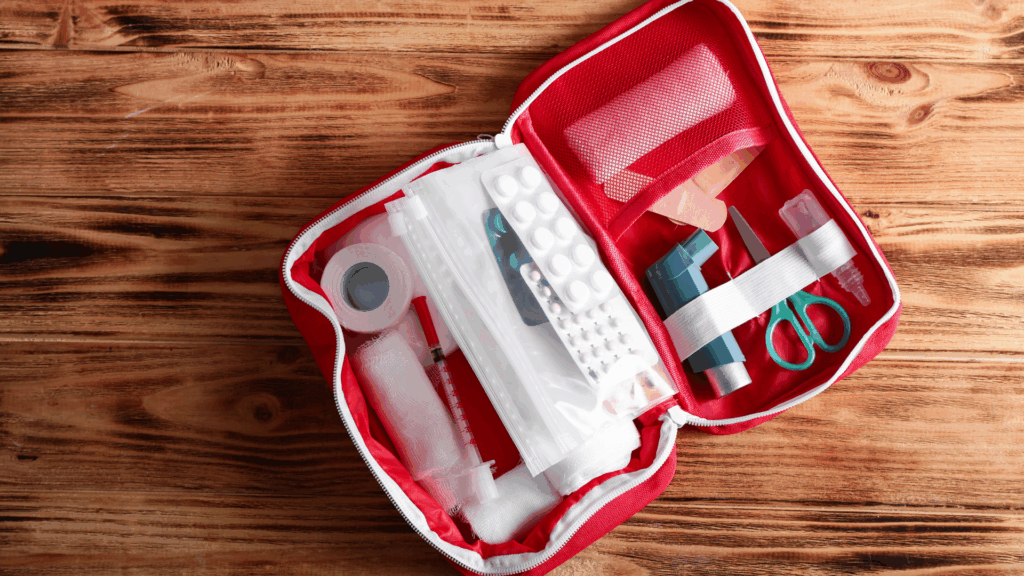
For on-budget hygiene, I keep extra bar soap, basic shampoo, toothpaste, spare toothbrushes, baby wipes, pads or tampons, and a few disposable masks. Bar soap is cheaper than body wash and lasts forever. Baby wipes work for everything from quick cleanups to actual emergencies.
The household backup supplies are simple but crucial: extra toilet paper, trash bags (which double as emergency water carriers or makeshift rain ponchos if needed), and bleach or disinfectant wipes. These are the things you don’t think about until you desperately need them.
The Cheap Tools That Make Everything Stretch Further
Small, affordable items can turn chaos into something manageable. These tools don’t cost much, but they’re worth their weight in gold when something goes wrong.
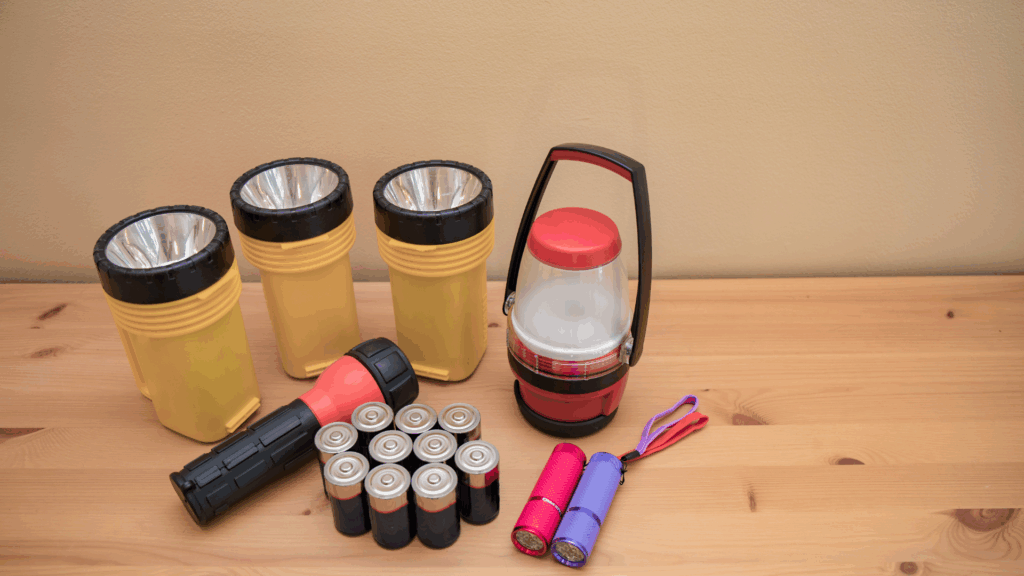
For light and power, I have a basic flashlight with extra batteries and a cheap headlamp. If your budget allows, a power bank for phones is a game-changer. Communication matters in emergencies, and a dead phone adds unnecessary stress.
Fire and cooking options include disposable lighters or matches. I also have a single-burner camping stove, though this isn’t essential. What matters more is having a plan for stovetop batch cooking when money is extremely tight, and you need to make every ingredient count.
My fix-it supplies are minimal: a small sewing kit, duct tape, safety pins, and a multi-bit screwdriver or small multitool. These have saved me hundreds of dollars in repairs and replacements. A popped button or small tear doesn’t mean buying new clothes when you can fix it yourself.
Don’t underestimate containers. I wash and save jars, plastic tubs, and reusable bags. They’re perfect for storing leftovers, portioning out bulk purchases, carrying water, or organizing small items. Free storage solutions that actually work.
The Money and Paperwork “First Aid”
This is the invisible part of the kit, and honestly, it’s the most powerful. This is the stuff that keeps you from completely spiraling when a financial crisis hits.
Start with a tiny emergency fund. I call it my “first $100” goal. This lives in a separate account, so it’s harder to touch on impulse. You can build this from side hustles, selling things you don’t need, or doing no-spend challenges. Even $20 at a time adds up faster than you think.
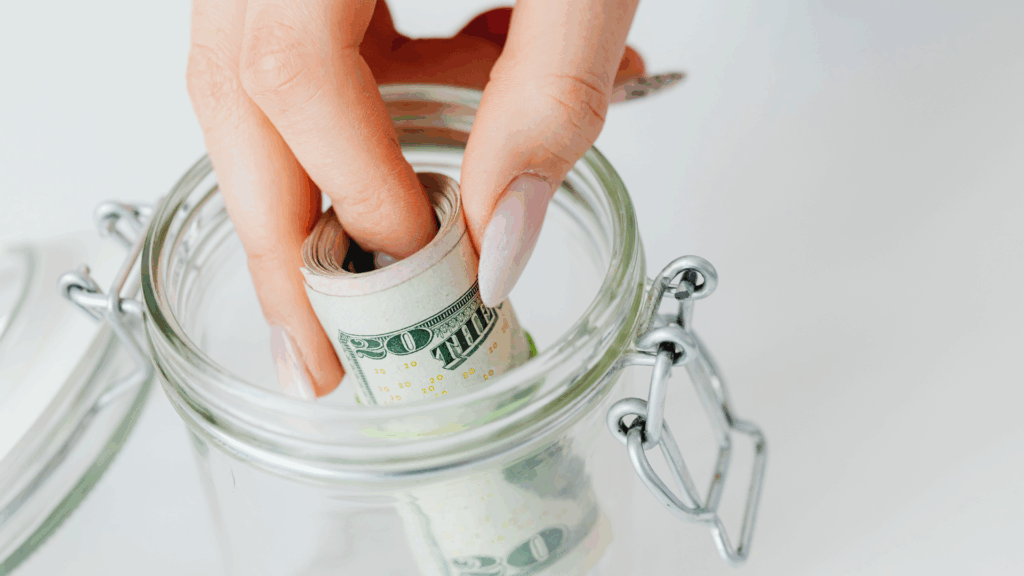
I also keep a small cash stash hidden at home. Not a fortune, just enough to cover a day or two of basics if the card gets declined or there’s a system outage at the bank. Cash in hand eliminates one layer of panic.
Your grab-and-go file should include copies (or secure photos) of your ID, key account numbers, insurance information, and a medication list with dosages. If you had to leave quickly or needed to prove who you are without your wallet, this file saves you.
Here’s the thing that’s saved me more than once: a pre-written emergency budget. This is your absolute essentials-only spending plan. When a crisis hits, you don’t have to figure out what to cut—you just switch to this budget: food, housing, utilities, and medications. Everything else pauses until you stabilize.
The Mindset and Emotional Kit (Because Money Stress Is Real Stress)
This part surprises people, but it keeps me functional when things get hard. Financial emergencies are emotionally draining. Having some guardrails for my brain helps more than another case of canned goods ever would.
I keep written mantras and rules where I can see them. “Use what you have first.” “24-hour rule before non-essential spending.” “Check the pantry before the store.” These sound simple, but in the moment when you’re stressed and want to solve problems by shopping, they work.
My calm-the-panic list is a step-by-step script for “what I do on a money-crisis day.” Breathe. Make tea. Open the banking app and look at the actual numbers. List my options. Ask for help if I need it. When your brain is in fight-or-flight mode, having a predetermined routine helps.

I also keep a list of free comfort activities: a library card for books and movies, free local activities, and at-home date or family night ideas that cost nothing. When you’re cutting spending to survive, you still need joy—free fun matters.
The Systems That Hold Everything Together
The systems are what make the kit actually work, not just sit there looking organized. This is the operating system that runs in the background.
Pantry rotation uses a simple “first in, first out” rule. Once a month, I plan “use-it-up” meals from what I already have at home before I buy more. This keeps food from expiring and saves money every single month.
My restocking routine is a short checklist on the pantry door. When something hits the last one or two items, it is added to the replacement list. Then I buy it during the next regular shopping trip or when it’s on sale. No emergency runs to the expensive convenience store.
For savings habits, I automate what I can. A small transfer happens on payday before I see the money. I also skim spare change or use round-up features to feed the emergency fund. Seasonal challenges like “Frugal February” help me boost the kit when regular life feels manageable.
I even have a mini go-bag version: a tote with a change of clothes, basic hygiene items, snacks, a water bottle, and a list of must-grab items if I had to leave quickly. This isn’t just for natural disasters. Domestic situations, sudden hospital stays, or needing to crash somewhere else for a few days—life throws curveballs.
Why This Actually Works
The thing about building an emergency kit as a frugal person is that you can’t just buy your way into preparedness. Most of us don’t have $500 to drop on emergency supplies. We build it slowly, intentionally, using what we have and adding pieces as we can.

What makes this kit different is that it covers the actual emergencies we face. Not just hurricanes and earthquakes, but the financial shocks that hit way more often. The car breaking down. The job ending. The medical bill that wasn’t covered.
This kit gives you breathing room. It gives you time to think rather than react. It means when something goes wrong, you have options beyond just panicking or going into debt.
Final Thoughts on Frugal Emergency Kits
You don’t need to build all of this at once. Start with one section. You could focus on getting your pantry basics this month. Next month, you will add the household supplies. The month after that, you start your tiny emergency fund.
The mindset piece and the systems? Those cost nothing, and you can start today. Write down your mantras. Make your emergency budget. Set up that automatic transfer, even if it’s just $5 at first.
What matters is that you’re building something. Every item you add to your kit is one less thing that can derail you when a crisis hits. And trust me, something will hit. It always does.
The difference is that you’ll be ready. Not perfectly ready, not “I have six months of expenses saved” ready, but ready enough. Ready enough to breathe. Ready enough to think. Ready enough to get through it without losing everything you’ve worked for.
That’s what a real frugal girl emergency kit does. It keeps you stable when life tries to knock you down. And honestly? That’s worth more than any fancy disaster kit you could buy.