

The Anti-Perfectionist Guide to Homemaking on a Budget
You know that feeling when you scroll through social media and see those perfectly styled homes with color-coordinated everything? The ones where every surface gleams, the throw pillows are artfully arranged, and there’s not a single water stain on the coffee table?
Yeah, that’s not real life. And here’s the truth: your home doesn’t need to look like a magazine spread to be a peaceful, comfortable place where you actually want to spend time.
If you’re a midlife woman juggling work, family, and everything in between while trying to keep your home running on a tight budget, this guide is for you. We’re throwing out Pinterest-perfection and focusing on what actually matters: a functional, cozy home that doesn’t drain your bank account or your energy.
Why Perfect Is the Enemy of Good (Enough)
Here’s what happens when we chase perfection in our homes. We see a beautiful organizing project on Instagram and think, “I need to do that.” But we don’t have the correct bins, or the perfect label maker, or three uninterrupted hours to complete it, so we do nothing at all.

This is what experts call “analysis paralysis,” and it’s killing your momentum in homemaking. When the standard is perfection, ordinary tasks turn into major projects that require the “perfect time” and the “perfect plan.” Spoiler alert: that perfect time never comes.
The goal isn’t a showroom. The goal is a home that works for the people living in it right now, mess and all. Your kitchen table doesn’t need to be styled for a photoshoot—it just needs to be clear enough to eat dinner on.
Clean and Clear Beats Curated Every Time
Want to know the secret to a home that feels good? It’s not expensive decor or matching everything. A wiped-down kitchen counter with mismatched mugs feels better than a styled coffee bar you’re afraid to use.
Focus your energy on the basics that make daily life smoother. Clean surfaces, clear walkways, and a reasonably tidy main living area will do more for your peace of mind than any decorating project.
Here’s what actually makes a home feel welcoming:
The comfort basics that cost almost nothing:
- A cleared kitchen table or counter where you can set things down
- Walkways free of clutter so you’re not tripping over stuff
- One cozy spot with decent lighting where you can actually relax
- Rooms that smell fresh (open windows are free, friends)
You don’t need to deep clean every corner or organize every drawer. You need the daily-use spaces to be functional enough that life flows without constant frustration.
Cozy on a Real-Life Budget
Let’s talk about creating comfort without breaking the bank. The home improvement stores want you to believe you need a complete makeover, but real coziness comes from small, thoughtful touches that don’t require a credit card.
Soft lighting instantly makes any room feel better. Swap out one harsh overhead bulb for a thrift store lamp with a softer bulb. Add a throw blanket to your couch—doesn’t matter if it matches. Light a candle or simmer some cinnamon and orange peels on the stove.
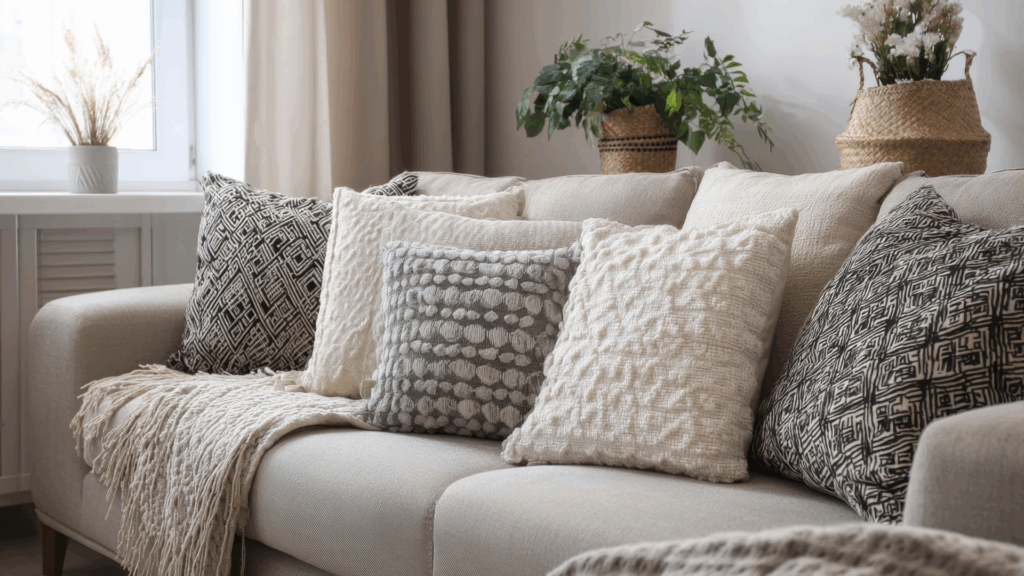
These tiny upgrades cost next to nothing but completely change how a room feels. A space doesn’t need to be decorated to feel like home. It just needs to feel comfortable and lived-in.
Budget-friendly ways to add warmth:
- Rearrange furniture to create better flow and conversation areas
- Use what you have—group items you already own to create visual interest
- Add texture with inexpensive textiles like dish towels, pillow covers, or a secondhand rug
- Bring in free nature elements like branches, pinecones, or stones from your yard
The best part? None of these requires you to spend hours shopping or hundreds of dollars at the home decor store.
Start Small: The 10-Minute Reset.
Overwhelmed by everything that needs doing? Stop trying to overhaul your entire home in one weekend. That’s the perfectionist trap again.
Instead, set a timer for 10 minutes and tackle one small zone. One drawer. One counter. One chair that’s become a pile of laundry. Just 10 minutes with some music playing, and you’ll be amazed at what you can accomplish.
The power of these micro-sessions is that they’re sustainable. You’re not exhausting yourself trying to transform an entire room. You’re creating small wins that actually stick because you can repeat them without burning yourself out.
Tiny zones that make a big difference:
- The kitchen counter next to the stove
- The bathroom counter around the sink
- The entry table or hook area
- One junk drawer that drives you crazy daily
Pick the spot that creates the most daily friction in your life. Clear it, clean it, and maintain just that one area for a week. Once it feels easy, add another small zone.
Frugal Homemaking That Actually Saves Money
Pinterest might tell you to buy matching storage bins and cute labels, but real frugal homemaking is about reducing expenses, not adding them. The most significant savings in running a home come from the boring stuff: food, utilities, and basic maintenance.
Cooking from scratch when possible saves significantly more than any organizing system. Shop sales, batch cook on weekends, use leftovers creatively, and keep a few “emergency meals” stocked so you don’t resort to expensive takeout on rough days.

Around the house, small habit changes add up fast. Make your own basic cleaners from vinegar, baking soda, and dish soap. Turn down the thermostat a degree or two and layer up with blankets. Switch to LED bulbs. Unplug devices you’re not using.
The homemaking tasks that cut bills:
- Meal planning around sales and what you already have
- Learning basic repairs through free YouTube tutorials
- Making simple cleaners that cost pennies per batch
- Maintaining appliances so they last longer (cleaning dryer vents, changing AC filters)
- Creating “better than takeout” go-to meals like upgraded frozen pizza with salad or quick soups from pantry odds and ends
None of this looks impressive on Instagram, but your bank account will notice the difference. That’s the kind of homemaking that builds wealth over time.
Routines Without Rigid Rules
Here’s where a lot of homemaking advice goes wrong: it assumes you have endless time and energy to maintain elaborate systems. Maybe you did in your 20s, but midlife comes with different demands.
Your homemaking routines need to flex with your real life. Some weeks, you’ll have energy to meal prep and deep clean. Other weeks, keeping dishes washed and laundry rotated is a win. Both are perfectly fine.
Build routines around your personality and current season of life, not some idealized version of what a homemaker “should” do. If morning cleaning doesn’t work for you, don’t force it. If you hate meal planning, don’t do it. Find the rhythm that fits your life now.
Good-enough routines that work:
- Clean the kitchen before bed (or first thing in the morning if evenings are chaos)
- Do one load of laundry every day or two instead of weekend marathon sessions
- Wipe down the bathroom while the shower warms up
- Keep a donation bag in your closet for items you realize you don’t use
- Plan just 3-4 dinners per week and fill in the gaps with simple meals
The goal is sustainable systems that don’t require you to be “on” all the time. Real homemaking for real people means accepting that some things will slide sometimes, and that’s okay.
Permit Yourself to Let It Go
If you’ve been carrying guilt about your home not measuring up, here’s your permission to stop feeling guilty. Your home is supposed to support your life, not the other way around.
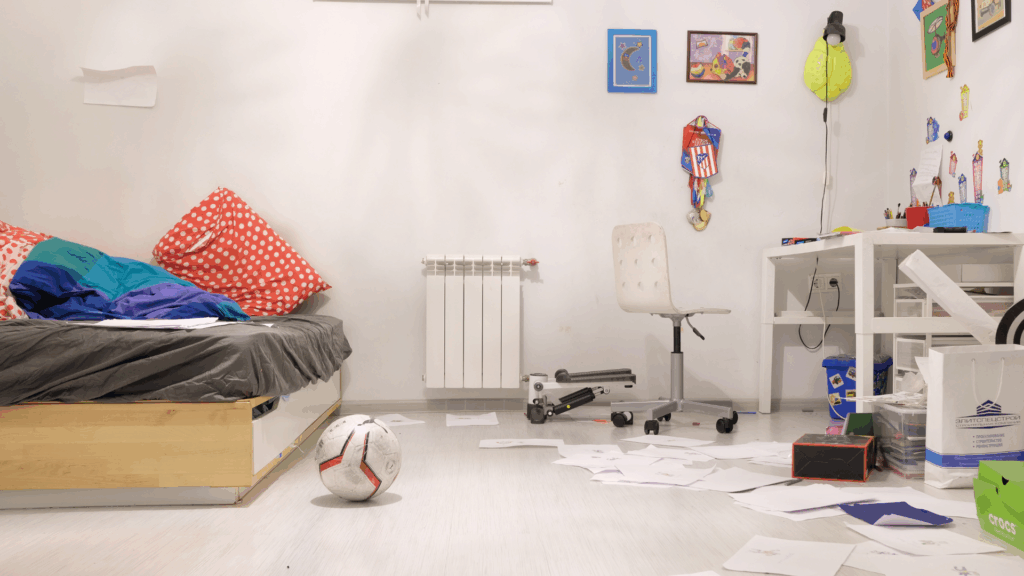
The people in your house matter infinitely more than the things in your house. A messy living room where your family actually gathers beats a pristine space everyone’s afraid to touch.
Midlife often brings sandwich-generation pressures—caring for aging parents, supporting adult kids, and managing career demands. Your home might not be your top priority right now, and that’s completely legitimate. This season won’t last forever.
What matters more than a perfect home:
- Being present with the people you love
- Having energy left for things that bring you joy
- Not spending money you don’t have, trying to keep up with others
- Actually resting instead of constantly working on your home
Your home is a backdrop for your life, not a performance for others. Let it be a supportive backdrop that’s “good enough” for this season.
When Good Enough Saves More Than Money
Here’s the unexpected benefit of anti-perfectionist homemaking: it saves your mental energy and emotional bandwidth just as much as it saves money.
When you stop trying to do everything perfectly, you free up space for what actually matters. Instead of spending your weekend deep cleaning baseboards, you can spend time with friends or finally read that book. Instead of stressing over styled shelves, you can focus on the financial goals that will change your future.
The comparison trap steals both your money and your peace. Following expensive home trends keeps you broke. Chasing perfection keeps you exhausted. Neither one serves you.
What good-enough homemaking gives you:
- More money in your budget for debt payoff and savings
- Energy for relationships and hobbies that fulfill you
- Freedom from the constant pressure to do more and be more
- Permission to rest without guilt
- A home that feels like yours, not someone else’s ideal
Your home doesn’t need to impress anyone. It just needs to work for you and the people you love.
Final Thoughts on Being Anti-Perfectionist
Feeling overwhelmed by everything we’ve covered? That’s precisely what we’re trying to avoid. Don’t try to implement everything at once. Pick one single thing from this guide that resonated with you.
It could be letting go of one area you’ve been trying to keep perfect. Maybe it’s starting those 10-minute resets. Perhaps it’s permitting yourself to have a “good enough” week without guilt.
Start there. Just one thing. See how it feels. Then, when you’re ready, come back and pick another small change.
Your home is a work in progress, just like everything else in life. It doesn’t need to be perfect. It just needs to be enough for right now, and that’s exactly what it is.