
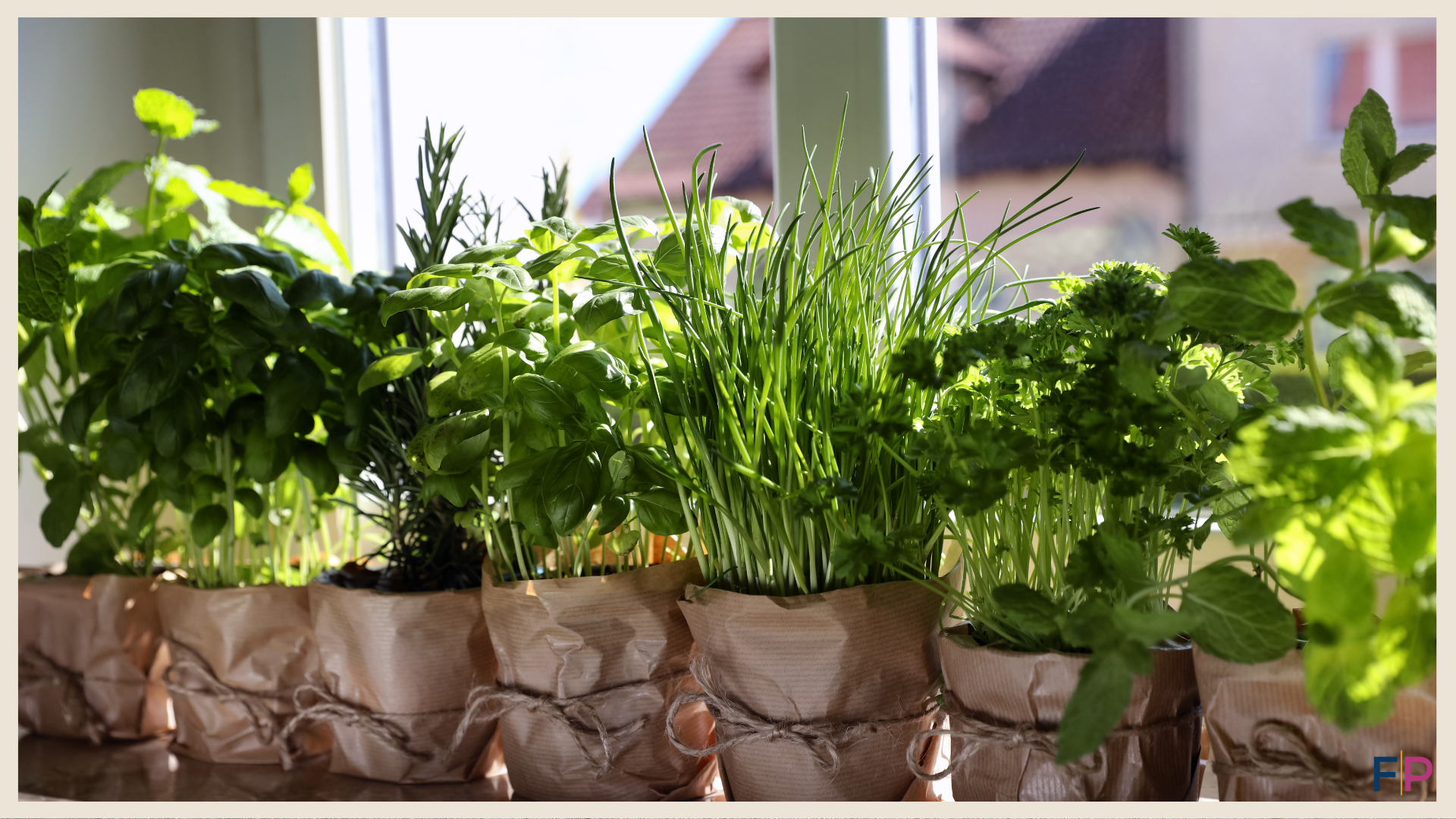
How I Grow $200 Worth of Herbs on My Windowsill
You don’t need a garden to grow your own food. All you need is a sunny window and a few clever tricks. Herbs are the easiest place to start, and they happen to be some of the most overpriced items in the produce section.
A small clamshell of fresh basil can run close to $4, and half of it often wilts in the fridge before you use it. A single basil plant on your windowsill keeps producing for months. That gap is where the savings live.
This post shows you how to set up a tiny herb garden for very little money, which herbs earn their space, and how to keep them growing all year. By the end, you’ll have a plan to add fresh flavor to every meal and a dollar amount you can actually track.
Where the $200 Comes From
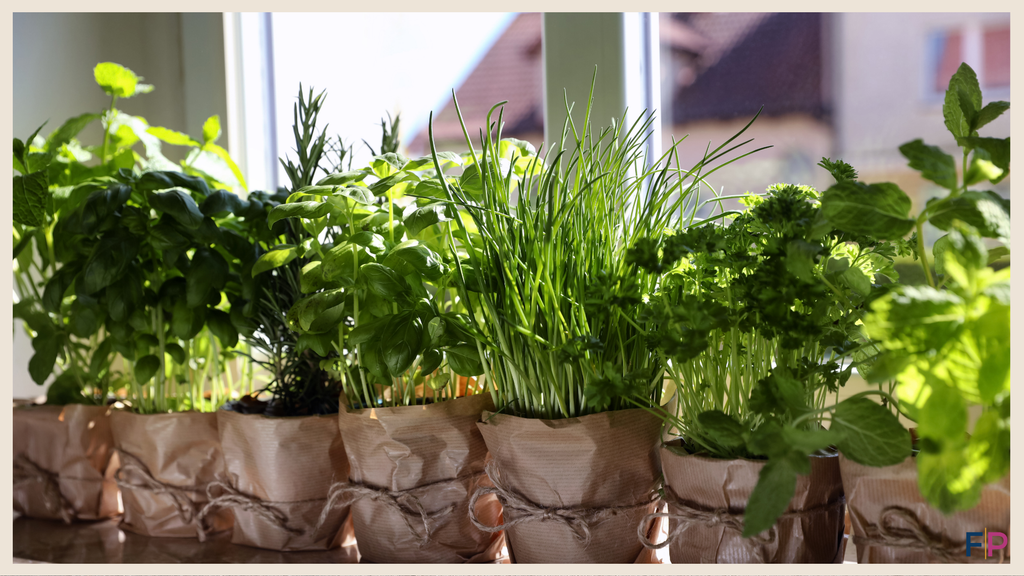
Let’s run the numbers, because frugal living works best when the math is honest. A clamshell of fresh basil costs about $3.63 at a major retailer, and a bunch of parsley or cilantro often lands just under $1. If you buy one of each every week, you’re spending around $4.60, which adds up to roughly $240 a year.
Most people don’t buy herbs that regularly, so your own total will vary. If you cook with fresh herbs a few times a week and keep picking up a pack of thyme here and a bunch of mint there, $200 a year is a realistic number. Think of it as a target to track, not a guarantee.
Why Some Herbs Save More Than Others
Here’s the part many gardening posts skip. Cilantro and parsley are cheap at the store, so growing them saves you less per harvest. The bigger savings come from herbs sold in small, pricey packs.
- Basil: Often $3 to $4 for a small clamshell, and it spoils fast once you get it home.
- Rosemary, thyme, and sage: Sold in tiny packs that cost far more per ounce than most produce.
- Mint: Rarely cheap when you only need a handful for tea, salads, or a summer drink.
- Chives: A small pack for a plant that grows like grass once it settles in.
Start with these, and your windowsill pays you back faster. You can always add parsley and cilantro later for variety.
What You Need to Get Started
A basic windowsill herb garden can cost somewhere around $20 to $40, and less if you reuse containers you already own. The shopping list is short: pots with drainage holes, a bag of potting mix, a tray or saucer to catch water, and either seeds or small starter plants.
Yogurt tubs, tin cans, and old mugs all work as pots, as long as you poke or drill a few holes in the bottom. Use potting mix instead of dirt from the yard, since garden soil packs down in a pot and stays too wet. One bag will fill every container you’re likely to need.
Light Is the One Thing You Can’t Fake Cheaply
Most herbs need at least six hours of direct sun a day, and a south-facing window is the best spot. East and west windows can work too, especially for gentler herbs like parsley, chives, mint, and thyme. North-facing windows usually don’t give enough light.
If your window falls short, a basic LED grow light on a cheap outlet timer solves the problem. Many growers run lights 12 to 14 hours a day when natural light is limited. It’s the one purchase worth considering, and it still costs far less than a year of store-bought herbs.
Your plants will tell you when the light is off. Tall, thin, pale stems stretching toward the glass mean they want more of it.
Containers, Soil, and Water
Pick pots that are at least 6 inches wide so the roots have room and the soil doesn’t dry out in an afternoon. Group herbs with similar needs together, such as rosemary, thyme, and oregano, which like to dry out between waterings. Keep thirstier plants like basil and mint in their own pots.
Water when the top inch of soil feels dry, then let the extra drain into the saucer and empty it. Soggy soil is the fastest way to lose a plant, and it’s the most common beginner mistake.
The Best Herbs for Your Windowsill
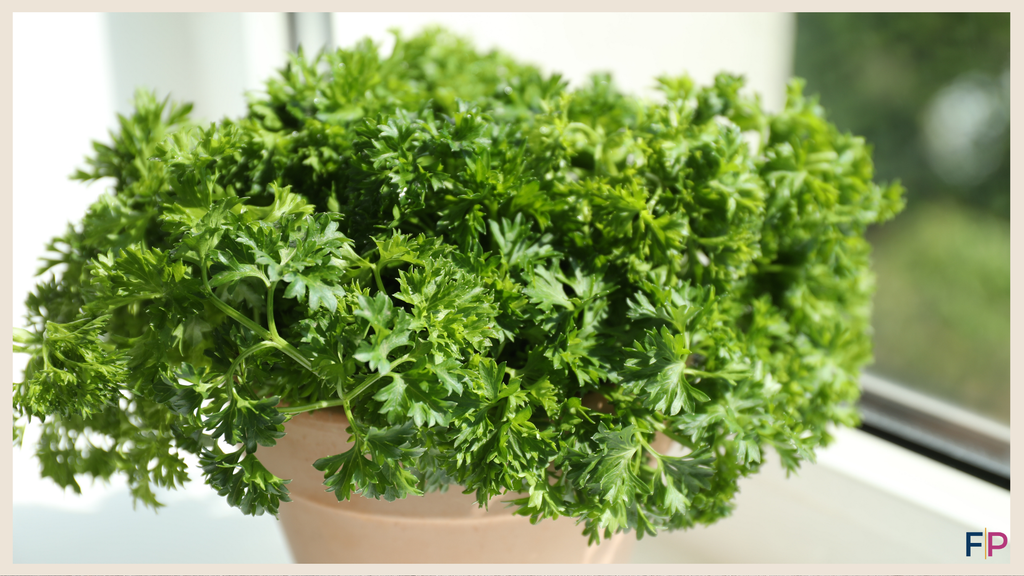
The best herbs to grow are the ones you already cook with. If you never use sage, a sage plant is just a decoration. Pay attention to what you toss into the cart every week and let that guide your list.
Easiest Herbs to Start With
Mint, chives, thyme, oregano, and parsley are forgiving and bounce back from mistakes. Mint can get by on less light than most herbs, which makes it a great pick for a so-so window. Give it its own pot, since it spreads fast and crowds out its neighbors.
Rosemary and sage like plenty of sun, so save your brightest spot for them. Both grow slowly, but one healthy plant will give you months of harvests. A single sprig of rosemary at the store costs more than you’d think for something that lives for years.
Give Basil Your Best Spot
Basil is the biggest money saver on this list, and it’s also the fussiest indoors. It wants lots of warmth and light, and it can turn leggy without enough of either. Put it in your sunniest window and add a grow light in winter.
If basil keeps struggling, don’t give up on the whole project. Start with the easier herbs and add basil once you’ve got a routine.
Herbs to Skip Indoors
Dill and fennel have large root systems, so they rarely do well in small pots. They’re better saved for a patio container or a garden bed. Put your limited window space toward herbs that thrive in tight quarters.
Seeds, Starter Plants, or Grocery Store Cuttings
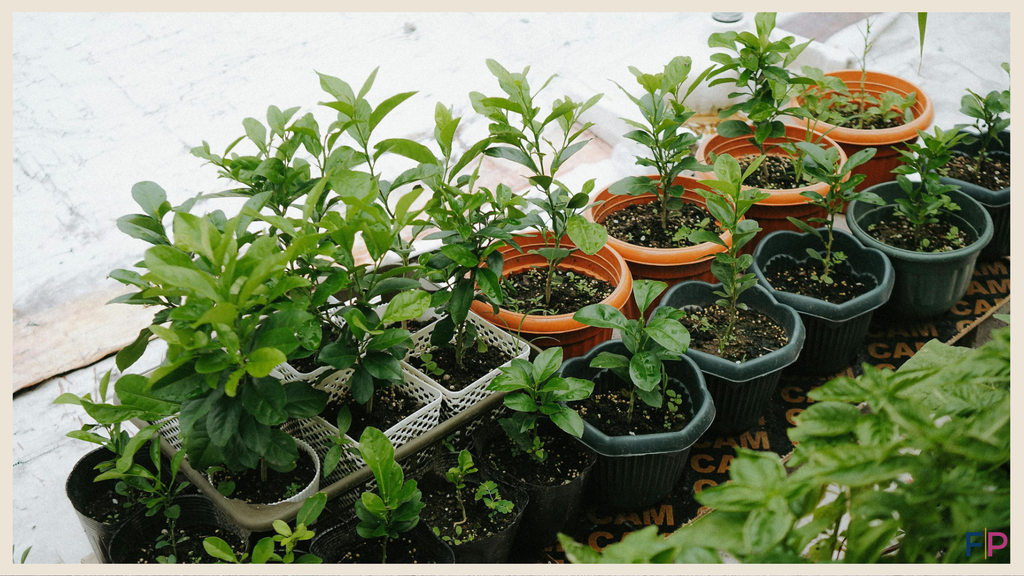
You have three budget-friendly ways to fill your windowsill, and you can mix them. Each one trades a little money for a little time.
Seeds
Seeds are the cheapest route. A packet usually costs a few dollars and holds far more seeds than one windowsill needs. The tradeoff is patience, since you’ll wait several weeks before your first real harvest.
Starter Plants
Small herb plants cost more up front, but you can start snipping within a week or two. They’re a good choice for slow growers like rosemary and sage. Check that the leaves look green and healthy and that there are no sticky spots or tiny webs on the stems.
Cuttings and Divisions
This is where the frugal tricks really start. Basil and mint stems from the grocery store will often grow roots if you put them in a glass of water on a sunny sill. Change the water every few days, and plant them in soil once the roots are an inch or two long.
Potted herbs from the grocery store are usually packed with far more seedlings than the pot can support. Gently split the clump into two or three sections and repot each one. One $3 plant becomes three.
A Simple Care Routine
Herbs don’t need much, but a few small habits make a big difference. Once you build them into your week, the whole thing takes about five minutes.
- Check the soil: Stick a finger in about an inch before you water.
- Pinch and harvest: Snip stems just above a pair of leaves so the plant branches out.
- Turn the pots: Rotate them every few days so all sides get light.
- Feed lightly: Use a diluted liquid fertilizer every few weeks while the plants are growing.
Harvest often, but take no more than about a third of the plant at one time. Regular trimming keeps basil and mint bushy instead of tall and thin. If basil starts to flower, pinch off the flower buds so the plant keeps making leaves.
Clever Tricks That Stretch Your Savings
Growing the herbs is half the savings. The other half comes from using every bit of what you grow and not letting anything go to waste.
Preserve the Extras
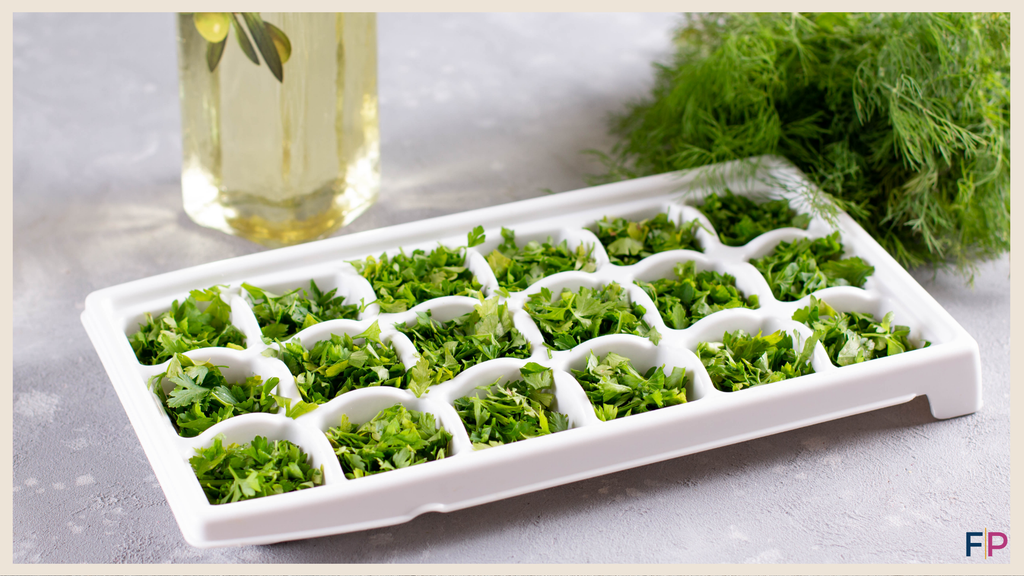
When a plant gets ahead of you, chop the leaves, pack them into an ice cube tray, and cover them with olive oil or water. Once frozen, pop the cubes into a freezer bag and drop one into soups, sauces, and sautés. Hardy herbs like thyme, oregano, and rosemary also dry well when hung upside down in a cool, dry spot.
Replant on a Schedule
Basil especially tends to slow down after a few months. Start a fresh pot every six to eight weeks so you always have a young plant coming up. A new packet of seeds costs less than a single clamshell at the store.
Share and Swap
If your mint or chives take off, divide them and trade with a friend or neighbor. You get a different herb for free, and they get a head start. Cuttings make a nice, nearly free gift.
Keeping Herbs Going Through Winter
Shorter days and low-angle sun make winter the hardest season for a windowsill garden. Your plants may slow down, and that’s normal. A grow light on a timer helps them keep producing, and it’s often the difference between fresh basil in January and an empty pot.
Keep leaves from touching cold glass, since chilly windowpanes can damage them on freezing nights. Water a little less often, because plants use less water when growth slows. When spring comes back around, you can move pots near the window again and watch them speed up.
Common Problems and Quick Fixes
Even easy plants run into trouble now and then. Most problems come back to light or water.
- Yellow leaves: Usually too much water. Let the soil dry out a bit more between waterings.
- Leggy, pale growth: Not enough light. Move the pot closer to the window or add a grow light.
- Tiny flies near the soil: Fungus gnats love constantly damp soil. Let the top layer dry out and they’ll fade.
- Webbing or speckled leaves: Spider mites can show up on indoor plants. Rinse the leaves and keep an eye on them.
If one plant fails, treat it as a small, cheap lesson. A new pot of seeds costs less than one grocery store herb pack.
Final Thoughts on Growing Herbs
The easiest way to see your windowsill paying off is to write it down. Each time you snip herbs you would otherwise have bought, jot down what that pack would have cost. After a few months, you’ll have a real number instead of a guess.
That grocery money doesn’t have to disappear into the general budget. Move it into a savings goal, a sinking fund, or your next debt payment so it keeps working for you. Small wins like this are what turn frugal habits into real progress.