

Things I’m Glad I Stopped Buying Before Retirement
The secret to financial freedom is knowing what truly matters. Once you sort that out, a surprising amount of spending stops feeling necessary.
Retirement makes this crystal clear. When your income is about to become fixed, every dollar that leaves your account has to earn its spot. The good news is that cutting the right things hurts far less than you’d expect.
Here’s what to stop buying before you retire, and why you probably won’t miss any of it.
Why Cutting Back Before Retirement Matters

A small monthly habit adds up to a big number when you have to fund it from savings. Say you spend an extra $100 a month on things you barely notice. That’s $1,200 a year, and using the common 4 percent withdrawal guideline, you’d need about $30,000 sitting in your retirement accounts just to cover it.
Flip that around and the math works in your favor. Every $100 a month you stop spending is $30,000 you don’t have to save, or $30,000 that can stretch your retirement further. That’s a pretty strong reason to take a hard look at your spending now, while you still have a paycheck to work with.
The goal isn’t to live on rice and beans. It’s to separate the spending that makes your life better from the spending that just happens out of habit.
Brand-New Cars
A new car loses a big chunk of its value the moment you drive it off the lot. Most vehicles drop roughly 20 percent in the first year, and the slide continues from there. You’re paying a premium for that new-car smell, and it disappears fast.
A reliable used car that’s a few years old gives you nearly the same transportation for thousands less. You also skip the higher insurance premiums and the longer, larger car loan that come with a new model.
If your current car runs well, the cheapest move is to keep driving it. Put the money you would have spent on car payments into a car sinking fund, so the next purchase comes from cash instead of debt.
Daily Coffee Shop Drinks

A $5 latte on the way to work feels harmless. Do it five days a week and you’re spending around $1,300 a year on drinks you could make at home for pennies.
You don’t have to give up the ritual. A decent coffee maker, a good bag of beans, and a favorite mug can give you the same cozy start to the day. Many people find the home version tastes just as good once they get used to it.
If you love an occasional coffee date with a friend, keep it. Treating it as an intentional outing instead of an automatic daily stop is what makes the difference.
Name-Brand Groceries and Household Staples
Store brands are usually made to the same standards as the name brands sitting next to them, and they often cost noticeably less. Pantry basics like flour, sugar, canned tomatoes, pasta, and trash bags are rarely worth the extra money.
You can test this without any risk. Swap one item at a time, and if your family truly can’t stand a particular store-brand product, switch back. Most of the time, nobody notices.
Grocery spending is one of the biggest flexible categories in a retirement budget, so small savings here repeat every single week. A few cents saved per item turns into real money by the end of the year.
Subscriptions You Forgot You Had

Small monthly charges are easy to ignore, which is exactly why they pile up. A streaming service here, an app there, and suddenly you’re paying for a dozen things you rarely use.
Grab your last two bank or credit card statements and look for recurring charges. Common culprits include:
- Streaming services: Keep one or two at a time and rotate them.
- Apps and software: Free trials that quietly turned into paid plans.
- Subscription boxes: Items you stopped enjoying months ago.
- Premium memberships: Perks you never actually use.
Cancel anything you haven’t touched in the past month. If you miss it, you can always sign up again, and you’ll often find a better deal when you do.
Extended Warranties and Add-On Protection Plans
Extended warranties are a high-profit product for the stores that sell them. The cashier makes it sound like a smart safety net, but most products work fine for the length of the standard manufacturer warranty, and many are covered by your credit card’s benefits too.
The math usually doesn’t favor you. If a $200 warranty covers an item that breaks only one time in ten, you’re paying a lot to insure a small risk.
A better approach is to set aside a little money in a repair or home maintenance fund. If something breaks, you pay for it from that fund. If nothing breaks, the money stays yours.
Gym Memberships You Barely Use

A gym membership only saves you money if you actually go. At $40 a month, that’s $480 a year, and plenty of people pay it for months without walking through the door.
Staying active matters even more as you get older, so don’t skip the exercise. Just find cheaper ways to do it. Walking, free workout videos, home equipment you already own, and community center classes can all keep you moving.
If you do love your gym, check whether your health insurance or Medicare Advantage plan includes a fitness benefit. Some plans offer free or discounted memberships, and many people never use them.
Trendy Clothes and Constant Wardrobe Refreshes
Trends change every season, and the clothing industry wants you to keep up. Retirement means fewer dress codes, fewer office outfits, and a lot more time in comfortable clothes.
Before you buy something new, look at what’s already hanging in your closet. Most of us wear a small portion of our wardrobe on repeat, which tells you how much of the rest was an impulse buy.
When you do need something, shop secondhand, check clearance racks, or wait for end-of-season sales. Quality basics in neutral colors last for years and mix with almost everything.
The Newest Gadget Every Year
Your phone from two years ago almost certainly still works. Each new model gets a slightly better camera and a bigger marketing push, but the everyday experience rarely changes enough to justify $1,000 or more.
The same goes for tablets, laptops, TVs, and smart-home gear. Use things until they stop doing the job you bought them for, then replace them with a solid mid-range or refurbished option.
If you need a new phone, look at last year’s model or certified refurbished versions. You’ll get nearly everything the latest release offers at a much lower price.
Spending to Keep Up With Everyone Else
Some of the most expensive purchases have nothing to do with what you need. A bigger house, a fancier car, an over-the-top party, or a lavish vacation can all be driven by what the neighbors, friends, or social media seem to expect.
Ask yourself who you’re buying it for. If the answer is “so other people will think I’m doing well,” that’s a sign to pause. Real wealth is the quiet kind, the money in your accounts and the freedom to say no.
Retirement is a great time to let go of that pressure. You’ve earned the right to spend on what makes your life better and ignore the rest.
Delivery Fees and Impulse Takeout
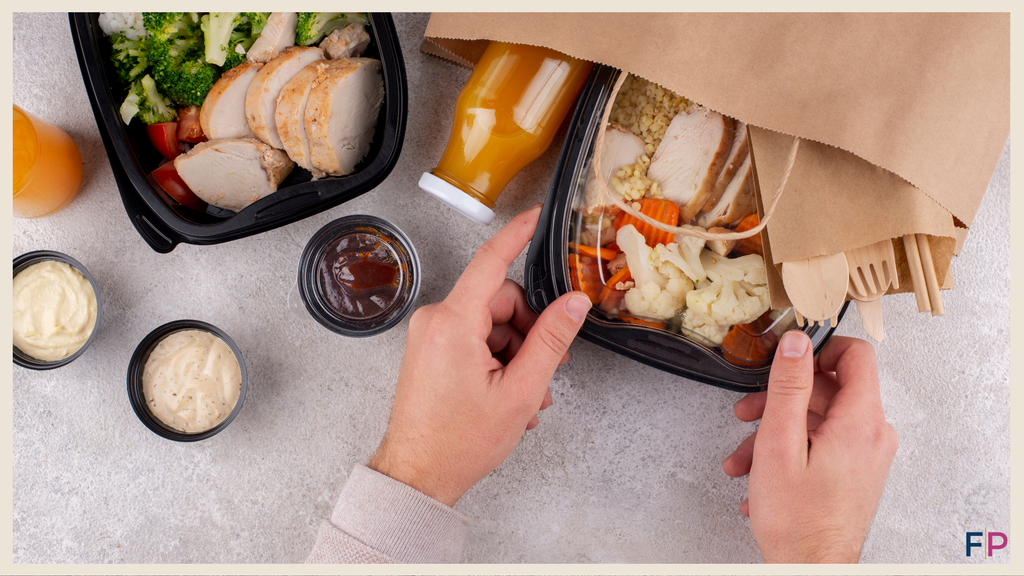
Takeout isn’t the enemy, but the extras add up quickly. Between delivery fees, service charges, menu markups, and tips, a $15 meal can easily become a $28 one.
The real budget buster is the unplanned order, the one that happens because you’re tired and nothing sounds good at 6 p.m. A few simple freezer meals and a stocked pantry take away most of that temptation.
If you still want a night off from cooking, pick up the order yourself instead of paying for delivery. Make it a planned treat once a week or so, and you’ll enjoy it more.
Bottled Water and Single-Use Convenience Items
Bottled water costs far more per gallon than what comes out of your tap. A refillable bottle and a basic water filter pitcher handle the same job for a tiny fraction of the price.
The same idea applies to paper plates, disposable cleaning wipes, and individually wrapped snacks. You’re paying extra for packaging and convenience that you can easily replace with reusable items and bulk buys.
These changes seem tiny, but they happen every day. A few dollars a week adds up to hundreds over a year, with almost no sacrifice.
Where the Money Goes Instead
Cutting spending only works if the money has somewhere better to go. Once you’ve trimmed the extras, point those dollars at things that make retirement more secure.
- Retirement accounts: If you’re 50 or older, you can make catch-up contributions to a 401(k) or IRA.
- Emergency fund: Aim for enough to cover several months of essential expenses.
- Debt payoff: Entering retirement with fewer monthly payments makes a smaller income go further.
- Sinking funds: Save a little each month for car repairs, medical costs, and home maintenance.
Automate as much of this as you can. When the money moves on payday, you never get the chance to spend it.
Final Thoughts on Pre-Retirement Changes
None of these cuts are about deprivation. They’re about noticing which purchases add real value to your life and which ones were just habit, pressure, or marketing.
Most people find that once the extras are gone, they barely feel the difference. What they do feel is the relief of having more breathing room and a retirement that doesn’t depend on every dollar stretching a little further.