

25 Tiny Habits That Save Me $200 a Month
Small changes to your daily routine can do more for your budget than you’d expect. None of the habits on this list require a big lifestyle overhaul, a spreadsheet obsession, or giving up anything you actually love. They’re the kind of quiet, low-effort tweaks that just start working in the background while you go about your life.
When you stack enough of them together, the savings add up fast. We’re talking a realistic $200 or more each month, which comes out to $2,400 a year sitting in your account instead of leaking out through a hundred tiny holes. Here are 25 habits worth stealing.
Food and Coffee Habits
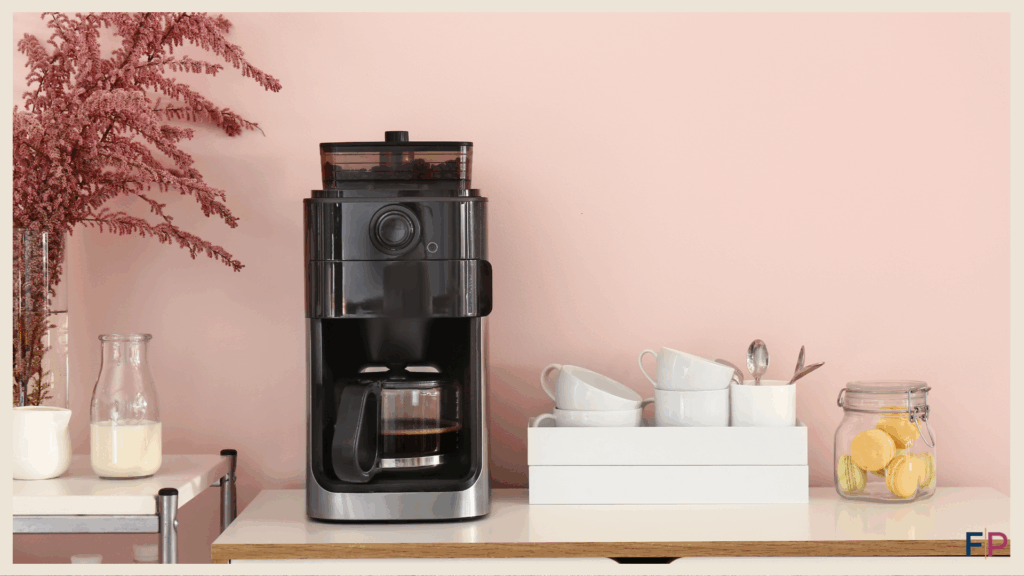
1. Make Coffee at Home on Weekdays
A daily latte habit can run $5 to $7 a pop, which adds up to well over $100 a month before you’ve blinked. Switching to home coffee on weekdays and treating a coffee shop run as a once-a-week thing keeps the joy alive without the constant drain.
2. Pack Lunch Three Days a Week
You don’t have to bring lunch every single day to make a dent. Packing three days a week and filling in with leftovers on a fourth cuts your midday spending significantly without making lunch feel like a chore.
3. Build a Weekly Meal Plan Before You Shop
Wandering the grocery store without a plan is one of the most expensive things you can do. A simple weekly meal plan, even a rough one scratched out on a notepad, means you only buy what you’ll actually cook and use.
4. Switch to Bulk Snacks and Reusable Containers
Individual snack packs and juice boxes are wildly marked up for the convenience of portion control. Buying bulk bags and portioning into reusable containers yourself costs a fraction of the price for work bags, school lunches, and road trips.
5. Commit to One No-Takeout Weeknight
Pick one weeknight each week where dinner always comes from what’s already in your fridge or freezer. It clears out food that might otherwise get tossed and saves the cost of at least one takeout order every single week.
Grocery and Kitchen Tweaks
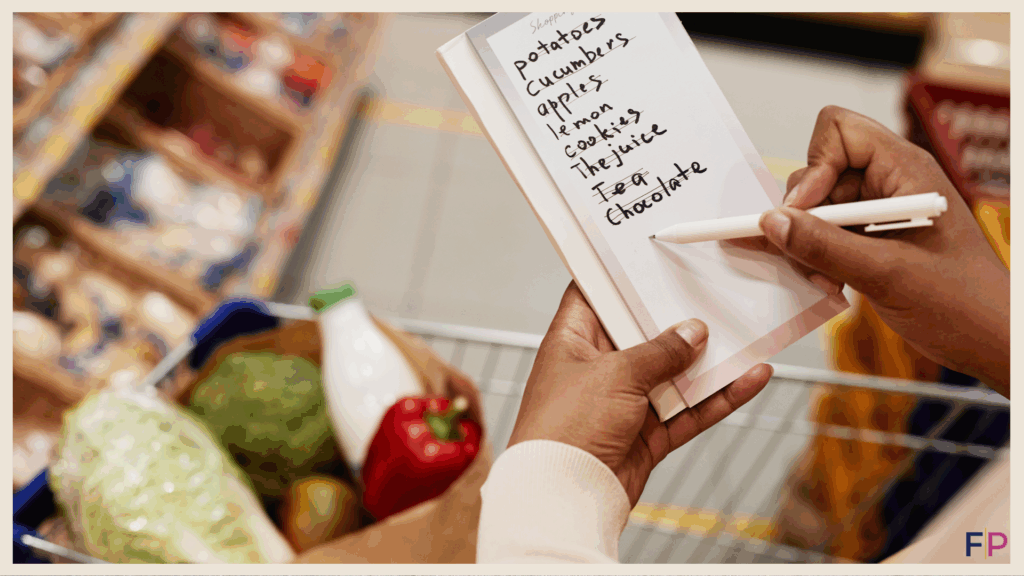
6. Always Shop With a List
A grocery list based on your meal plan is the simplest way to stop impulse buying before it starts. If you want to take it a step further, use store pickup or curbside delivery so you never even set foot near the snack aisle.
7. Default to Store-Brand Basics
For staples like milk, butter, canned tomatoes, pasta, and paper products, the store brand is almost always just as good and noticeably cheaper. The only exception is when a name-brand item is on a genuine sale that brings it below the store-brand price.
8. Do a Weekly Fridge Clean-Out Meal
Once a week, make a meal out of whatever’s left in the fridge before it goes bad. Eggs, vegetables, leftover grains, and odds and ends can become a solid stir-fry, soup, or sheet pan dinner with almost no effort.
9. Swap Bottled Water for a Filter Pitcher
Bottled water is expensive, wasteful, and mostly unnecessary. A basic filter pitcher handles taste issues with tap water for a one-time cost that pays for itself within the first month.
10. Bake One Snack at Home Each Week
A batch of muffins, granola bars, or cookies costs a dollar or two to make and replaces packaged snacks that run three to five times as much. One baking session a week is easy to build into a Sunday routine and keeps the pantry stocked with something genuinely good.
Subscription and Spending Pauses

11. Do a Monthly Subscription Audit
Once a month, scroll through your bank and credit card statements specifically looking for subscriptions and memberships. It’s surprisingly common to find services you forgot about, free trials that converted without notice, or apps you haven’t opened in months.
12. Use a 24 to 48 Hour Rule for Non-Urgent Purchases
Before buying anything non-urgent over $25 or $50, give yourself a day or two. Most impulse wants quietly fade on their own, and if something still sounds like a good idea two days later, it probably is.
13. Keep a Running Wish List in Your Phone
Instead of browsing online when you’re bored, add items to a list and revisit it once a month. You’ll often find that half the things you added no longer seem necessary, which is the whole point.
14. Use Curbside Pickup for Target and Mall Trips
Turning in-store errands into curbside pickup orders is one of the easiest ways to stop spending beyond your list. When you can’t browse, you only get what you went for.
15. Rotate Your Streaming Services
There’s no rule that says you have to keep all your subscriptions running at the same time. Keeping one or two active and pausing the rest until there’s something specific you want to watch cuts the bill without actually missing much.
Utilities, Home, and Car
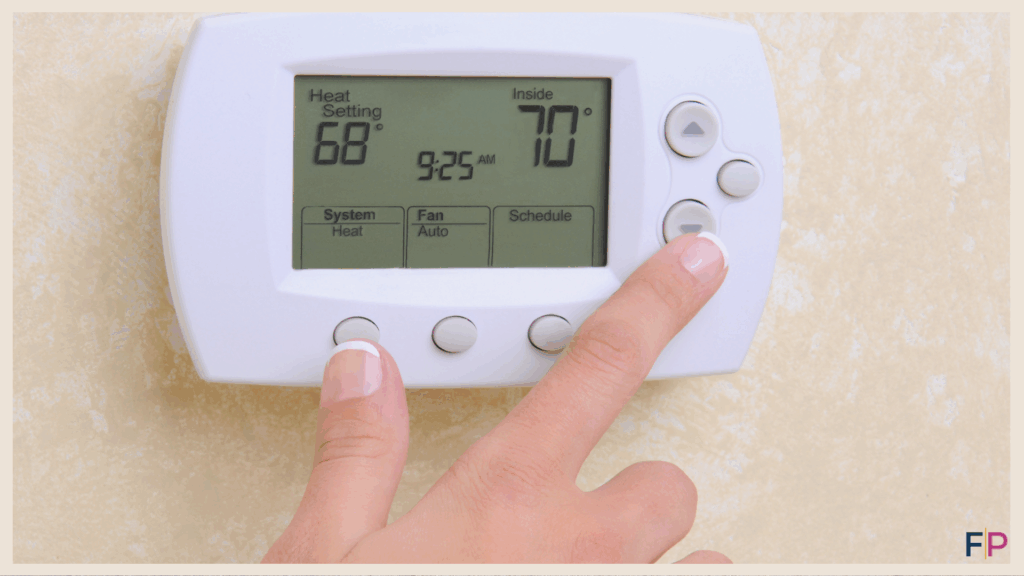
16. Turn Off Lights and Unplug Energy Vampires
Getting in the habit of flipping lights off when you leave a room and unplugging chargers and game consoles overnight adds up on your electric bill over time. It sounds minor until you see the difference over a few billing cycles.
17. Wash in Cold and Hang-Dry When You Can
Running laundry in cold water uses significantly less energy than hot, and hang-drying even a portion of your clothes reduces dryer time. Both habits together make a quiet but consistent dent in monthly utility costs.
18. Do One Small Maintenance Task Each Weekend
Checking tire pressure, replacing air filters, and cleaning out the dryer lint trap thoroughly are all five-minute tasks that prevent expensive repairs down the road. A little prevention now beats a big bill later every time.
19. Use a Programmable Thermostat
Nudging your thermostat a few degrees while you’re sleeping or away from home is one of the most hands-off ways to lower your heating and cooling bills. If you have a smart thermostat, you can set it and forget it entirely.
20. Keep a “Leftover Shelf” in Your Fridge
Designating a specific shelf for leftovers and nearly-done produce makes it easy for everyone in the house to see and use food before something new gets opened. Less food waste means you’re actually eating what you paid for.
Banking, Cash, and Mindset

21. Automate a Small Transfer to Savings on Payday
Setting up an automatic transfer of even $25 to $50 from checking to savings the day after you get paid means the money is out of sight before you have a chance to spend it. It’s the simplest savings habit there is, and it works.
22. Keep a Separate Account as a Bill Buffer
Moving your fixed monthly bills (utilities, rent, subscriptions) into a dedicated checking account means you never accidentally spend money that’s earmarked. What’s left in your main account is genuinely yours to use.
23. Track Every Purchase for One Week Each Month
You don’t need to track your spending obsessively, but one focused week per month reveals patterns that are easy to miss otherwise. Common culprits include snack runs, random Amazon add-ons, and app purchases that slip through unnoticed.
24. Follow a One-In, One-Out Rule for Clothes
For every new piece of clothing or pair of shoes that comes into your closet, one item goes out. It slows down casual shopping and keeps you thinking about whether you actually need something or just want it in the moment.
25. Throw Every $5 Bill (or All Your Change) Into a Jar
This one sounds too simple to matter, but cash tucked into a jar adds up faster than you’d think. Cashing it out once or twice a year gives you a ready-made deposit for savings or a sinking fund without feeling like you sacrificed anything.
Final Thoughts on Tiny Habits
The reason tiny habits stick when big financial overhauls don’t is that they don’t ask much of you. There’s no willpower required, no dramatic cutting, and no feeling of deprivation. You just quietly shift a few defaults and let the savings stack up in the background. Start with three or four from this list that feel easy, and add more as they become automatic.